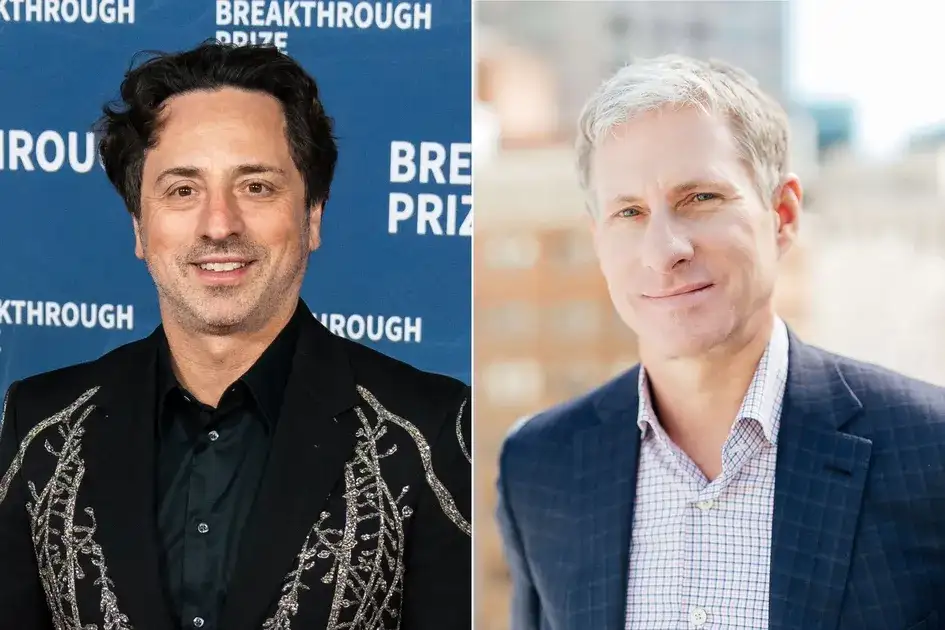
The landscape of California politics is undergoing a seismic shift, marked by an unprecedented influx of cash from tech billionaires and industry titans. These influential figures are deploying tens of millions of dollars across various races, leveraging political action committees (PACs) and Super PACs to shape legislative outcomes and promote business-friendly agendas.
This surge in financial engagement represents a significant escalation from previous years, transforming California into a central battleground for Silicon Valley's political aspirations. The strategy appears to be multi-pronged, with funding spread across a spectrum of candidates and causes, rather than concentrating solely on one or two frontrunners.

Billionaire Backing and PAC Proliferation
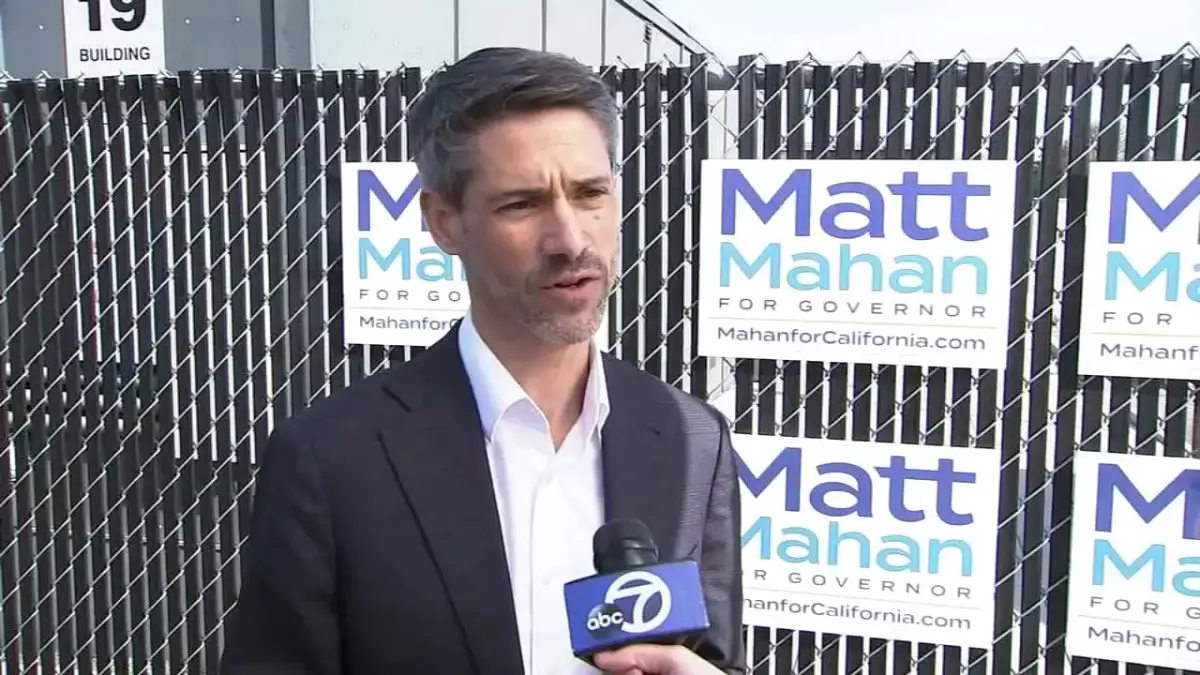
Notable figures such as Peter Thiel, a co-founder of Palantir, are linked to substantial donations supporting candidates like Matt Mahan, the San Jose Mayor vying for the governorship. Thiel-associated donors, including Lonsdale who later founded the Cicero Institute, a conservative policy think tank, are actively contributing. Mahan's campaign filings reveal a complex network of tech mogul support.
Read More: Taiwan Holds Nantou County Drills to Prepare for State Collapse
Beyond individual candidate endorsements, political action committees are becoming the primary conduits for this new wave of tech money. Groups like 'Deliver for California' and 'Grow California' have emerged, injecting hundreds of thousands of dollars into state legislative primaries. This phenomenon is not confined to California, with similar patterns of deep-pocketed executives wielding influence observed nationwide.
Campaign Finances and Candidate Spending
The gubernatorial race itself highlights the scale of financial investment. Tom Steyer has reportedly poured $132 million of his own funds into his campaign, yet remains statistically tied in polls. Matt Mahan has also raised significant sums, positioning himself as a major contender.
However, this financial maneuvering has not gone unnoticed by opponents. Some critics suggest that candidates receiving substantial tech funding, like Mahan, may be unduly influenced by the industry's interests. This raises questions about the independence of elected officials and the potential for corporate agendas to override public good.
Read More: University of La Verne 2026 admissions and rankings update
The "Mogul Midterms" and Lobbying Efforts
The current electoral cycle is being colloquially dubbed the "Mogul Midterms," reflecting the outsized role of tech magnates. Beyond direct campaign contributions, significant amounts are also being spent on lobbying efforts, further amplifying the tech industry's voice in Sacramento. Rob Lapsley, president of the California Business Roundtable, has commented on the unprecedented level of political participation from tech leaders.
While some lawmakers, like State Senator Scott Wiener, have a history of scrutinizing the tech industry, particularly concerning AI regulations, they are still perceived as more amenable to tech interests than their counterparts. This indicates a strategic approach by the tech sector to cultivate allies and influence policy, even among those who have previously expressed reservations.
Broader Influence and Redistricting
The influence of Silicon Valley's deep pockets extends beyond candidate races. Tech donors have also been instrumental in shaping political outcomes related to redistricting. The increasing flow of tech money into politics is a trend that critics view as a means for wealthy donors to tilt the political playing field in their favor. California, with its substantial number of congressional seats, represents a significant prize in this ongoing effort.
Read More: FBI Analysts Review Georgia 2020 Election Data in Fulton County