


Key Developments Emerge Amidst Political Uncertainty
The Communist Party of India (Marxist) [CPI(M)], alongside the Communist Party of India (CPI) and the Viduthalai Chiruthaigal Katchi (VCK), extended support to the Tamilaga Vetri Kazhagam (TVK)-led government in Tamil Nadu. This move, according to P. Shanmugam, Tamil Nadu State Secretary of CPI(M), was primarily to prevent the imposition of President’s Rule. The election results produced a fractured verdict, leaving no single major political formation with sufficient seats to form a government independently.
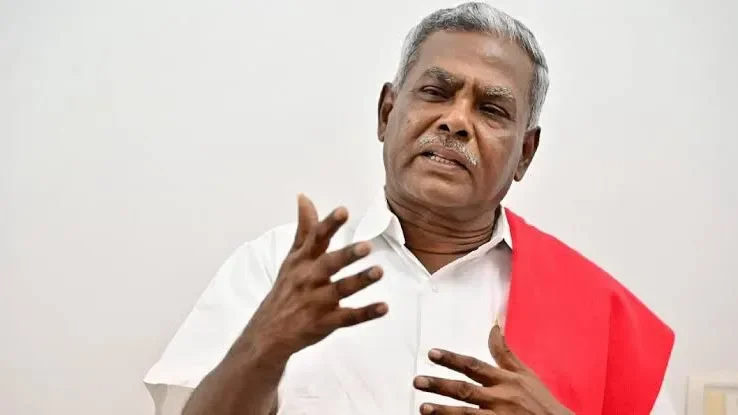
The CPI(M)'s decision to back the TVK was a strategic manoeuvre to forestall a scenario where the Centre could potentially impose President's Rule, thereby enabling the Bharatiya Janata Party (BJP) to exert influence indirectly.
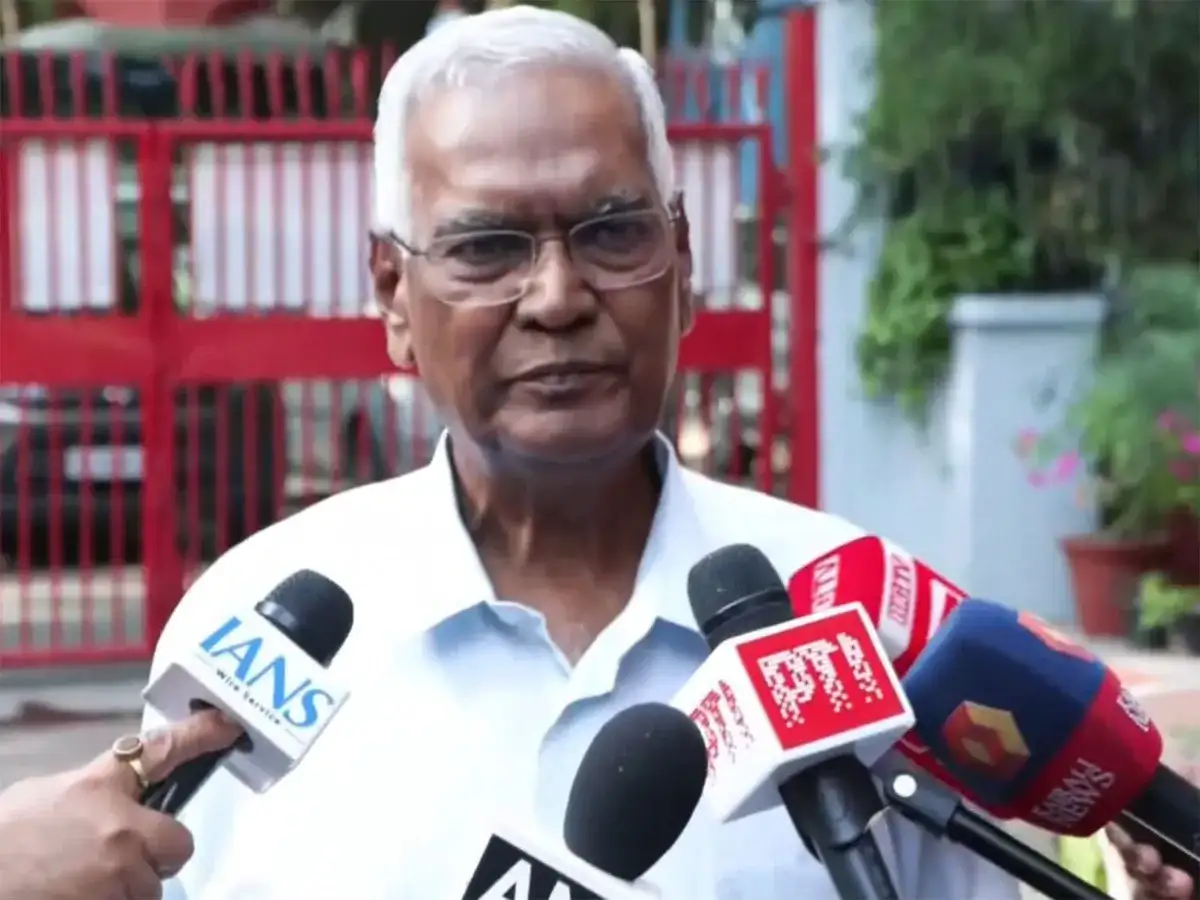
Shanmugam articulated that the lack of a clear majority for any front necessitated this alignment. He also voiced criticism regarding the Centre's handling of fuel prices, stating that the recent increases were unjustifiable, particularly in light of the failure to reduce prices when crude oil costs previously fell.
Read More: Taiwan Holds Nantou County Drills to Prepare for State Collapse

Details of the Political Alliance
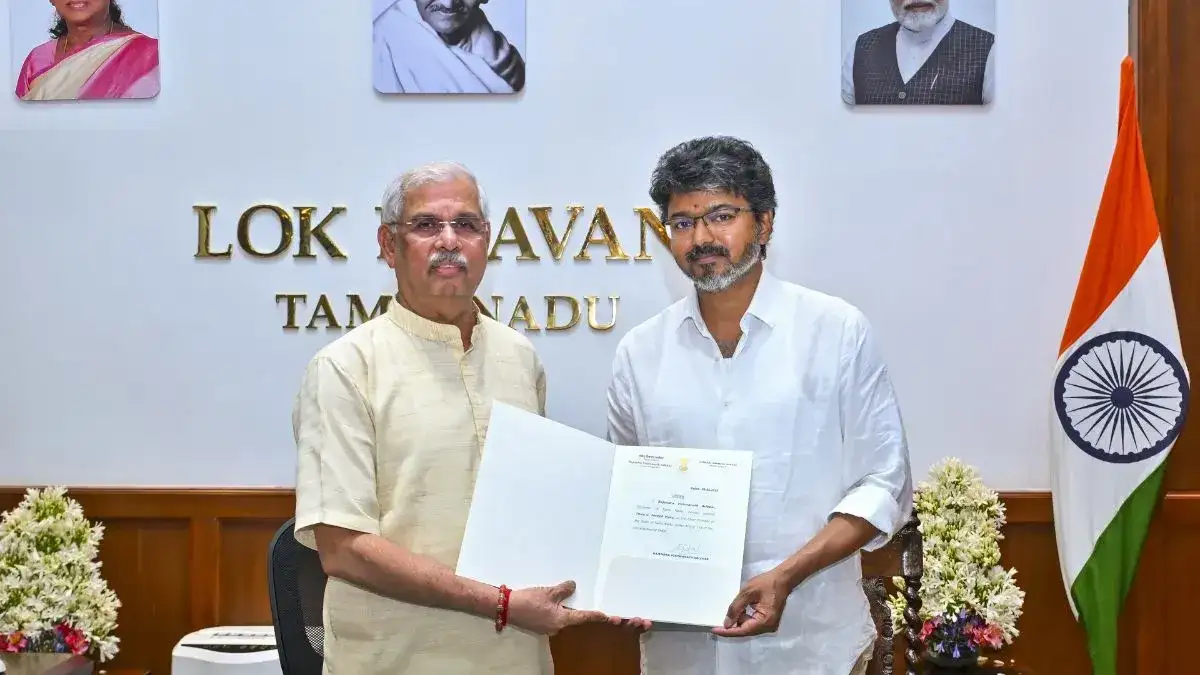
The CPI, CPI(M), and VCK each hold two MLAs. Their collective support was deemed crucial for TVK, which, despite winning its inaugural Assembly election, fell short of the required majority. Sources indicate that Vijay-led TVK reached out to these parties, all previously allied with the Dravida Munnetra Kazhagam (DMK), to secure the numbers needed. The unconditional support from the Left parties was seen as a significant boost, bringing TVK closer to the threshold for a simple majority.
Background: A Hung Assembly and Shifting Alliances
The election outcome in Tamil Nadu resulted in a hung Assembly, where neither the DMK nor the All India Anna Dravida Munnetra Kazhagam (AIADMK) secured enough seats to form a government on their own. In this context, TVK emerged as a pivotal force. The intervention of the Left parties and VCK appears to have been a decisive factor in navigating the post-election political landscape, steering the state away from direct central intervention. This move, framed as respecting the people's mandate, also carried an underlying sentiment of opposing what was described as a potential "backdoor rule" by the BJP.
Read More: Kanyakumari Atomic Mining Permit Extended for 1144 Hectares in 2026







