


The burgeoning bloc of BRICS, now incorporating new members, is confronting inherent complexities and differing priorities, a reality acknowledged by Brazil's Foreign Minister Mauro Vieira. This expansion, while signaling a shift towards a more multipolar global order, brings forth a tapestry of distinct national interests that will necessitate considerable time for harmonization. The grouping, originally conceived as a forum for emerging economies to champion mutual economic development and a more decentralized world system, is now grappling with the practicalities of integrating diverse agendas.

The fundamental nature of BRICS, characterized as a confluence of strategic interests rather than a bloc bound by rigid security arrangements or treaties, inherently invites divergence. This reality is becoming increasingly pronounced as the grouping navigates global geopolitical currents, including economic sanctions, trade disruptions, and the pressing issues of energy security. The inclusion of newer member states, each with their own distinct priorities, means that integration and the alignment of these varied interests will not be an immediate or straightforward process.
Read More: US and Nigeria kill ISIS leader Abu-Bilal al-Minuki near Lake Chad

Navigating a Shifting Global Landscape
BRICS, originally a coalition of five major emerging economies – Brazil, Russia, India, China, and South Africa – has evolved significantly. The bloc now represents a substantial portion of the global population, accounting for approximately 41% of the world's inhabitants, 25% of global GDP, and 16% of world trade. Its growing influence is further underscored by a combined foreign reserve of roughly US$4 trillion. This economic heft positions BRICS as a major player in commodities trading, bolstered by a significant consumer base and labor force.
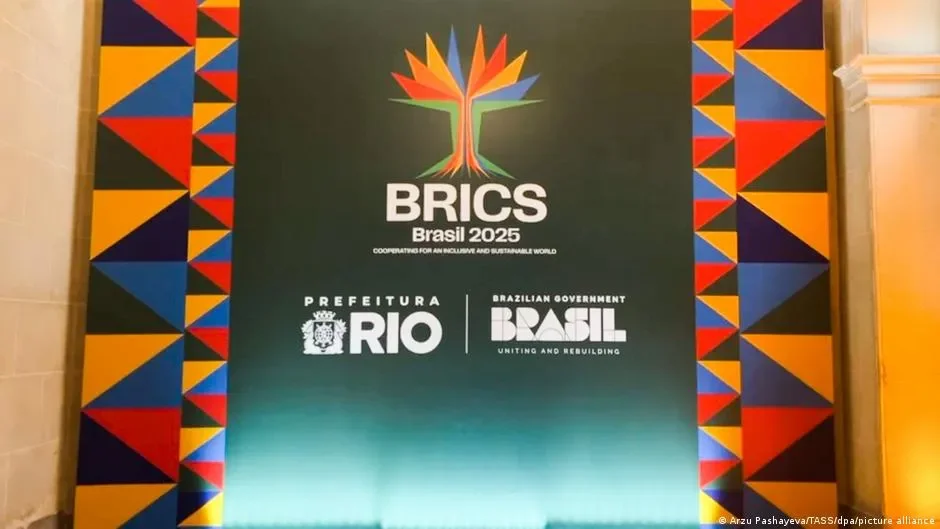
The bloc's expansion also heralds new avenues for multilateralism, even amidst coherence hurdles. BRICS nations are actively pursuing ambitious infrastructure projects, aiming to reshape trade routes and supply chains. Simultaneously, concerns surrounding data sovereignty, cyber threats, and the dominance of Western technological advancements are driving the formation of new alliances within the bloc to address these critical areas. The stated aim of these initiatives often includes mitigating the impact of Western-led economic sanctions and protectionist policies.
Read More: India and Netherlands Start Strategic Partnership on 17 May 2026
The Ambiguity of Strategic Alignment
While BRICS has traditionally been viewed as a platform for discussing global governance and development finance, its role has become more nuanced. The grouping is now under pressure to balance its expanding ambitions with the need to manage internal differences. This is particularly relevant as some member nations, notably Brazil and India, representing the bloc's largest democracies, aim to maintain BRICS as a forum for discourse on global governance while simultaneously expressing reservations about overtly confronting Western powers.
This delicate balancing act is further complicated by the economic realities faced by many BRICS+ members, a significant number of whom rely on bilateral trade with the United States. The question of whether BRICS can offer a viable alternative, such as a common currency to rival the dollar, remains a subject of ongoing debate. Despite these complexities, most, if not all, BRICS+ members perceive value in participating in the global governance framework, even as they offer critiques of its current structure. The effectiveness of BRICS' financial institutions, such as the New Development Bank and the Contingent Reserve Arrangement, continues to be a point of discussion.
Read More: Search for 4 Italian divers continues in Maldives Vaavu Atoll today


