An artifact, identified as a Buddha sculpture, has surfaced in Umbalacheri village, within the Vedaranyam area of Tamil Nadu. The discovery was made by a group comprising archaeology students and a researcher. Initial assessments place the find within the 13th-century later Chola period. The weathered stone figure, carved from brown-hued rock, measures 46 cm in height and 34 cm in width. It depicts the Buddha in a meditative stance, distinguished by elongated ears and a halo.

The artifact was located on a small raised area to the west of the Pidari temple, adjacent to the Umbalacheri panchayat road. Officials from the Tamil Nadu Archaeology Department have examined the site. One official, K. Vasanthakumar, noted that the Nagapattinam region exhibits numerous indications of Buddhist presence, with historical Buddhist monastic establishments known to have existed in Poompuhar and Nagapattinam.
Read More: 5,900-Year-Old Child Skull Found in Norway Cave
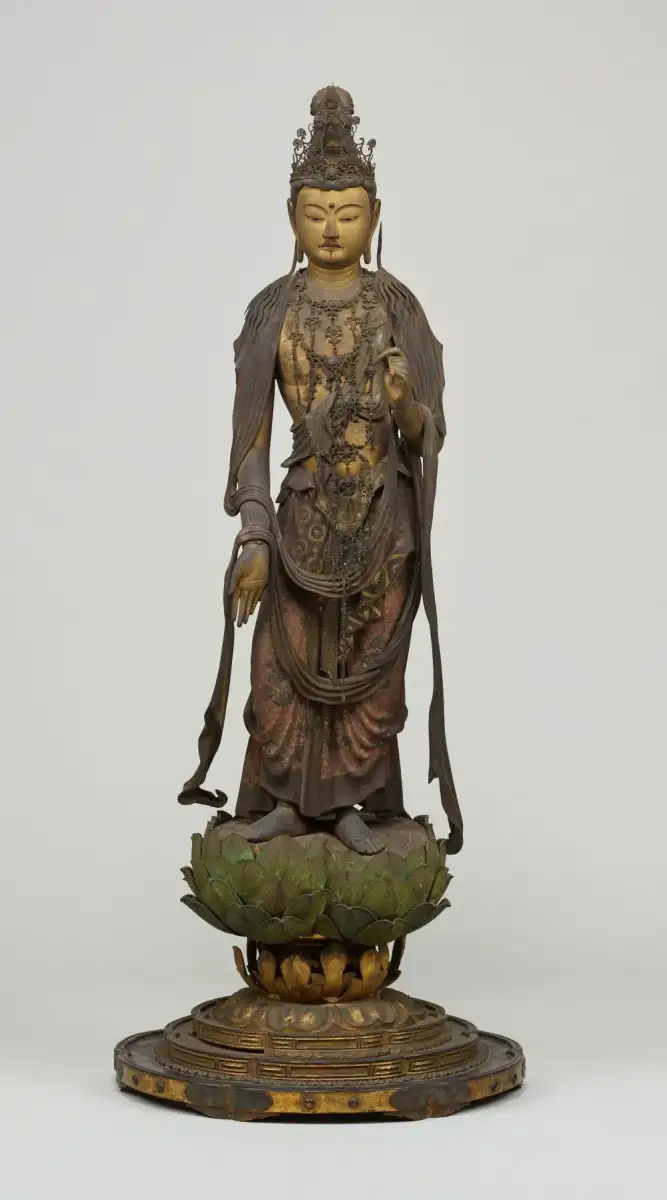
This find adds to a known constellation of Buddhist relics in the district. Other recorded Buddha statues in the vicinity include:
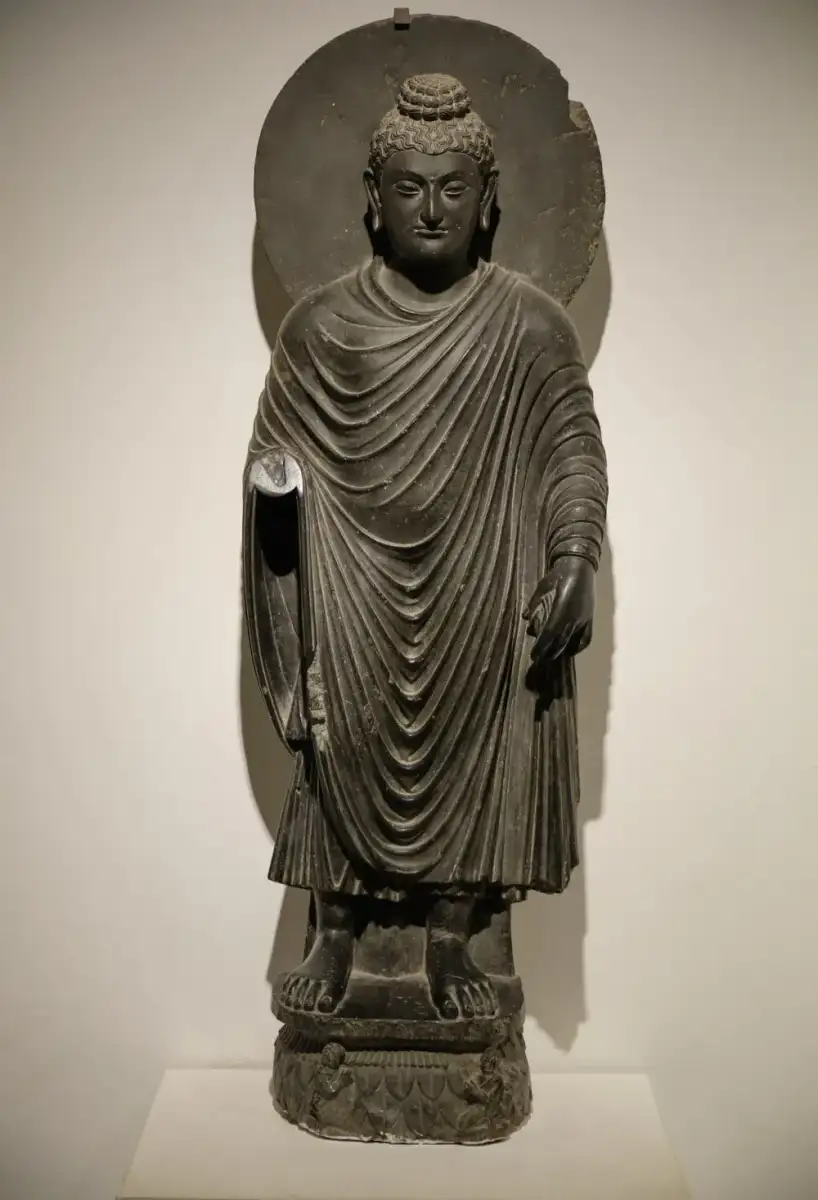
A 4.5-foot standing Buddha at Pushpavanam, Vedaranyam.
A 4.5-foot statue at Budhamangalam, Kilvelur.
A five-foot sculpture, lacking its head, at Keeranthi, Keezhaiyur.
A statue from Velankanni, now housed at the Nagapattinam Museum.
The recent discovery at Umbalacheri was noted by Birla Thangadurai, State Deputy President of the Buddhist Society of India. He emphasized that such artifacts often remain largely unknown to the public. The team involved in documenting the recent find included Ramachandran, Deputy Collector and founder of Keezhathanjai Mandram, alongside history enthusiasts Tamilmurasu, Pradeeban, and Saravanan, and temple administrator Deenadayalan.
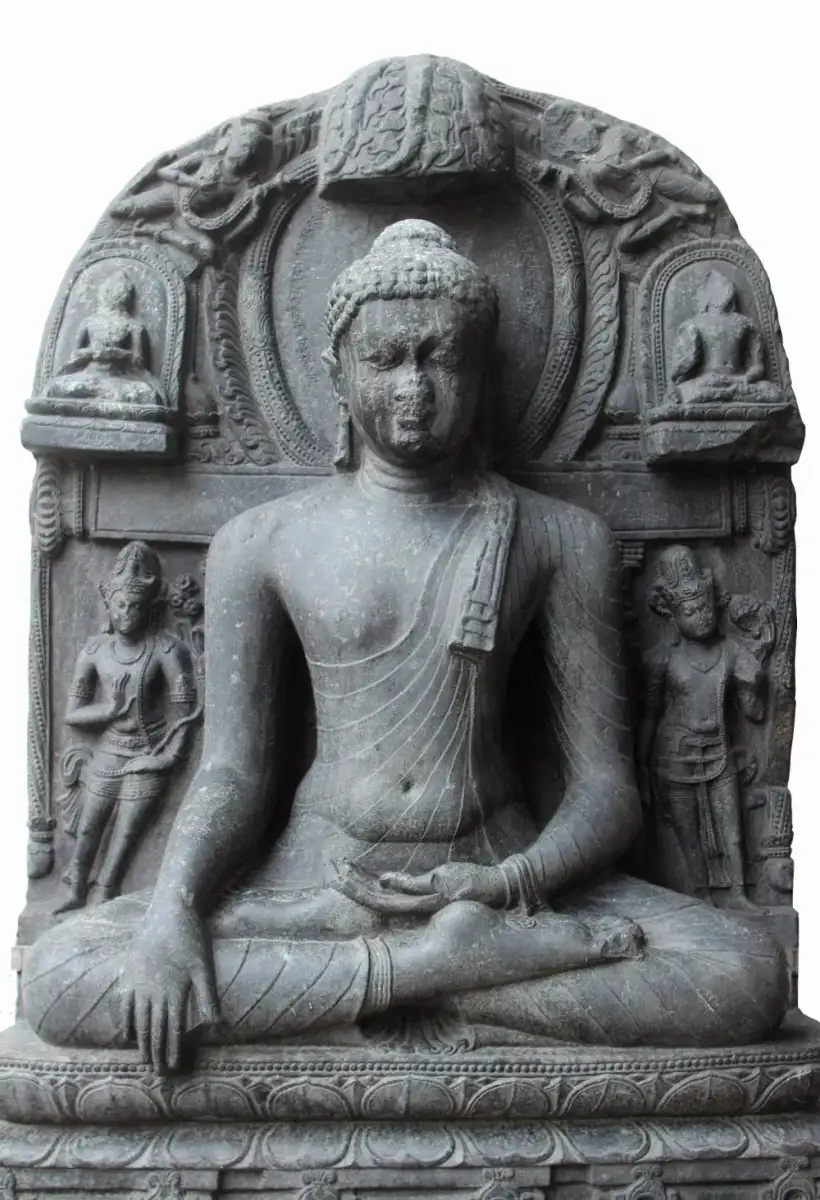
The presence of Buddhist sites in the Nagapattinam district points to a historical engagement with the religion in the region. Sculptures like the one recently found are part of a broader tradition of Buddhist art that has evolved over centuries, encompassing various depictions and gestures, such as the meditative posture or the gesture of touching the earth (Bhumisparsha). Historical periods like the Chola era, and even earlier, saw significant patronage and development of Buddhist art and philosophy across India, with notable centers in places like Sarnath, Bodh Gaya, and regions within Arunachal Pradesh, Ladakh, and Sikkim.
Read More: Kanyakumari Atomic Mining Permit Extended for 1144 Hectares in 2026