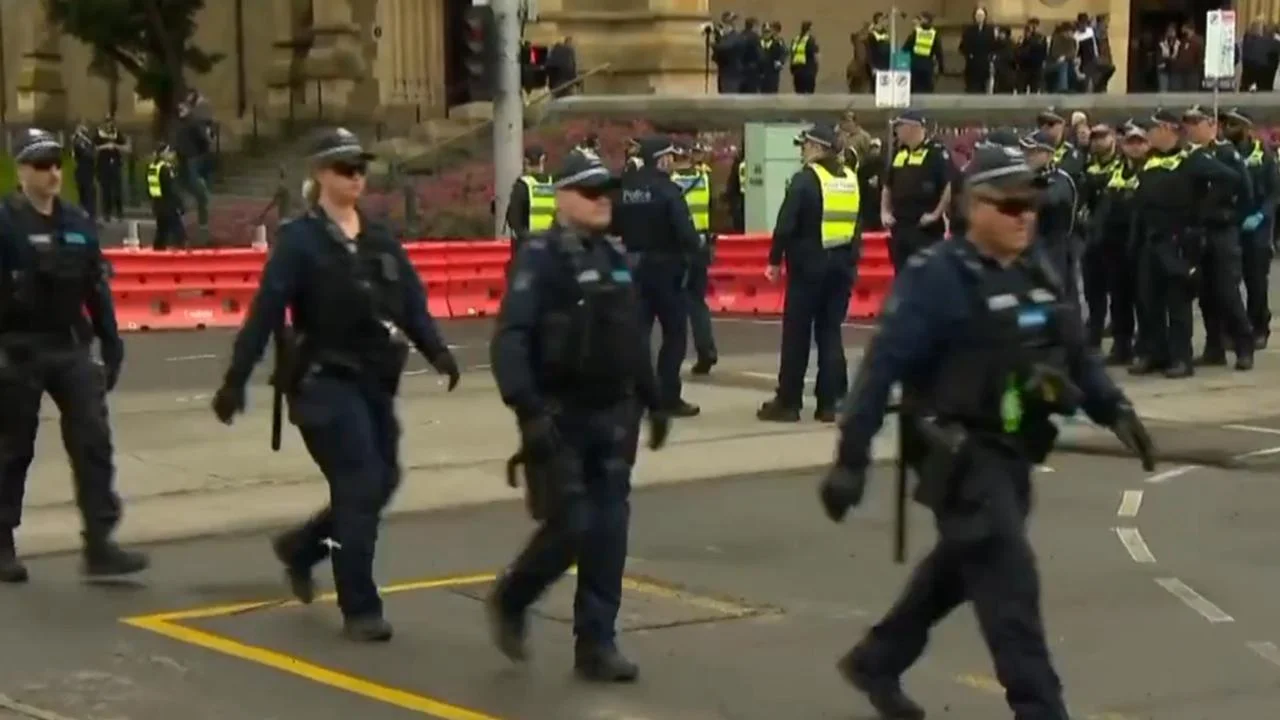
Sydney, Australia – February 8, 2026 – A tense standoff is brewing on the streets of Sydney as Palestine Action Group prepares to legally challenge New South Wales (NSW) Police over their handling of a planned protest against Israeli President Isaac Herzog's visit. Police have imposed significant restrictions, including widespread search and exclusion zones, sparking concerns about freedom of assembly and the potential for stifled dissent.
"He has imposed sweeping search, exclusion and conduct restrictions across our city in an attempt to shut down dissent," stated Josh Lees of the Palestine Action Group, directly challenging the police's broad powers.
With President Herzog's visit coinciding with a period of heightened public sensitivity following a significant terrorism event, authorities are emphasizing security. NSW Police's acting assistant commissioner, Paul Dunstan, announced the deployment of over 3,000 officers across Sydney. This massive police presence is intended to manage potential disruptions and ensure the safety of both the visiting dignitary and the public. However, the scale of these measures has amplified the concerns of protest organizers, who view them as an overreach that curtails their right to express opposition.
Read More: Protests in Melbourne During Israeli President's Visit
The Tightening Grip: Special Powers and Public Space
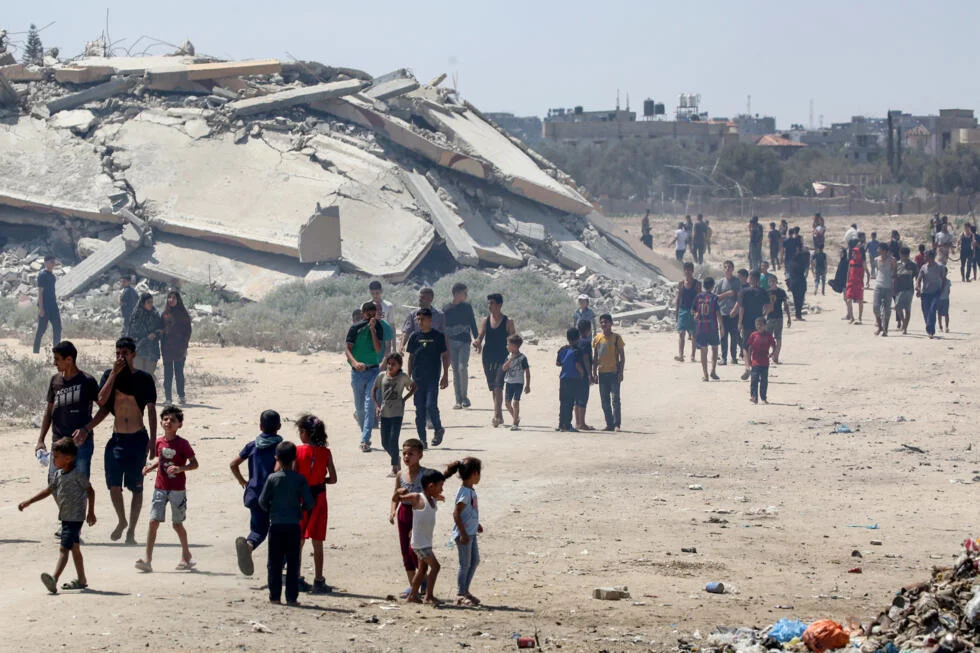
The core of the dispute lies in NSW Police's invocation of what Palestine Action Group describes as "special powers" ahead of President Herzog's visit. These powers appear to grant authorities extensive control over public spaces in the CBD, including the imposition of search powers, exclusion zones, and conduct restrictions.
Search powers: Allowing police to search individuals and their belongings without a specific warrant, potentially impacting a wide range of people in designated areas.
Exclusion zones: Preventing individuals or groups from entering specific areas, effectively barring them from protest locations or key public spaces.
Conduct restrictions: Limiting the types of activities or expressions permitted, potentially curtailing forms of protest.
"We are trying to ensure that those who are in the city, who are mourning after the worst terrorism event in the country’s history won’t be subject to a confrontation on city streets," explained Acting Assistant Commissioner Paul Dunstan, framing the police's actions as a necessary measure for public order and sensitivity.
Read More: People Talk About Keir Starmer's Job as Labour Leader
The Palestine Action Group, however, sees these measures as a deliberate attempt to suppress legitimate political expression. Their planned march through Sydney's CBD is now caught in this web of restrictions, with authorities urging protesters to take an alternate route. The group's decision to pursue a court challenge signals a determination to push back against what they perceive as an infringement on democratic rights, setting the stage for a significant legal battle over the balance between security and freedom of speech.
Echoes from Abroad: Protests and Police Responses in Israel
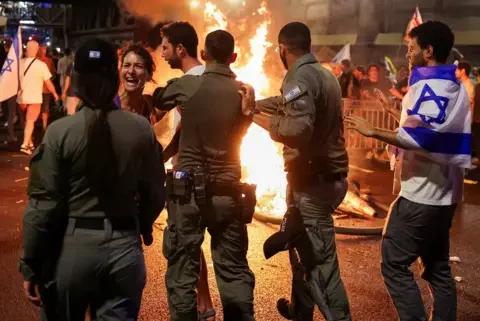
The situation in Sydney is not unfolding in a vacuum. Reports from Israel reveal a consistent pattern of large-scale protests and significant police involvement, particularly in response to the ongoing conflict in Gaza and the demand for the release of hostages. Understanding these past incidents provides crucial context for the current tensions in Sydney.
Read More: Many Protests Happen in Australian Cities
Mass Rallies for Hostage Release: Since the Hamas attack on October 7, 2023, Israel has witnessed numerous massive demonstrations, with organizers claiming attendance in the hundreds of thousands. These rallies, often centered in Tel Aviv, have primarily focused on demanding the release of hostages held in Gaza and calling for a ceasefire or a deal to end the conflict.
September 8, 2024: Organizers claimed the largest-ever rally in Tel Aviv, estimating 500,000 participants, alongside 250,000 at other rallies nationwide, all pushing for a hostage deal. (Source: Times of Israel)
August 17, 2025: Protests across Israel, particularly in Tel Aviv, called for an end to the Gaza war and a hostage deal. Estimates suggested nearly 500,000 people participated in a major strike and rally. (Source: CNN, France24)
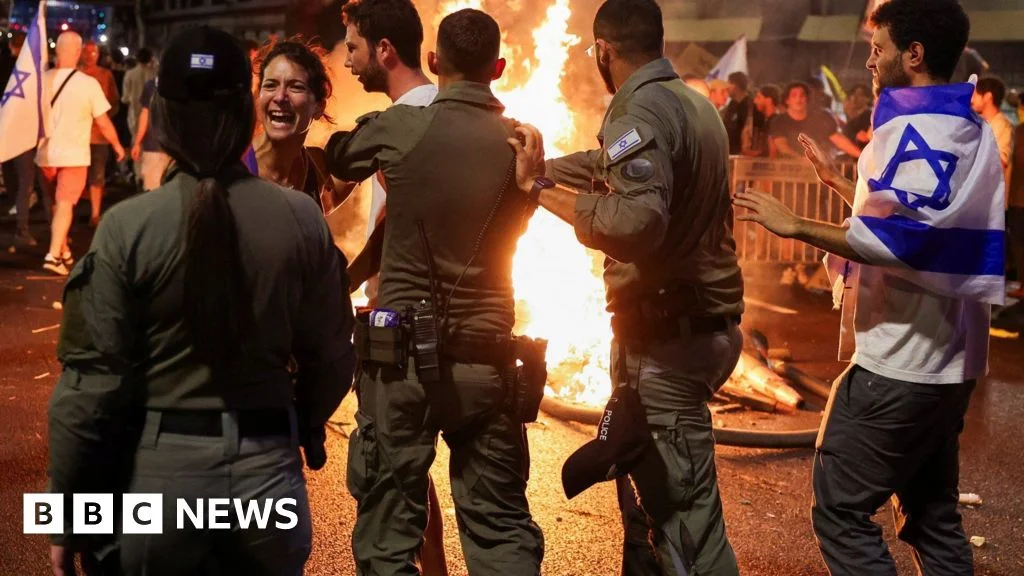
September 1, 2024: Tens of thousands gathered in Israel demanding a hostage release deal, with some protesters breaking through police lines to block a major highway in Tel Aviv. (Source: BBC News)
Government Pressure and Public Division: These protests have frequently put immense pressure on Israeli Prime Minister Benjamin Netanyahu's government. Families of hostages have openly accused the government of lacking the will to secure their loved ones' release, citing perceived dismissiveness from government officials. (Source: CNN)
Police Action and Arrests: While many protests are described as largely peaceful, clashes with law enforcement and arrests have been reported.
On September 8, 2024, five protesters were detained in Tel Aviv. (Source: Times of Israel)
On August 17, 2025, more than 30 protesters were arrested. (Source: France24)
On June 23, 2024, video footage showed scuffles and arrests as police attempted to clear protesters from a main highway in Tel Aviv during a large anti-government rally. (Source: BBC News)
International Scrutiny: The conflict and internal Israeli dissent have also drawn international attention, with reports of protests and calls for sanctions greeting Prime Minister Netanyahu at the UN. (Source: Al Jazeera)
This backdrop of large-scale demonstrations, intense public pressure on the government, and the presence of police managing crowds and potential disruptions in Israel highlights a recurring dynamic. The current situation in Sydney, where authorities are imposing broad restrictions ahead of a protest related to Israeli political figures, resonates with these international patterns of protest and the measures taken to manage them.
Read More: Trump Disagrees with Federalist Society, Judge Stops His Courtroom Talk
The Legal Arena: Challenging Police Authority
The Palestine Action Group's decision to challenge NSW Police in court underscores a fundamental question: where do the limits of police power lie when balancing public safety, security, and the right to protest? The group's legal action aims to scrutinize the legal basis and scope of the "sweeping search, exclusion and conduct restrictions" imposed.
Basis of the Challenge: The core of the legal argument will likely revolve around whether the police powers, as exercised, are proportionate and necessary for the stated security objectives. Critics argue that such broad restrictions can have a chilling effect on free speech, even if they are not explicitly preventing all forms of protest.
Key Legal Questions:
Are the special powers being used in accordance with relevant legislation in NSW?
Is the scale of the restrictions – affecting large swathes of the CBD – justified by the perceived threat?
Does the invocation of these powers disproportionately impact the right to freedom of assembly and expression?
What evidence do the police have to justify such extensive limitations on public movement and conduct?
Potential Outcomes: A successful legal challenge could lead to a relaxation of the police-imposed restrictions, setting a precedent for how such powers are used in the future. Conversely, if the court upholds the police's actions, it could embolden authorities to implement similar measures in future high-profile events.
Read More: Barbeques Galore Stores Close After Company Faces Money Problems
The upcoming court proceedings will be closely watched, not just by the immediate parties involved, but by civil liberties advocates and the broader public concerned with the state's authority to control public spaces and the expression of dissent.
The Stakes: Freedom of Expression vs. Public Order
The Sydney rally standoff is more than just a dispute over a protest route; it's a critical juncture for democratic freedoms in Australia. The heavy-handed approach by NSW Police, particularly the imposition of widespread restrictions, raises profound questions about the government's commitment to the right to protest and freedom of expression.
Chilling Effect on Dissent: When authorities implement broad search and exclusion zones, even with the intention of preventing confrontation, it can deter individuals from participating in legitimate protests. The fear of being stopped, searched, or excluded can effectively silence voices that wish to express opposition.
Defining "Public Order": The police's justification for their actions—to prevent confrontation and allow those "mourning after the worst terrorism event" to move freely—highlights the delicate balance between maintaining public order and allowing dissent. However, the sheer scale of police deployment and restrictions suggests a definition of public order that leans heavily towards minimizing any potential for disruption, rather than accommodating the right to protest.
Symbolism of Presidential Visits: High-profile visits by foreign leaders, particularly those from nations involved in contentious international conflicts, often become focal points for protest. The way authorities manage these protests can send a powerful message about a society's tolerance for critical viewpoints.
The Role of Media and Public Discourse: The reporting of these restrictions, as seen in the Guardian Australia article, is crucial in informing the public and fostering debate. Open reporting allows for scrutiny of police actions and amplifies the concerns of groups like the Palestine Action Group.
Read More: Lawmakers Question Attorney General Bondi on Epstein Files
The decision by the Palestine Action Group to pursue legal action is a testament to the perceived severity of the infringement on their rights. The outcome of this legal challenge, and the public discourse surrounding it, will significantly shape the future landscape of protest rights in NSW and beyond.
Looking Ahead: Justice in the Courts and on the Streets
The confrontation between NSW Police and the Palestine Action Group is poised to move from the streets to the courtroom. The group's impending legal challenge will seek to scrutinize the legality and proportionality of the extensive restrictions imposed by the police in anticipation of Israeli President Isaac Herzog's visit. This legal battle will be a crucial test of the boundaries of police powers and the protection of democratic rights in Australia.
Read More: Top AFL Players Negotiating Big New Contracts
The Court Challenge: The Palestine Action Group's legal action will focus on whether the "sweeping search, exclusion and conduct restrictions" implemented by NSW Police are a justifiable and proportionate response to security concerns. The core of their argument will likely be that these measures excessively curtail the right to freedom of assembly and expression.
Precedent Setting: The ruling in this case could establish important precedents regarding the extent to which authorities can restrict public gatherings and movement during high-profile visits, especially in contexts of heightened political sensitivity.
Public Perception and Trust: The manner in which this situation is resolved, whether through legal victory for the protesters, upholding of police powers, or a negotiated compromise, will have implications for public trust in both law enforcement and the government's commitment to democratic freedoms.
Broader Implications: As seen in the context of protests in Israel, managing public dissent during times of conflict and national mourning is complex. The Sydney case highlights that these challenges are not confined to one region and often involve intricate legal and ethical considerations regarding the state's response to citizen action.
Ultimately, the outcome hinges on the courts' interpretation of the law and their assessment of the balance between security imperatives and fundamental civil liberties. The Palestine Action Group's fight underscores the ongoing vigilance required to safeguard the right to protest, a cornerstone of democratic societies.
Read More: Congress Leader Accuses Finance Minister of Lying to Parliament About WTO Deal
Sources:
France24: Mass rally in Tel Aviv calls for end to Gaza war, hostage deal
BBC News: Tens of thousands rally in Israel calling for hostage release deal
CNN: Israeli protesters push harder for hostage deal as divide with Netanyahu deepens
BBC News: Gaza war: Giant anti-government protest rally grips Tel Aviv
Al Jazeera: Protests, calls for sanctions greet Netanyahu at UN amid Gaza horrors