

A recent Supreme Court decision has cast doubt on the legality of tariffs imposed under the International Emergency Economic Powers Act (IEEPA) during the Trump administration. This ruling could potentially obligate the U.S. to refund billions of dollars to importers, a figure estimated to be as high as $175 billion. The decision, which was divided 6-3, has sent shockwaves through trade circles, raising questions about the financial implications for the U.S. Treasury and the future of similar trade measures.
The core of the dispute centers on whether the President has the authority under IEEPA to impose broad tariffs, a power that had not been exercised by previous administrations for such purposes. Importers who paid these tariffs now have pending lawsuits seeking refunds, citing lower court rulings that found the tariffs illegal.
Read More: Supreme Court Blocks Trump Tariffs Under Special Law
Background of the Tariffs and Legal Challenge
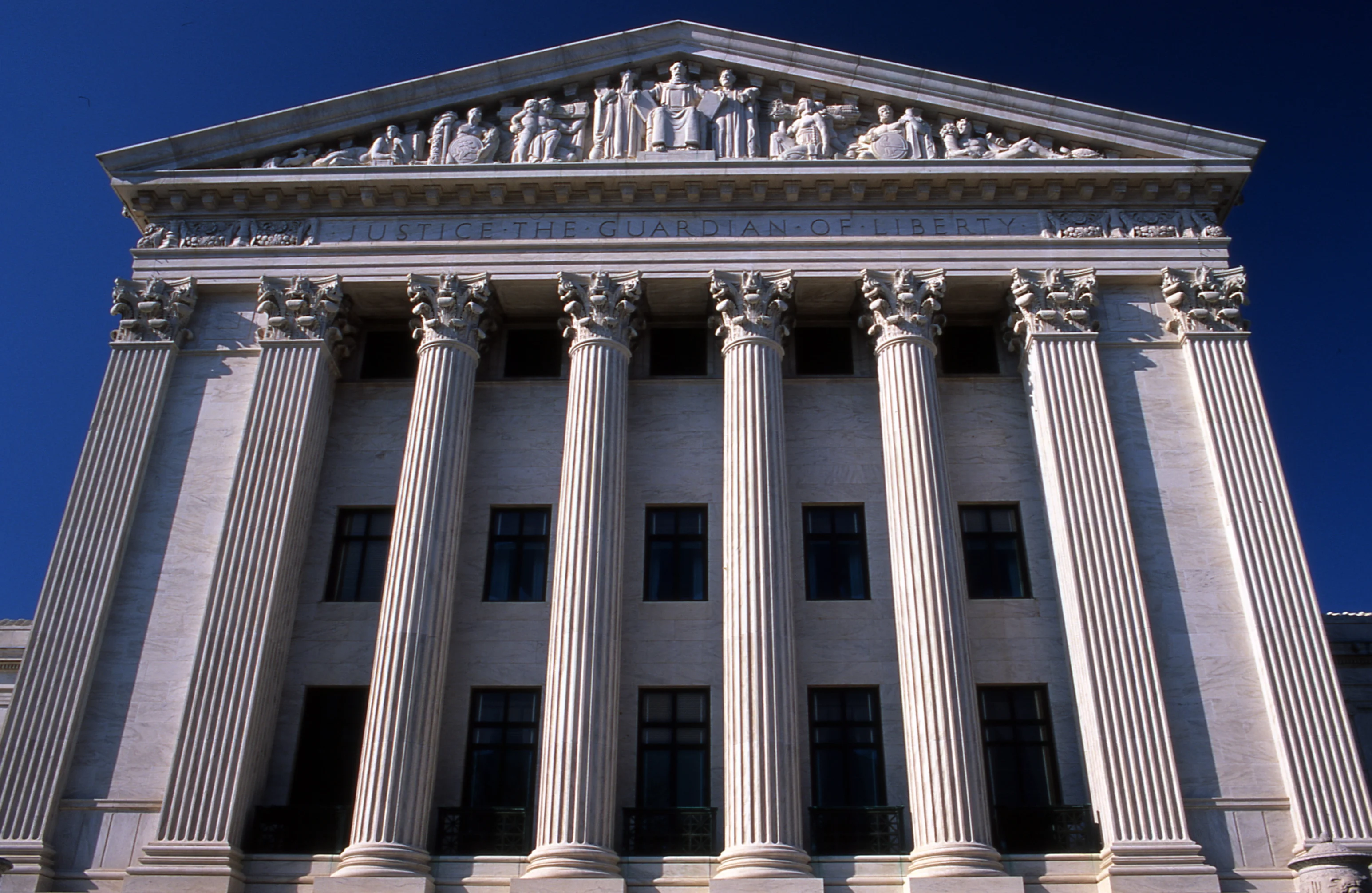
In 2026, the Supreme Court heard cases challenging tariffs implemented by the Trump administration. These tariffs were enacted under the guise of addressing illegal drug flows and trade deficits, using the International Emergency Economic Powers Act (IEEPA). This marked the first instance a president had used IEEPA to impose tariffs.
The Supreme Court's ruling stated that IEEPA does not grant the President the power to unilaterally impose unbounded tariffs and alter them at will, a power previously wielded with frequency by the Trump administration.
Chief Justice John Roberts, writing for the majority, highlighted the government's broad interpretation of IEEPA against a backdrop of clear and limited delegations of power.
Justice Brett Kavanaugh, among the dissenting justices, raised concerns about the logistical challenges involved in processing potential refunds.
The Supreme Court's decision remanded these cases to lower courts, leaving the explicit outcome regarding refunds pending. However, the ruling effectively blocked the tariffs and suggests a significant financial liability for the U.S. government.

Financial Implications: Billions at Stake
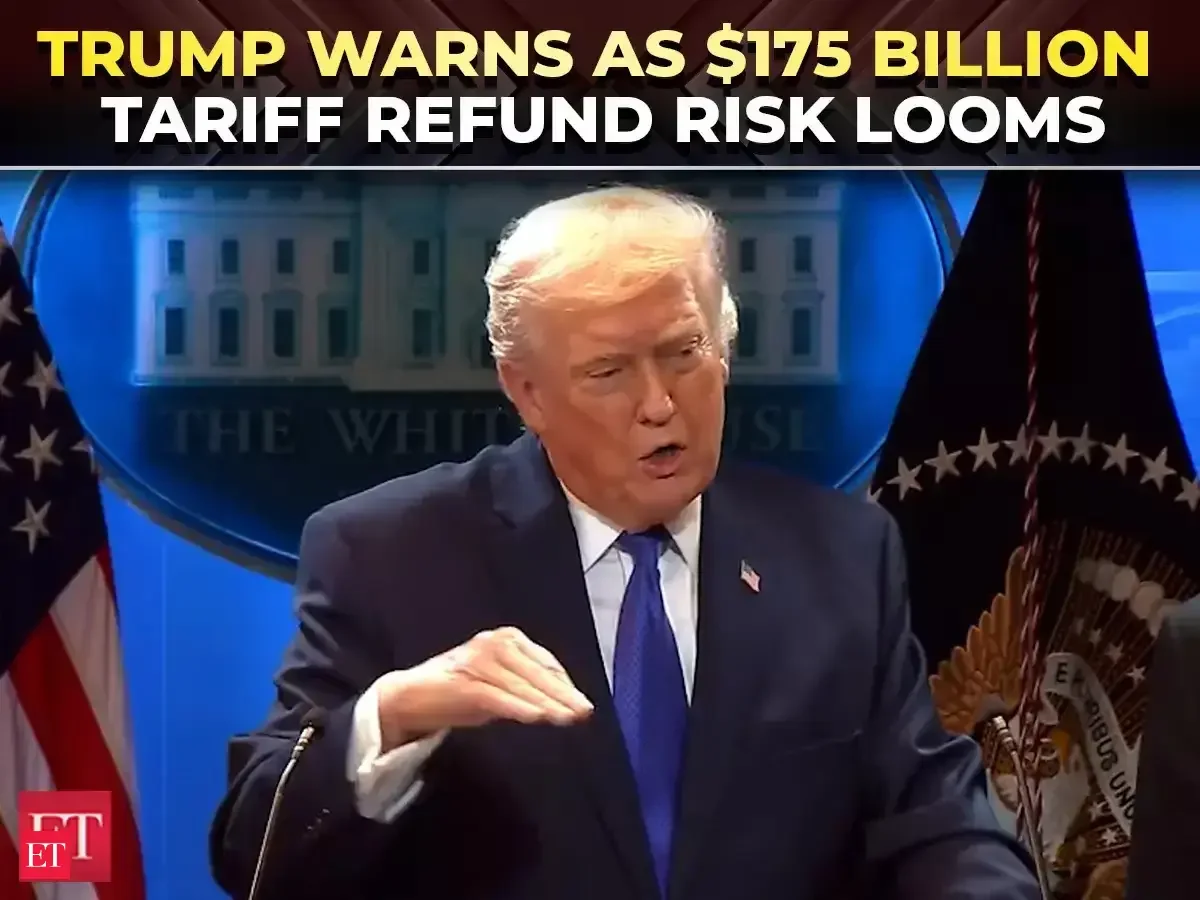
Estimates suggest that the U.S. could be liable for up to $175 billion in tariff refunds. This figure is based on the total revenue collected from these IEEPA-based tariffs over the period they were in effect.
Penn-Wharton has estimated that the U.S. tariff revenue at risk could exceed $175 billion.
Importers who have paid these duties are now expected to seek refunds from the U.S. Customs and Border Protection agency.
Treasury Secretary Scott Bessent previously stated that the Treasury could manage such refunds, though he expressed confidence in the tariffs' legality.
Impact on Businesses and Future Trade Policy
The Supreme Court's decision has created uncertainty for businesses that paid the tariffs. While the tariffs themselves have been struck down, the immediate impact on consumer prices is not expected to be dramatic.
Read More: Supreme Court Stops Trump's Big Tariffs on Goods in 2026
The ruling does not explicitly state that the federal government must refund money already collected.
Trump administration officials have indicated they may seek to reinstate similar tariffs using alternative legal authorities.
Some trade partners, like South Korea, saw their U.S. tariff rates adjusted downward in late 2025 as negotiations occurred.
Expert Perspectives and Dissenting Views
The Supreme Court's divided ruling highlights differing interpretations of executive authority and existing legislation.
The 6-3 decision underscores a significant split among the justices regarding the scope of presidential power under IEEPA.
The dissenting justices' concerns about logistical difficulties suggest the process of refunding such a large sum could be complex and protracted.
The ruling's impact on future trade negotiations and the use of executive orders for imposing tariffs is a key area of ongoing analysis.
Conclusion and Next Steps
The Supreme Court's decision has declared the IEEPA-based tariffs illegal, opening the door for potentially massive refunds to importers. While the ruling did not mandate immediate refunds, the legal precedent now favors importers seeking to recover the duties they paid.
The cases have been sent back to lower courts, which will likely handle the specific claims for refunds.
The U.S. government faces the prospect of disbursing up to $175 billion, a significant fiscal undertaking.
The Trump administration's past actions and stated intentions suggest a potential move to reimpose similar measures through different legal channels, indicating a continued focus on this policy area.
The full financial and legal ramifications of this ruling are still unfolding, and businesses that paid these tariffs will be closely monitoring developments in the lower courts.
Sources
CNBC: Supreme Court Trump tariffs ruling could put U.S. on hook for $175 billion in refunds, estimate says (Published: February 20, 2026)
Ars Technica: Supreme Court blocks Trump's emergency tariffs, billions in refunds may be owed (Published: February 19, 2026)
KLSE Screener: US tariff revenue at risk in Supreme Court ruling tops US$175bil, Penn-Wharton estimates (Published: February 20, 2026)
IBTimes: Supreme Court Just Wiped Out $175 Billion in Trump Tariffs: What Happens to Your Money Now? (Published: February 20, 2026)


