A significant fossil find in Brazil has revealed the largest known clutch of Mesozoic crocodyliform eggs, offering a rare glimpse into the reproductive habits of these ancient reptiles. The discovery, situated within the Adamantina Formation, has been described as a collection of multiple eggs and entire egg clutches found in the same geological layer.

This extensive nesting ground points to a specific behavior of the crocodyliforms inhabiting the region during the Late Cretaceous period. Paleontologists suggest that these findings could help unravel the evolutionary shifts in how these creatures nested over vast stretches of time.
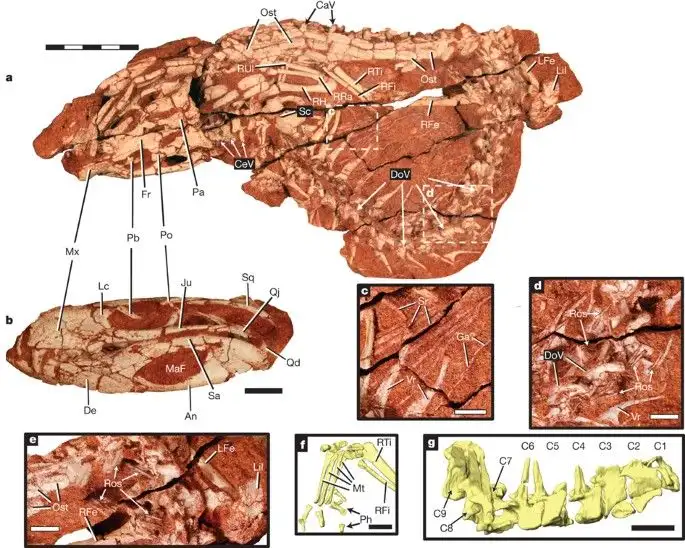
The unearthed material offers crucial data for understanding the paleobiology of crocodyliforms, a diverse group of archosaurs that includes modern crocodiles and their extinct relatives. Specifically, the nature of these eggs and their arrangement provides tangible evidence of reproductive strategies employed by species like Pissarrachampsa, a previously identified inhabitant of the area.
Read More: Indigenous Data Rights Now Key in Conservation Genomics
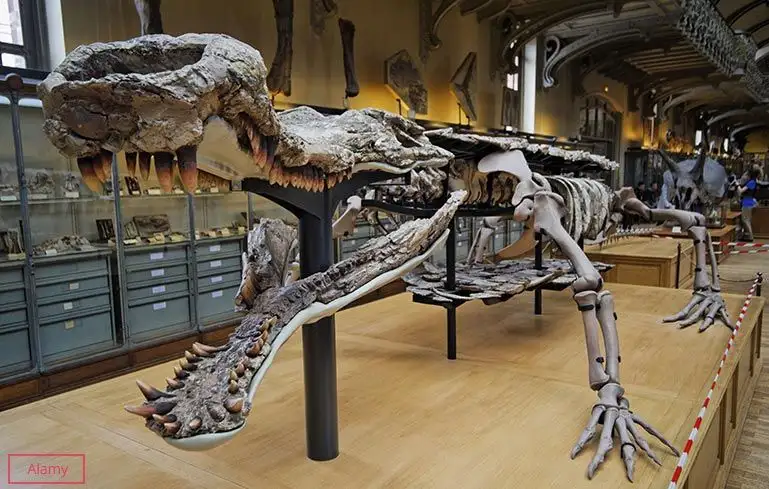
Ancient Ecosystems and Diverse Crocodyliforms
The Adamantina Formation, where the eggs were found, is known to have hosted a variety of crocodylomorphs during the Late Cretaceous. This geological unit has yielded fossils of species such as Adamantinasuchus navae, Sphagesaurus huenei, and Aplestosuchus sordidus, painting a picture of a complex ecosystem populated by different terrestrial and potentially semi-aquatic predators.

These discoveries underscore the rich fossil record of Brazil concerning crocodyliform evolution. The presence of multiple, related finds within the same formations suggests concentrated nesting or living sites. Researchers are interested in how these varied crocodyliform groups, some of which were highly adapted terrestrial predators like Uberabasuchus terrificus, interacted within their environment.
Broader Implications for Reptilian Evolution
The discovery is not just about ancient crocodiles; it feeds into a larger scientific narrative about reptile reproduction and survival strategies. The meticulous study of these egg clutches, including their composition and arrangement, can offer insights into incubation periods, parental care (or lack thereof), and the environmental conditions necessary for successful reproduction.
Read More: Lula Calls Bolsonaro Family 'Traitors' After Meeting With Trump
Comparisons with other fossilized nesting sites, such as those found in Patagonia which have revealed dinosaur nesting behaviors, highlight the varied approaches to reproduction among Mesozoic fauna. The long-term goal for researchers is to construct a more comprehensive timeline of how crocodyliforms adapted and evolved their nesting behaviors across different geological eras and continental settings, particularly in the ancient landmass of Gondwana.
Background: The Crocodyliform Lineage
Crocodyliforms are an ancient lineage of archosaurian reptiles, first appearing in the Late Triassic period. They diversified extensively throughout the Mesozoic Era, inhabiting a wide range of environments, from freshwater rivers to saltwater seas. While some groups, like the massive Sarcosuchus imperator or the terrestrial Kostensuchus atrox, were specialized predators, others were more generalist. The fossil record indicates that while many crocodyliform lineages did not survive the Cretaceous–Paleogene extinction event, some smaller, more adaptable forms persisted and evolved into the modern crocodiles, alligators, caimans, and gharials that exist today. The research associated with this discovery continues to contribute to the ongoing re-evaluation of crocodyliform diversity and their ecological roles in ancient ecosystems.
Read More: New Room Temperature Photon Source for Quantum Tech in Korea