


Price, The Unfolding Enigma
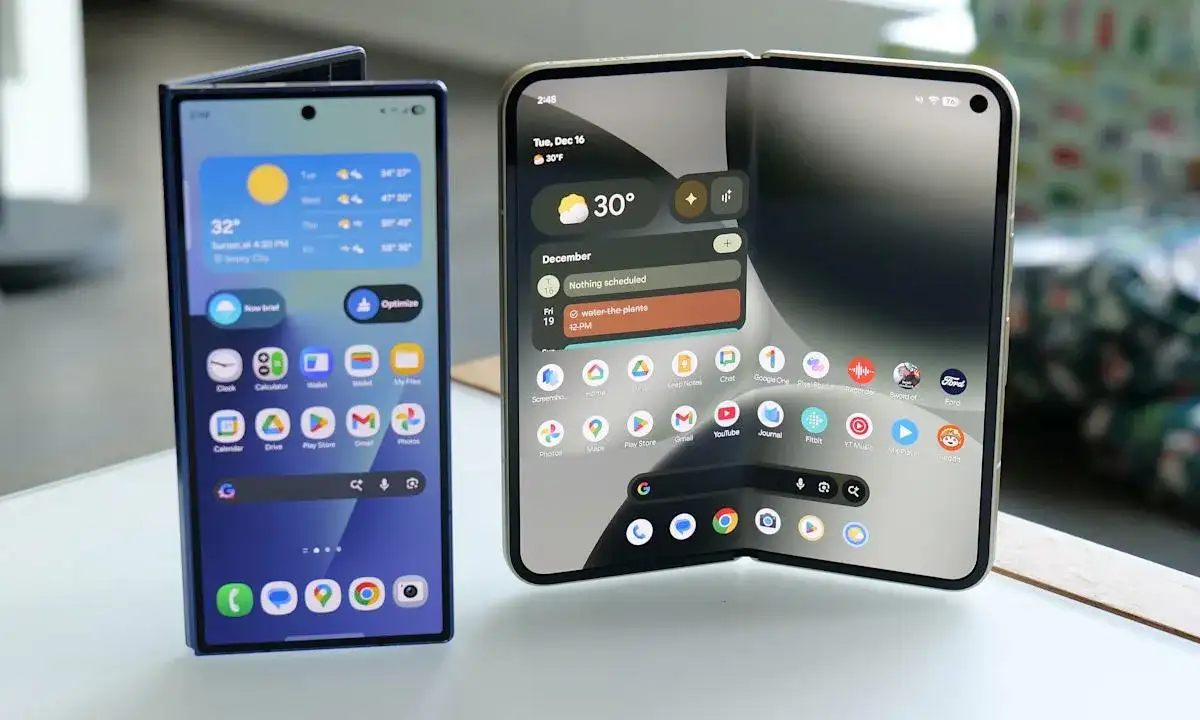
The persistent barrier, the singular challenge that continues to stymie the widespread adoption of foldable phones, remains their cost. While manufacturers have painstakingly refined designs, bolstering durability and integrating advanced camera systems—often boasting resolutions of 200 megapixels as seen in devices from Oppo and Samsung—the financial threshold for entry is proving formidable. Even as these devices become sleeker, lighter, and more robust, as evidenced by the Google Pixel 10 Pro Fold lauded for its durability and advancements like water resistance and S Pen support introduced with models such as the Galaxy Z Fold 3, the prohibitive price tag overshadows these technical leaps.
Resolution of Technical Hurdles
The era of significant trade-offs in foldable phone technology appears to be drawing to a close, with most critical compromises seemingly resolved. Durability concerns, once a primary impediment, have been substantially addressed, with newer models exhibiting a resilience previously absent. Screen technology has also advanced, moving beyond the fragility that characterized early iterations; current displays operate at maximum brightness and are no longer considered the weak points they once were.
Read More: Chrome mimeHandler API lets extensions handle file types
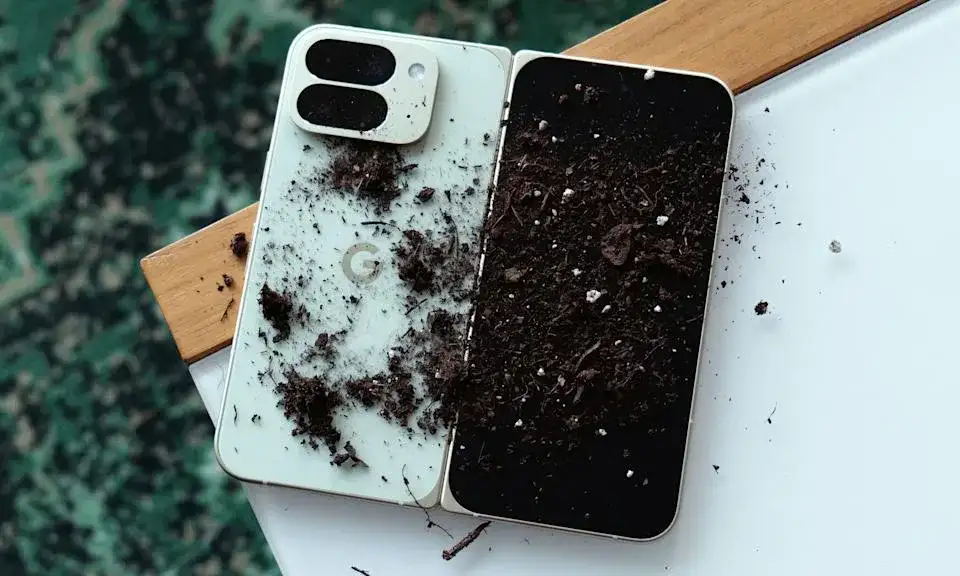
The camera systems, a frequent casualty of foldable design compromises, have seen dramatic improvements. Manufacturers like Samsung and Oppo are now equipping their folding devices with high-resolution 200-megapixel main cameras, on par with, if not exceeding, the capabilities found in traditional smartphone flagships. This integration means users are no longer forced to choose between the novel form factor and photographic quality.
A Market Primed for Change, Awaiting Accessibility
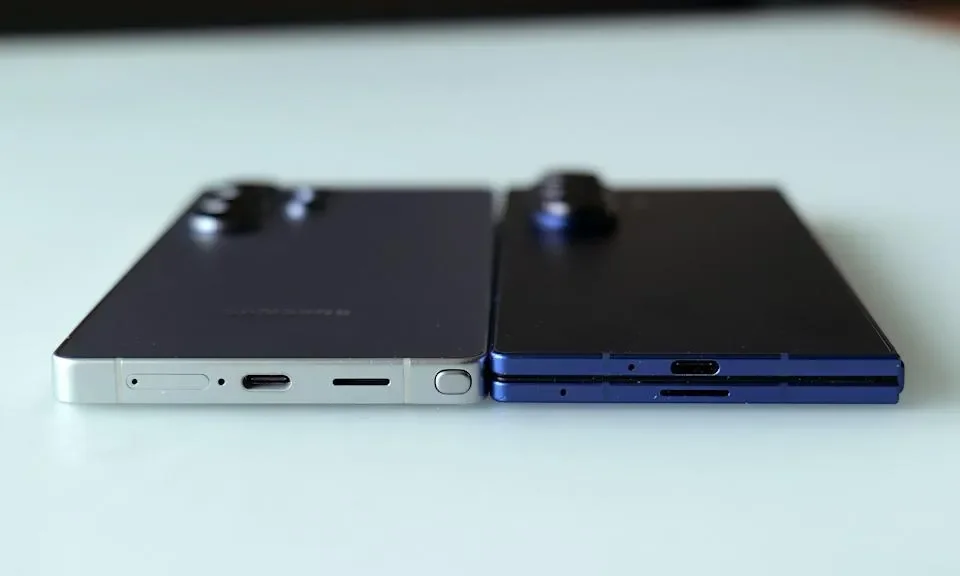
The narrative surrounding foldable phones has shifted from one of technological aspiration to one of market accessibility. Companies like Samsung are actively pushing this future, introducing new models such as the Galaxy Z Fold 7 and Galaxy Z Flip 7, and even a more affordable Galaxy Z Flip 7 FE. This latter model, featuring a familiar design and an older processor, signals an effort to broaden the appeal by offering a lower price point. Similarly, Honor has contributed with its slim Magic V5 foldable.
Read More: Pixel 10 US models go eSIM only, international models keep physical SIM
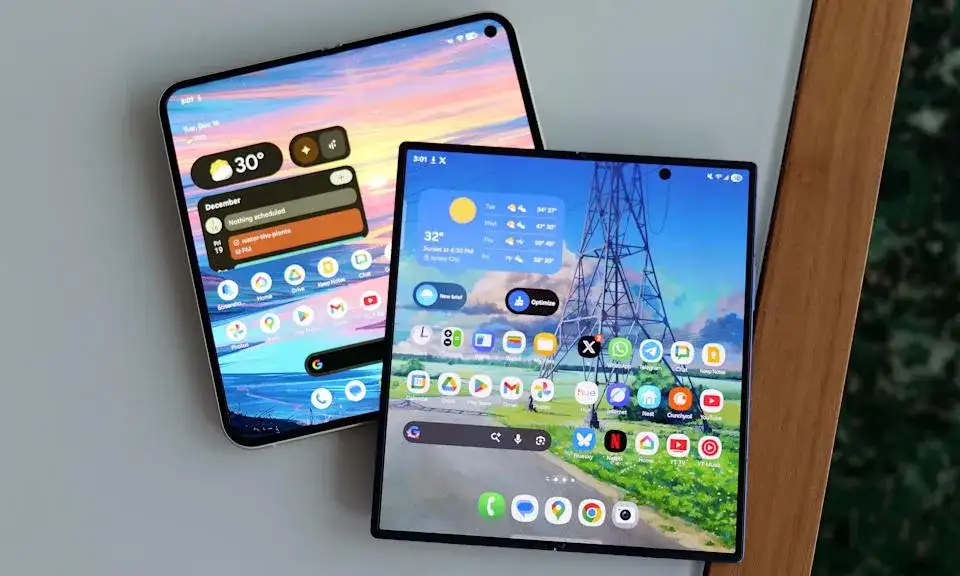
The potential impact of a market entrant like Apple, should it eventually debut a foldable device, is a subject of considerable speculation. Its arrival is anticipated to galvanize further developer interest in optimizing applications for foldable displays, a current limitation where many third-party apps fail to fully leverage the unique screen real estate. This could unlock new possibilities for mobile productivity, enabling side-by-side document review, spreadsheet management, and enhanced video conferencing experiences.
The Genesis of Foldables
Foldable phone technology, though a recent innovation, has undergone rapid evolution. Early iterations, like the initial Samsung Galaxy Fold, presented a more rudimentary experience. However, subsequent generations have seen consistent refinement, with significant advancements such as water resistance and stylus support introduced. This steady iteration has brought the form factor closer to mainstream acceptance, but the economic equation has yet to align for broad consumer adoption.
Read More: BEREC Asks for Mobile Network API Ideas from Developers





