The Strait of Hormuz, a crucial artery for global trade, has seen ship traffic dramatically slow to a crawl, with major shipping lines suspending operations and rerouting vessels. This disruption stems from escalating conflict in the Middle East, following US and Israel strikes on Iran over the weekend. Roughly one-fifth of the world's oil moves through this vital passageway, and its closure signals significant volatility for global markets and the cost of living.

SHIPPING GIANTS REROUTE, TRADE FLOWS SUFFER
Maersk, a prominent Danish shipping company, has declared a suspension of all vessel crossings in the Strait of Hormuz "until further notice." Services that call on ports in the Persian Gulf are now bracing for delays. The company is rerouting its Middle East-India to Mediterranean and Middle East-India to U.S. East Coast services around the Cape of Good Hope. This move highlights the palpable fear of prolonged disruption to key maritime corridors, including the adjacent Bab el-Mandeb Strait. The broader impact extends to global container trade, not just oil.
Read More: US May Add Tariffs on Australian Goods Due to Forced Labour

OIL PRICES SPIKE, COST OF LIVING PRESSURES MOUNT
The immediate aftermath of the strikes saw oil prices jump approximately six percent. Experts like Johnathan McMenamin, head of economic forecasts at Barrenjoey, point to rising oil prices as having the most direct impact on real economic activity. For many Asian nations, which import more oil than they export, increased oil prices coupled with weaker local currencies present a challenging scenario. Richard Yetsenga, ANZ’s chief economist, noted that governments are already taking steps to cushion the blow to households. Thailand, for instance, has banned all petroleum exports and is tapping a national fuel fund to protect motorists.

NAVAL ESCORTS AND UNCERTAINTY
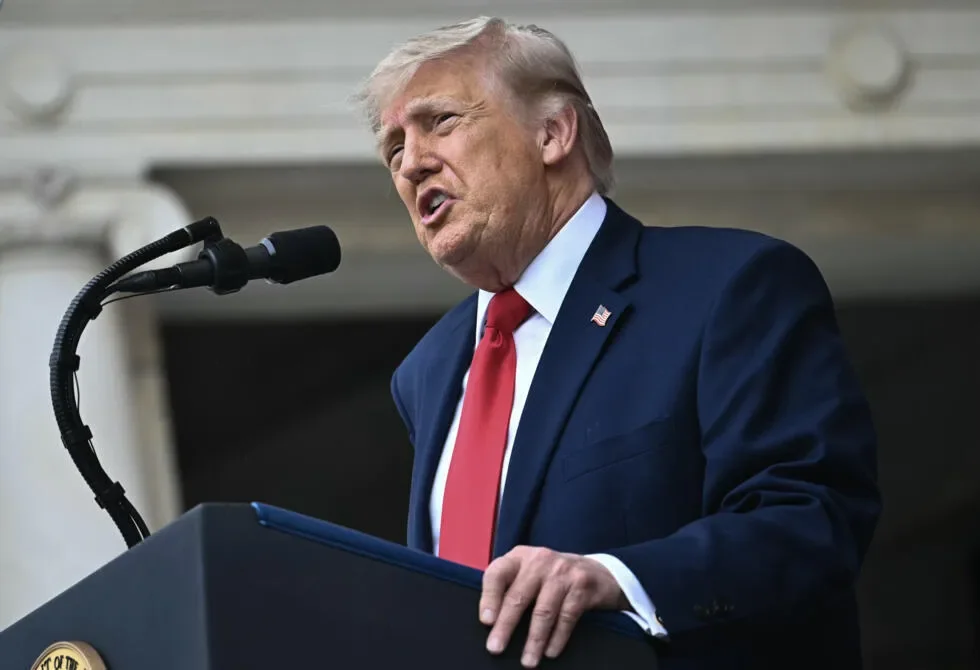
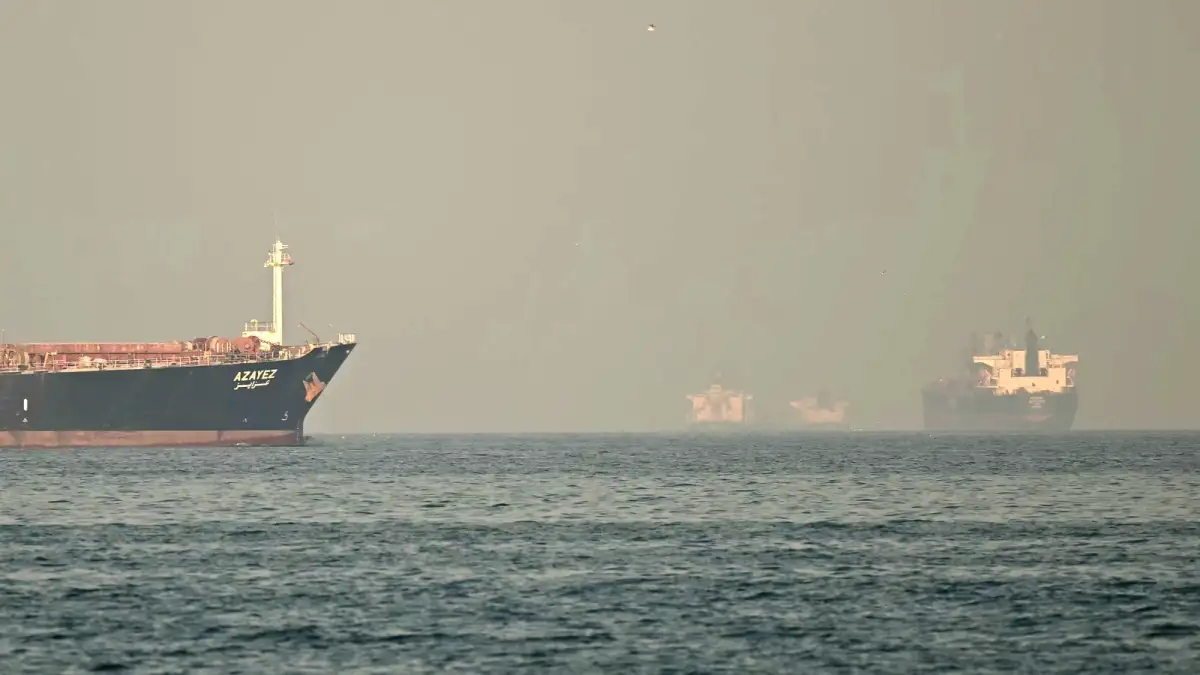
Reports indicate that President Trump has stated the U.S. Navy would escort tankers through the Strait of Hormuz if necessary. However, there are significant doubts regarding the U.S. Navy's capacity to provide such escorts, given that 60 or more tankers typically traverse the strait daily. Companies like Flexport, a global shipping logistics firm, expressed concerns not only for the safety of their physical cargo ships but also for the crew's safety. Currently, the Gulf is described as being "packed with tankers and other ships unable to get out."
Read More: Iran Warns Gulf States After U.S. Naval Clash
MARITIME CHOKEPOINTS AS WEAPONS
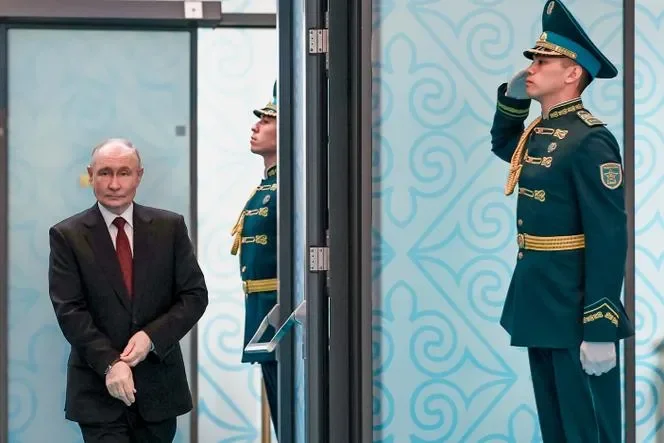
The weaponization of trade routes, akin to Vladimir Putin's energy war impacting Europe's gas supplies, is now evident. Closing the Strait of Hormuz is poised to dramatically increase the cost of petrol and other consumer goods. Iran's elite Revolutionary Guard has claimed "complete control" over the strait, vowing to "set on fire" any vessels that attempt to cross. This demonstrates how efficiency-driven global supply chains leave little room for error when disruptions strike, as maritime chokepoints not only shape trade routes but also redistribute economic costs.
Read More: US Adds 12.5% Tariff on Indian Goods for Labor Law Failures
BACKGROUND
The Strait of Hormuz is a bending waterway, approximately 33 kilometers wide at its narrowest point. While Iran and Oman share territorial waters within the strait, it is broadly recognized as an international waterway open to all ships. The escalating tensions and potential closure directly threaten the flow of a significant portion of the world's energy and trade.
"The failure to immediately signal to global markets that additional supplies would be released had real consequences for how oil markets responded." - Atlantic Council
"Maritime chokepoints therefore do not just shape trade routes, but redistribute costs across economies, exposing how efficiency-driven global supply chains leave little slack when disruption strikes." - RTE