Oil prices have seen modest gains, driven by renewed tensions between the United States and Iran, yet the market's response remains subdued. This subdued reaction contrasts with previous surges, suggesting a degree of market recalibration or perhaps an oversupply dynamic currently dampening volatility.
Crude oil prices climbed following the latest rise of tensions between the United States and Iran, but the moves were more modest than they were earlier in the conflict. The market is absorbing mixed signals: Iran's earlier statement regarding the reopening of the Strait of Hormuz to commercial traffic had previously sent oil prices tumbling and stocks soaring. However, this relief appears to have been short-lived.
Inventory Builds Temper Price Hikes
Reports indicate a surprise build in US crude oil inventories, which typically points to potential softening in near-term crude prices. While gasoline stocks decreased, the rise in distillate inventories and the larger-than-expected crude build create an offsetting effect, leading to a generally stable market reaction following the inventory report. This scenario could favor positions anticipating near-term weakness in crude prices, especially if high inventories and lower refinery runs persist.
Read More: Iran Warns Gulf States After U.S. Naval Clash
Federal Reserve Policy Hinges on Strait's Durability
The Federal Reserve's monetary policy appears to be held hostage by the stability of oil prices, which are themselves tied to the geopolitical situation. Federal Reserve officials have explicitly linked the viability of potential interest rate cuts to the continued openness of the Strait of Hormuz. This dependency suggests that market participants will be closely watching any developments concerning the strait, with upcoming economic data, such as Retail Sales, serving as key indicators to gauge the energy windfall's impact on households.
Bond Market Shrugs Off Diplomatic Jitters
The bond market has exhibited a muted reaction to conflicting reports regarding US-Iran talks. Traders appear to be taking a cautious stance, with fluctuations in inflation swap rates indicating a less dramatic response than might be expected from geopolitical uncertainty. The 10-year inflation swap rate, a measure of expected average annual inflation over the next decade, has been observed to be falling, suggesting a diminished inflation expectation among bond investors.
Read More: Russia Boosts Air Defense Against Ukraine Drone Attacks
Background: A Six-Week Conflict's Echoes
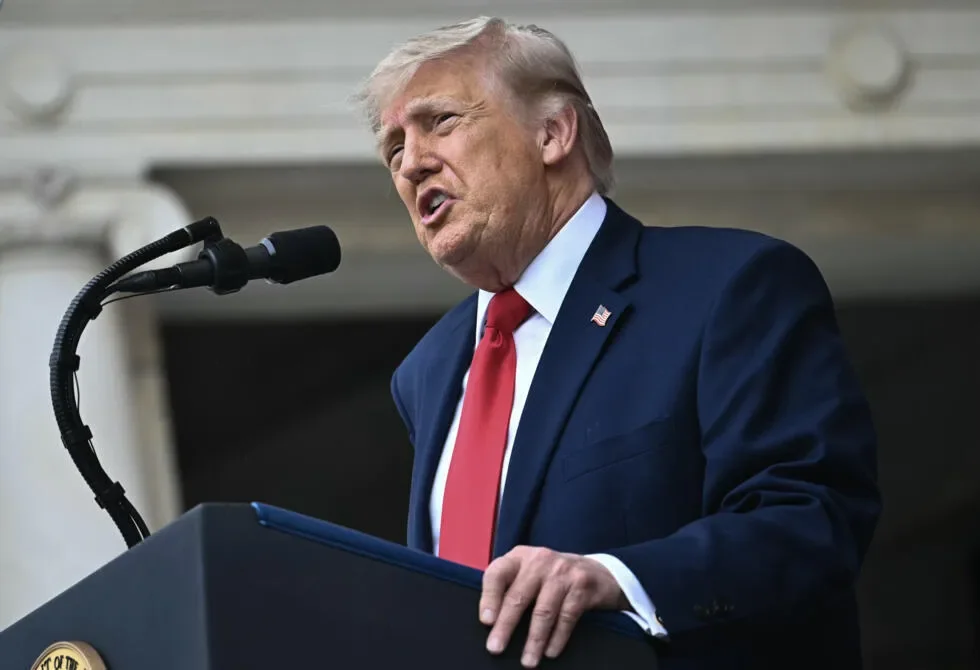
The recent market movements are occurring against the backdrop of a six-week conflict between the US and Iran. This conflict had previously sent crude prices soaring, contributing to inflation spikes, with the US consumer price index reaching a high of 3.3 percent in March. The strategic Strait of Hormuz, through which approximately a fifth of global oil and gas typically passes, has been a focal point of the escalating tensions. President Donald Trump's pronouncements regarding a blockade aimed at clearing the strait of mines underscore the critical nature of this waterway to global energy security.