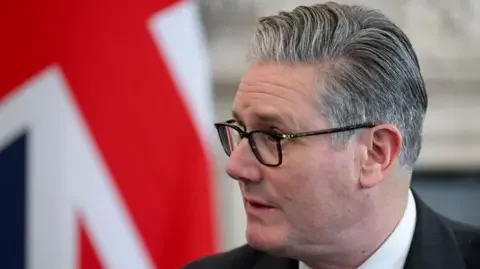
PRIME MINISTER'S PHONE SETTINGS RAISE TRANSPARENCY QUESTIONS
Prime Minister Keir Starmer employs a 'disappearing messages' function on his mobile device, Downing Street has confirmed. This admission follows the recent release of government documents pertaining to Lord Peter Mandelson, with the auto-delete feature potentially accounting for the limited number of WhatsApp communications disclosed between Starmer and Mandelson.
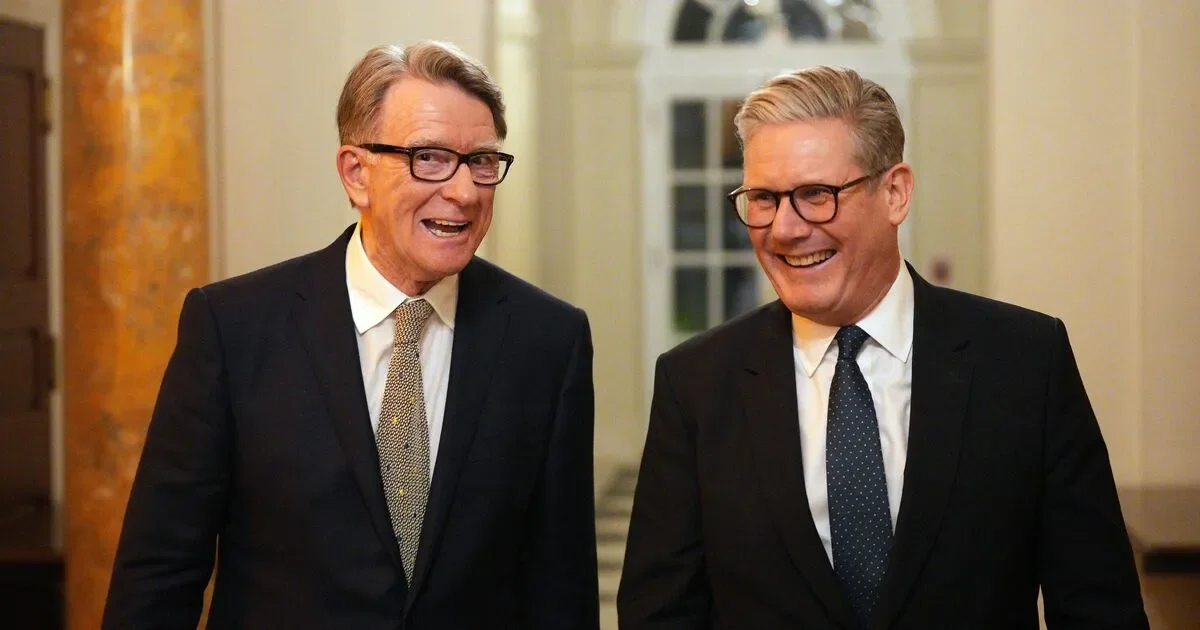
The confirmation, made by Downing Street officials, arrives as a significant batch of over 1,000 pages of emails and messages related to Mandelson's tenure as US ambassador were laid before Parliament. The scarcity of Starmer's direct WhatsApp exchanges in this release has drawn scrutiny, particularly from political opponents.

The 'disappearing messages' setting, which automatically removes conversations after a predetermined period, has led to suggestions that vital communications may be irretrievably lost. This practice has ignited accusations of a potential 'cover-up' and raised concerns about adherence to ministerial record-keeping and transparency guidelines.
Read More: Taiwan Holds Nantou County Drills to Prepare for State Collapse

THE MANDELSON FILES AND THE MISSING WORDS
The recent disclosure of documents concerning Lord Mandelson has unexpectedly brought Starmer's phone usage into sharp focus. While a substantial volume of communications from various officials and ministers was published, the exchanges involving the Prime Minister were notably sparse. Only a handful of non-WhatsApp texts between Starmer and Mandelson were included, alongside a limited text exchange.

Government guidance permits the use of disappearing messages, provided they do not compromise record-keeping or transparency. However, the political climate has intensified, with the Conservative party demanding clarification. They have accused Starmer of potentially breaching these rules, especially in light of the limited message data provided.
Other instances of missing communications have also surfaced. Cabinet minister Nick Thomas-Symonds was unable to provide WhatsApps after his phone was reported stolen last year, a similar fate that befell former Downing Street chief of staff Morgan McSweeney. These incidents compound concerns about the completeness of information made available.
Read More: Parliament fights over Mandelson papers, Starmer faces scrutiny
DEFENCE AND DEBATE
Defending the Prime Minister's actions, government representatives have maintained that Starmer has supplied all required information. Pat McFadden, a cabinet minister, remarked on the demanding nature of the Prime Minister's role and expressed confidence in Starmer's performance. He suggested that such messages, if they existed and were on his phone, would have been handled in line with permitted practices.
While some senior figures, like Tory leader Kemi Badenoch, have stated they do not use disappearing messages, others, including the Chancellor and a former foreign secretary, have confirmed their use of the feature.
Intelligence and Security Committee chair Lord Beamish has previously warned that the use of encrypted messaging apps like WhatsApp for government business inherently carries security risks, regardless of message deletion settings. The situation underscores a broader, ongoing debate about digital communication, ministerial accountability, and the preservation of official records in the modern political landscape.
Read More: FBI Analysts Review Georgia 2020 Election Data in Fulton County