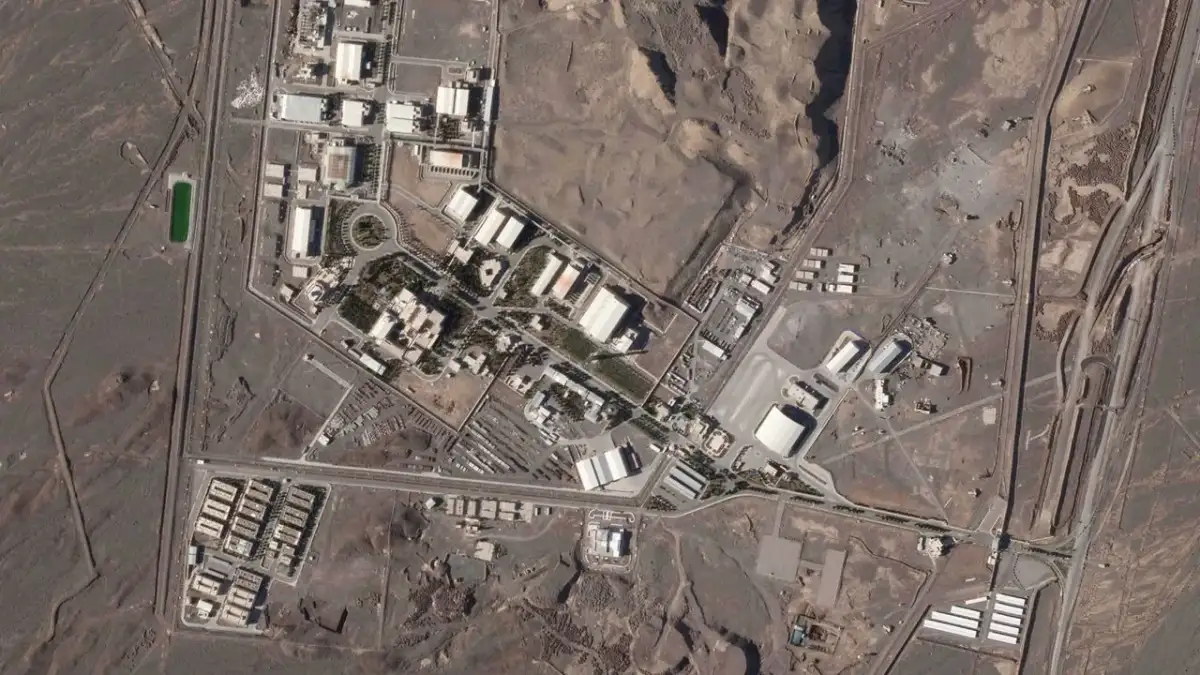
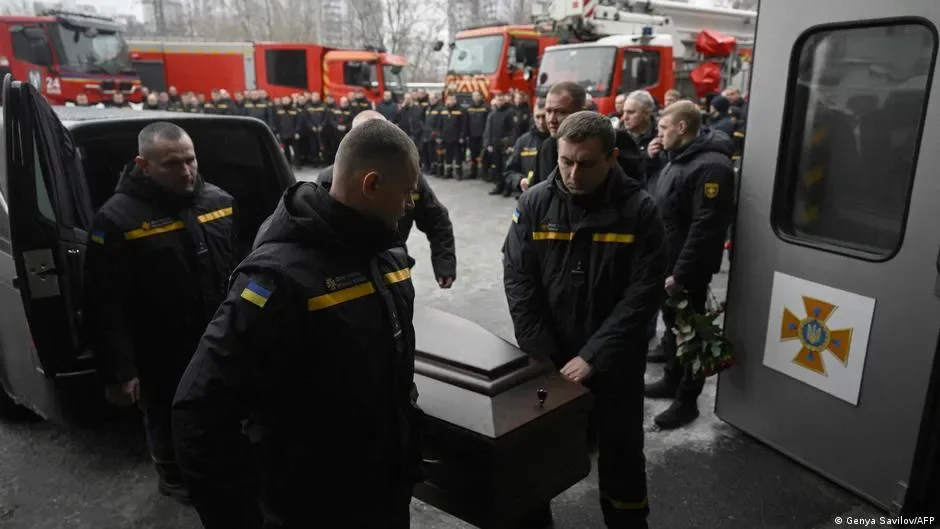
The geographic distance between the Persian Gulf and the coastal strips of Srikakulam has collapsed under the weight of ballistic trajectories. As Iranian missile strikes and drone incursions target hubs in Qatar, Saudi Arabia, and the UAE, the domestic quiet of North Andhra is broken by the constant glow of mobile screens. Families in Tekkali, Palasa, Sompeta, and Ichchapuram now exist in a state of synchronized anxiety with the combat zones of the Middle East.
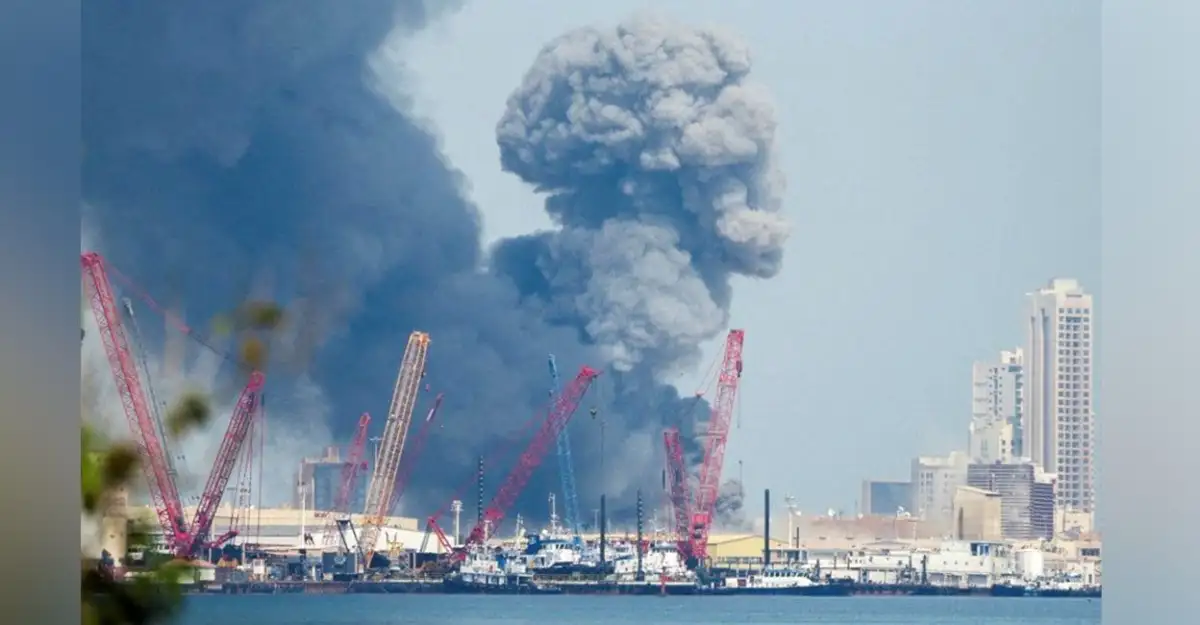
Workers in Muscat and Dubai report a surface-level normalcy, but their families in villages like Channayil (Kerala) and Palasa (Andhra) are tethered to 24-hour news cycles.
Official advisories from Indian consulates in the UAE, Qatar, and Kuwait have instructed citizens to ' stay indoors ' and avoid local entanglements as educational institutions shutter.
The logistical reality of the "Kafala" or company-contract system means many workers cannot flee; they wait for ' corporate clearance ' that rarely comes during a period of geopolitical friction.
The Mechanics of Waiting
For the households of North Andhra, the war is not a political abstraction but a threat to the primary export: labor. In Palasa, P. Bheemaraju monitors his phone for updates from his brother, a senior worker in Muscat. The communication is fragmented; the instruction is simple: “If my phone does not work, don’t panic.” This brittle reassurance highlights the fragility of the digital link that sustains the migrant economy.
Read More: Iran Zagros Mountain Nuclear Site Construction Update April 2026

"The sad thing is unless the company authorities send them, they cannot voluntarily come down." — Observation on the contractual paralysis facing Indian workers in the Gulf.
In Kerala, Beefathima, a 70-year-old mother in Malappuram, spends her hours tracking reports of a drone strike on the US embassy in Riyadh. Her son, Fajaru Sadhique, is stationed in Qatar, a region recently rattled by narrow-miss drone incidents. While the workers themselves continue their shifts, the psychological weight is exported back to the elders and children left in the ' remittance-dependent ' villages of India.

Geographic Impact and Safety Status
| Region of Origin | Primary Destination | Current Conflict Threat | Reported Status |
|---|---|---|---|
| Srikakulam (AP) | UAE, Qatar, Oman | Missile Interceptions | High Anxiety; Mobile-only contact |
| Malappuram (KL) | Saudi Arabia, Qatar | Embassy Drone Strikes | "Sleepless nights" for elderly parents |
| North Andhra | Indian Defence Forces | Indo-Pak Border Friction | Leave cancelled; Recalled to duty |
| General Gulf | Schools/Universities | Regional Escalation | Institutions closed; Students indoors |
The Psychological Debris
The conflict is rewriting the internal logic of children living within the Gulf. Psychologists note a shift where ' violence becomes desensitized ' or, conversely, leads to a total collapse of the sense of safety. These children process the war through feelings rather than the jagged logic of adult geopolitics. Back in India, the anxiety is more ' asymmetrical '; a drone strike in Qatar translates to a "mental health crisis" in a quiet Andhra home.
Read More: Andhra University Adds More Seats for B.Tech Courses

Background: The Labor-Security Loop
The Srikakulam district has long been a source of both industrial labor for the Gulf and personnel for the Indian Defence Forces. While one segment of the population watches the Middle East, another watches the Pakistan border following tensions in Pahalgam.
The state’s economic future is pivoting toward mineral security, with the Union Budget 2026 highlighting a ' rare earth corridor ' in Andhra Pradesh. This industrial shift aims to provide local "value addition" and employment, potentially reducing the desperate reliance on the volatile Gulf labor market. However, for those currently trapped in the contract cycles of Muscat or Riyadh, these future mines offer no immediate shelter from the missiles of today.
Read More: 40 Die in Quetta to Peshawar Bus Crash in Balochistan on April 3 2026