TOKYO - The Japanese government has confirmed its engagement with recently released Pentagon footage depicting unidentified anomalous phenomena (UAP) observed near its airspace. This acknowledgment arrives as Tokyo balances the complexities of national security, intelligence protocols, and the public's burgeoning curiosity regarding unexplained aerial events. Officials are now undertaking a review of this UAP material, obtained following its broader declassification by U.S. authorities. The administration's stance, articulated by Chief Cabinet Secretary Minoru Kihara, emphasizes a cautious approach to any potential disclosure of Japanese-held UAP data.
This review unfolds against a backdrop of heightened regional security concerns. Japan's increasing attention to UAP phenomena coincides with a rise in observed drone activity, surveillance craft, and other unidentified objects in proximity to its territorial boundaries. The government has signaled a commitment to sustained collaboration with U.S. counterparts, alongside ongoing vigilance regarding developments that touch upon the security of national airspace. The decision to release any Japanese footage or related intelligence will be determined on a case-by-case basis, contingent upon a thorough evaluation of national security implications and the potential exposure of intelligence-gathering capabilities.
Read More: Iran Zagros Mountain Nuclear Site Construction Update April 2026
Transparency Under Scrutiny
The Japanese government's tentative steps towards acknowledging and reviewing UAP information are mirrored by similar, albeit more advanced, efforts in the United States. The Pentagon has initiated a program, the 'Presidential Unsealing and Reporting System for Unidentified Anomalous Phenomena,' which has already seen the publication of an initial tranche of 162 declassified files. This move is presented as part of a larger push for increased transparency surrounding UAP encounters.
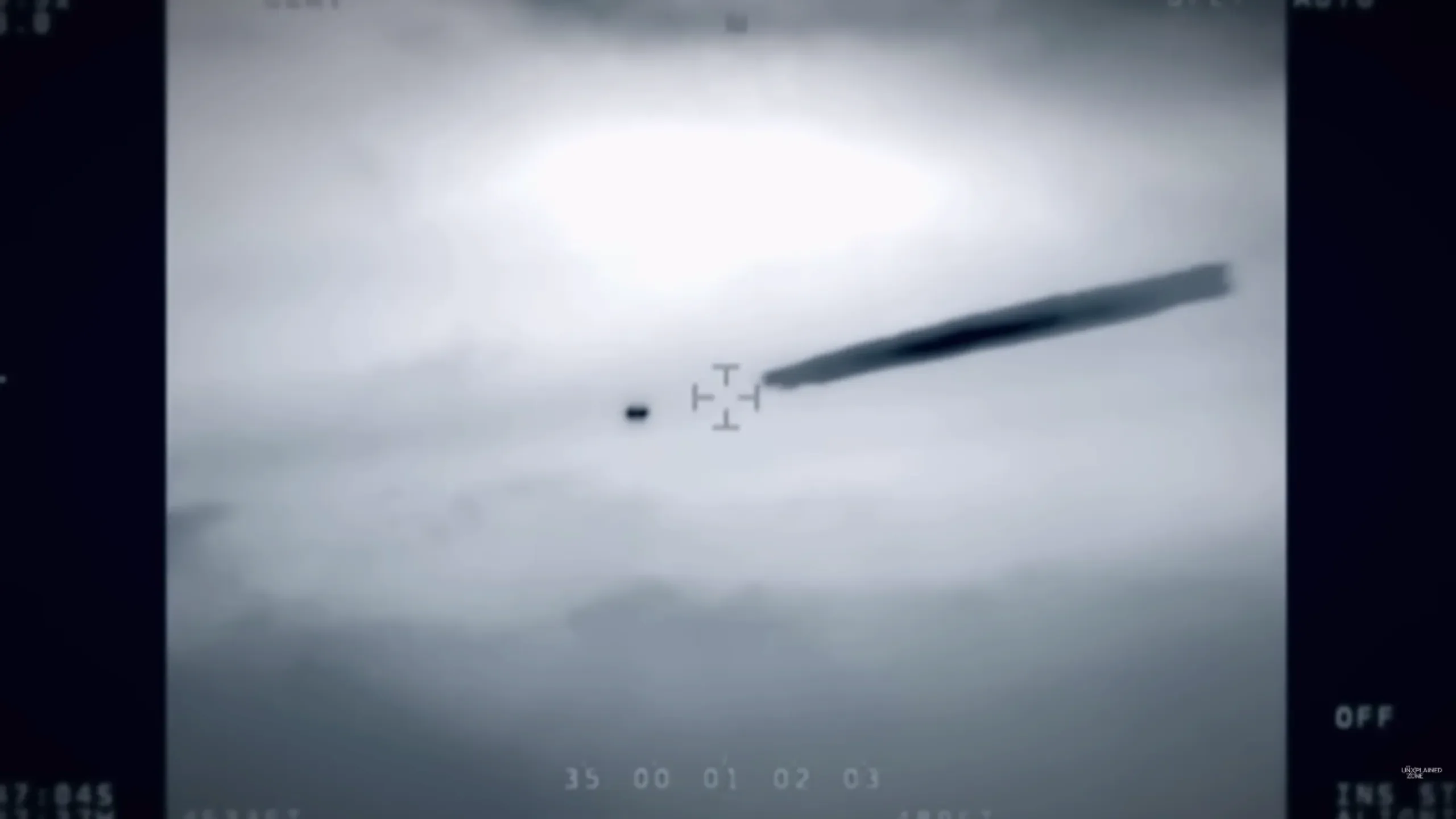
The nature of these revealed documents varies, with some featuring black-and-white military imagery of airborne objects. Reports suggest these files detail sightings dating back decades, encompassing a range of phenomena, including objects exhibiting unusual flight characteristics. The 'AARO UAP Imagery' section on the AARO website, for instance, assesses with "high confidence" the presence of a physical object, though it notes no "anomalous performance characteristics" were demonstrated.
Read More: Tibetan Permafrost Thaw Releases Ancient Carbon, Risks Climate Tipping Point
Domestic Calls for Deeper Research
Within Japan itself, there are growing calls from defense experts and lawmakers for more rigorous UAP research. A parliamentary group, led by Hamada, focuses on analyzing UAP from a security perspective. This domestic impetus arises from numerous reported UAP sightings near sensitive Japanese sites, underscoring the perceived need for more dedicated monitoring and study.
The debate over UAP is further complicated by viral media, such as a clip showing bright objects moving at high speeds over Japan. Such content highlights the challenge of differentiating credible evidence from widespread misinformation, prompting security analysts to emphasize the need for robust protocols. While the viral footage remains unverified and its origin — whether atmospheric illusion or something more — is subject to speculation, it serves as a catalyst for formalizing Japan's UAP procedures. The Self-Defence Forces are collaborating with U.S. military officials to standardize reporting, while civil aviation authorities are assessing potential safety risks.
Read More: 40 Die in Quetta to Peshawar Bus Crash in Balochistan on April 3 2026