:max_bytes(150000):strip_icc()/Its-A-Snap-FT-MAG-RECIPE-0325-ff2f257880644dc58f96d8d573c0aeaa.jpg)
As of April 15, 2026, the beverage market continues its annual cycle of rebranding basic alcohol-based mixtures under the label of "Spring." Aggregated data from consumer lifestyle publications reveal a persistent preference for high-acidity ingredients and floral infusions, effectively marketing temperature change through the glass.
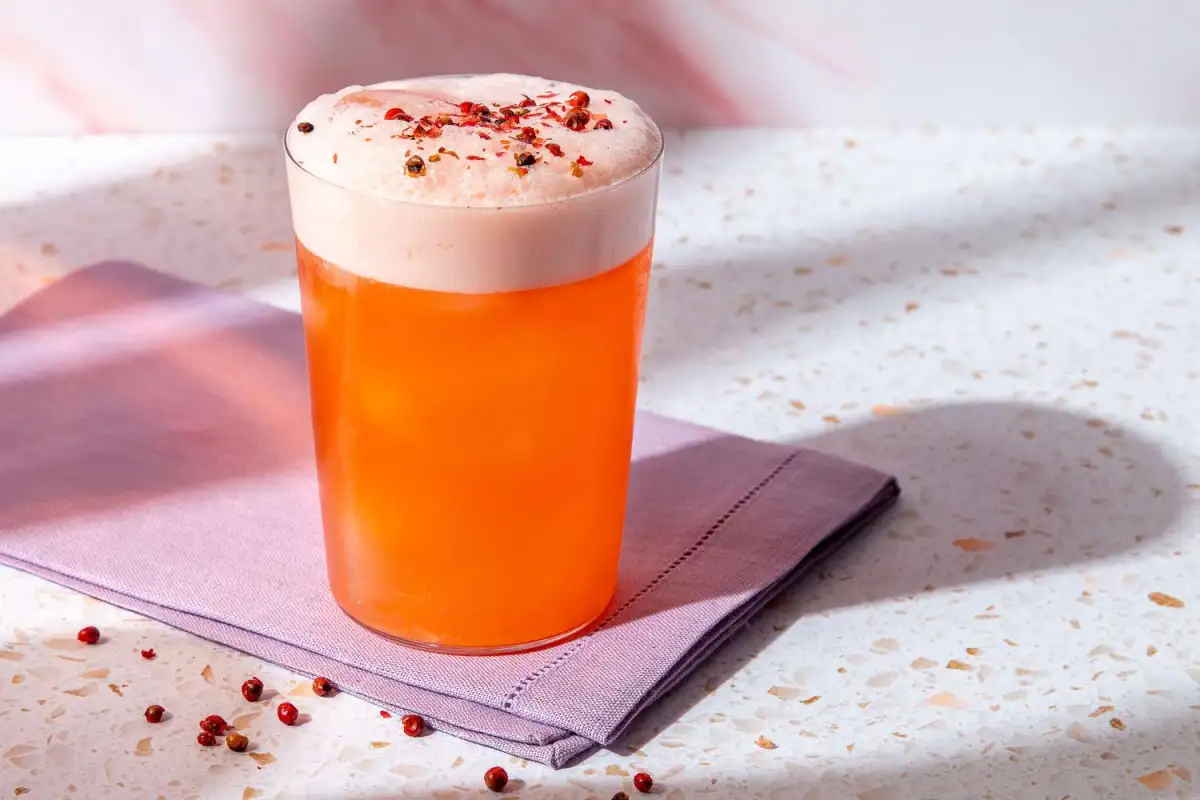
The industry standard for "Spring" liquid consumption remains anchored to the Spritz, citrus-forward margaritas, and shrub-based non-alcoholic alternatives. Market signals prioritize bright, acidic, and aesthetically "blooming" profiles, likely to mirror shifting daylight hours.
| Primary Category | Core Components | Market Driver |
|---|---|---|
| Spritz Variations | Prosecco, Soda, Aperol/Campari/Lillet | Social gathering framing |
| Botanical/Floral | Rose water, Basil, Rosemary, Hibiscus | Visual/aromatic branding |
| Acidic Fruit | Rhubarb, Grapefruit, Strawberry | Seasonal availability cues |
Trends in Mixology
The transition into warmer months is currently being sold through specific preparation methods that emphasize freshness:
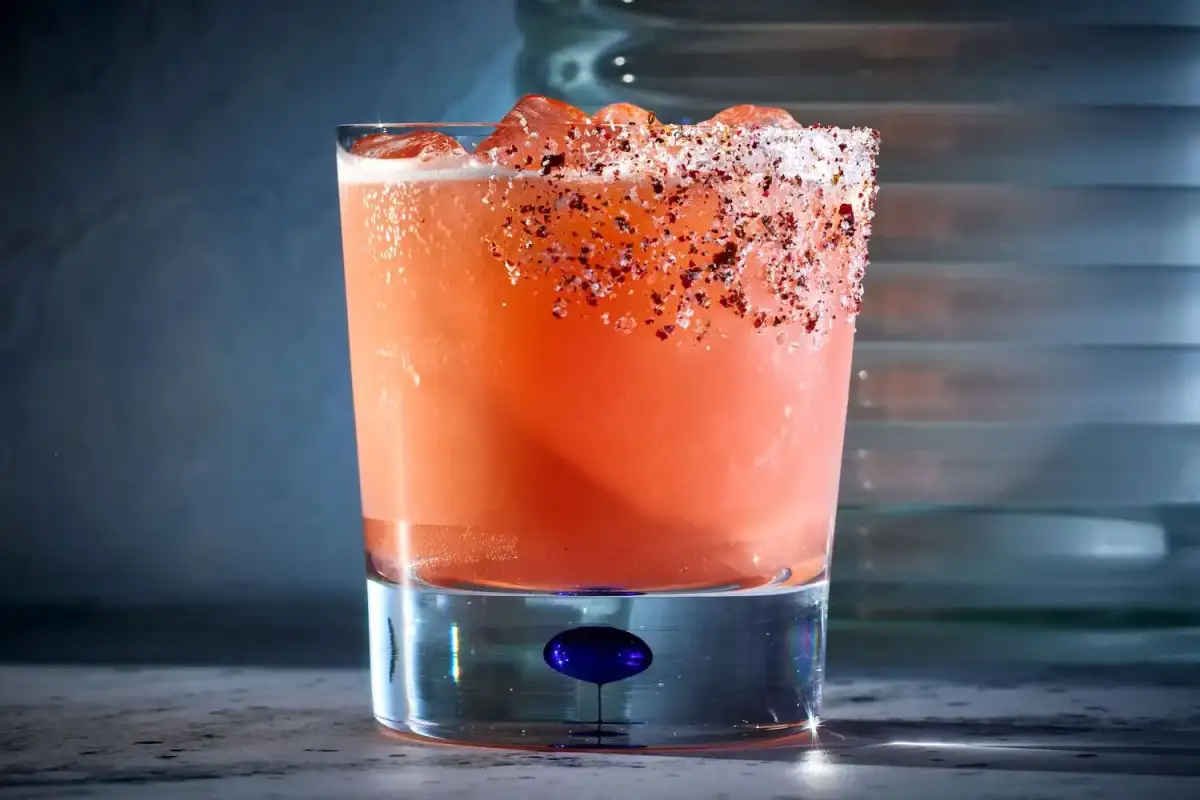
Fruit-Infused Spirits: Utilizing strawberries, carrots, or dragon fruit to create syrups or infusions is positioned as a method to elevate home bar credibility.
Shrubs and Non-Alcoholic Options: The incorporation of rose-scented shrubs and non-alcoholic "mocktails" suggests an attempt to capture the health-conscious demographic while maintaining high-price-point complexity.
The Spritz Infrastructure: Publication rhetoric emphasizes the "social occasion" nature of the Spritz, framing it as an essential tool for outdoor gatherings rather than merely a drink.
"When I pour myself a spritz in spring, I’m not just mixing a drink… it feels like I’m drinking liquid sunshine." — Cocktail Hag
Analysis of Seasonal Packaging
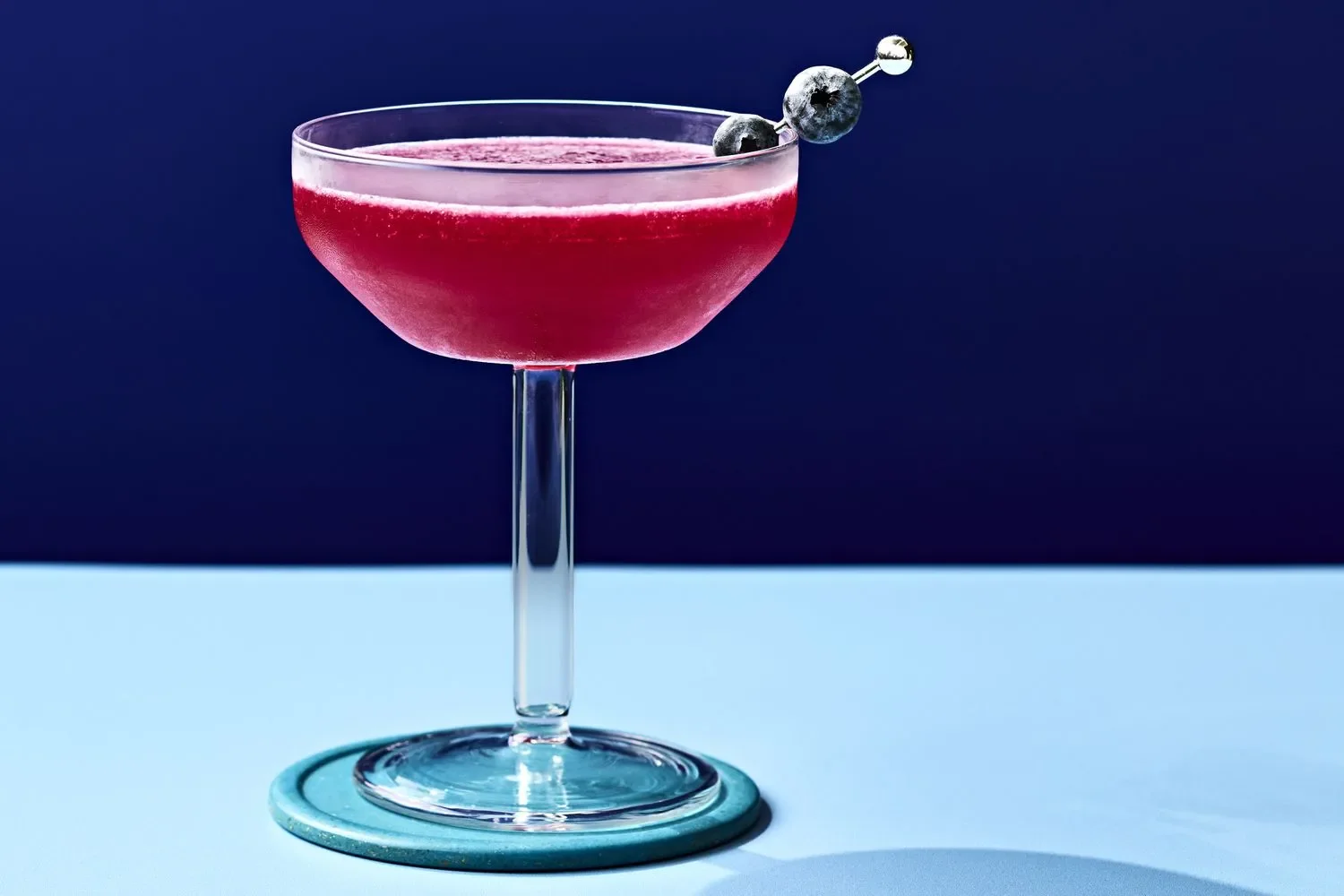
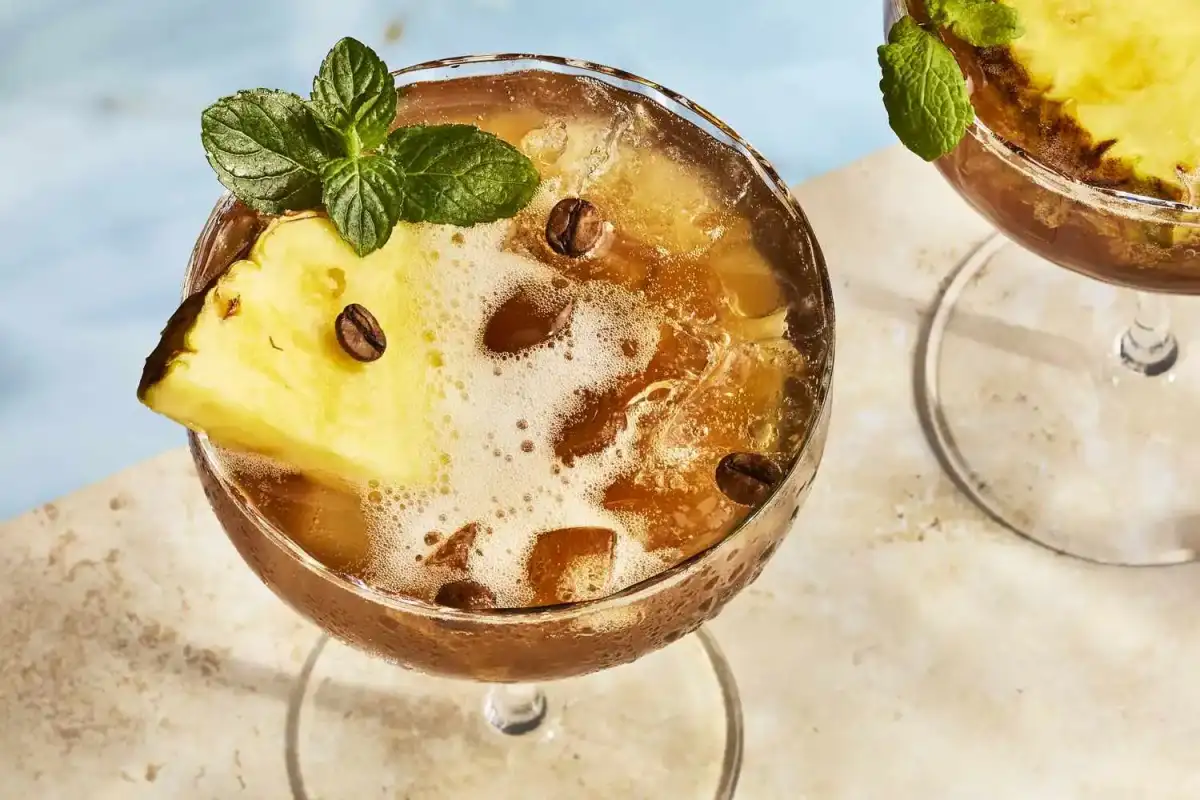
The marketing of these recipes relies heavily on sensory descriptors like "tart," "bittersweet," and "frothy." By coupling these terms with traditional ingredients—such as Don Julio Reposado tequila or St-Germain elderflower liqueur—the narrative shifts from simple consumption to an curated experience. The reliance on garnishes and specialized glassware (goblets, chilled stems) serves as a visual indicator of the "spring transition," ensuring the product is identifiable as seasonal within social media landscapes.
Read More: King Arthur Cafe Site Becomes Tino Bistro in Late April
Background: The Seasonal Cycle
The documentation shows a predictable pattern of media saturation occurring between January and April each year. These articles—published across How Sweet Eats, Food & Wine, and Cosmopolitan—function as cultural mirrors. By framing ingredients like rhubarb and grapefruit as "spring-essential," these platforms reinforce a cycle of perpetual consumption, effectively replacing winter-associated heavy alcohols with lighter, more acidic alternatives to coincide with the northern hemisphere’s climatic shifts.