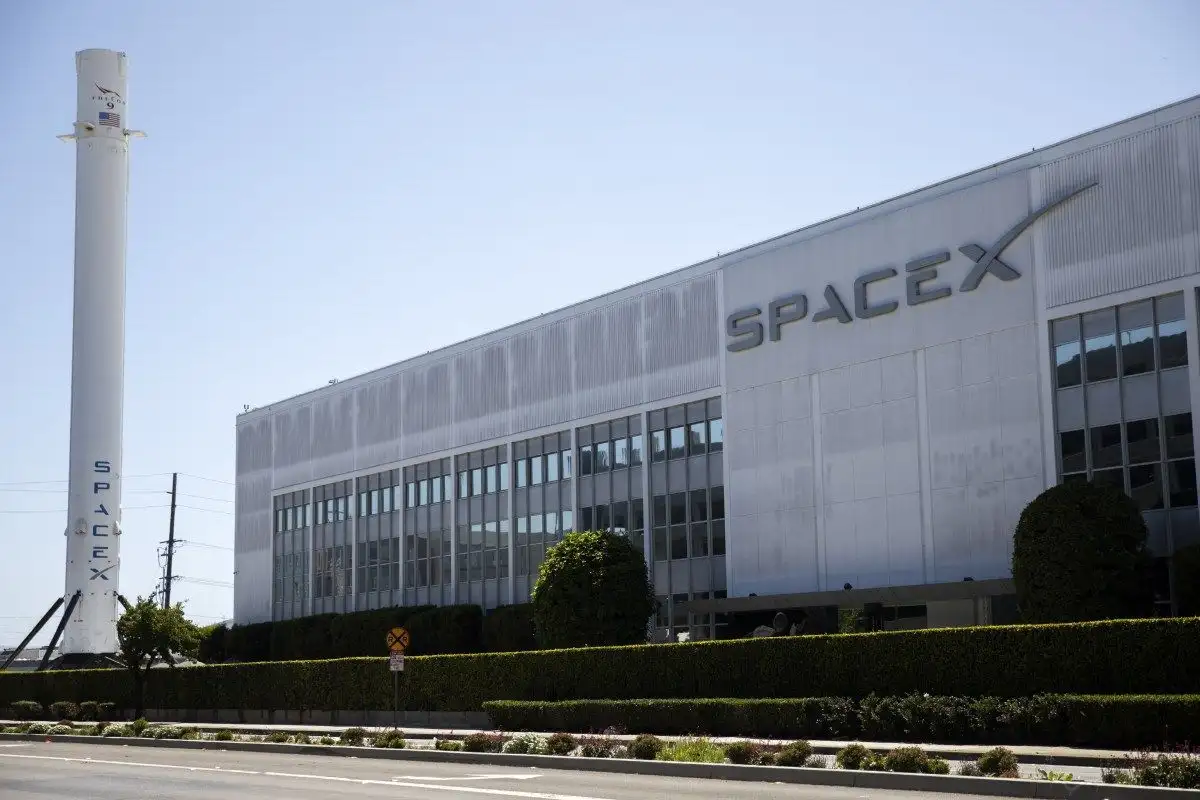
SpaceX, under the direction of Elon Musk, has lodged plans for a monumental $55 billion semiconductor manufacturing facility, designated "Terafab," slated for Texas. This ambitious undertaking aims to directly address the escalating demand for specialized chips crucial for AI development, autonomous vehicles, and space exploration endeavors across Musk's affiliated companies: Tesla, SpaceX, and xAI.
The scale of the proposed investment, totaling $55 billion, positions Terafab as a significant player in domestic chip production. The facility's construction is envisioned in multiple phases, a move intended to bolster manufacturing capacity. This initiative signals a strategic pivot to internalize critical component production, bypassing what Musk describes as the inability of existing global chip suppliers to meet the projected needs of his ventures.

The project's blueprint indicates a need for external expertise, even as it seeks to bring chipmaking in-house. The filings, made public on a Wednesday, underscore a drive to integrate chip fabrication within Musk's corporate network, targeting a major bottleneck in AI advancement: the scarcity of advanced chips.
Read More: Chrome mimeHandler API lets extensions handle file types
Grimes County officials are slated to hold a public hearing on June 3rd to deliberate on potential property tax abatements for the Terafab project. This local engagement is a key step in securing the necessary permissions and financial structures for the massive build-out.

Broader Implications and Ambitions
The Terafab facility is designed to produce chips supporting a range of applications, from Tesla's self-driving systems and the development of Optimus humanoid robots to powering large-scale AI data centers. The long-term vision extends to supplying chips capable of supporting 100 to 200 gigawatts of computing power on Earth, and a terawatt in space.
This venture into semiconductor manufacturing marks a significant step for Musk, who, despite lacking prior experience in the field, perceives it as essential. The rationale centers on geopolitical risk mitigation and ensuring a stable supply chain for computing power that is projected to far outstrip the capacity of current global suppliers.
Read More: Texas Rangers beat Detroit Tigers 10-4 on July 2 2026 in Arlington
Context and Antecedents
While the $55 billion figure represents the initial announced investment for Terafab, other reports suggest the total cost for the chip factory could escalate significantly, with one filing indicating a potential expenditure of up to $119 billion. Musk also mentioned plans for a smaller, $3 billion research fabrication plant at Tesla's Austin facility, capable of producing a few thousand wafers monthly. SpaceX is reportedly set to lead the initial phase of the scaled-up Terafab.
This strategic move by Musk and SpaceX follows Tesla's recent earnings call, where the necessity of securing chip supply was emphasized. The company plans to utilize Intel's forthcoming 14A process for chip production at the facility. Intel's stock has seen considerable growth, with April marking its best-performing month.