:max_bytes(150000):strip_icc():focal(749x0:751x2)/robot-southwest-plane-051826-8d13a223c9a2499da3c99bc747268eab.jpg)
Southwest Airlines has formally banned humanoid and animal-like robots from both its cabins and checked baggage. The policy clarification, effective May 15th, stems directly from safety concerns surrounding lithium-ion batteries, a core component in these devices.
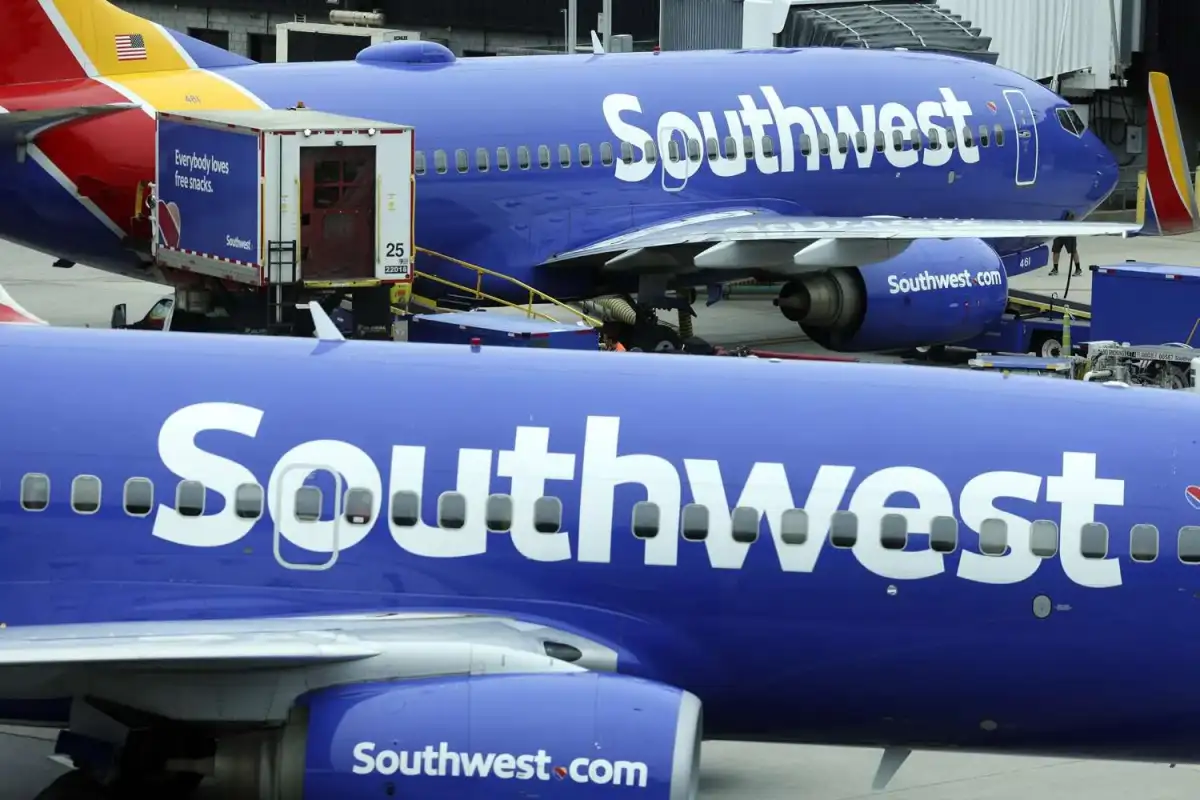
The airline's decision solidifies a stance against these specific robot types, irrespective of their size or intended use, following a series of recent, highly publicized incidents where such robots traveled on its flights. These events appear to have exposed a previously unaddressed gap in the airline's operational rules.

Viral Incidents Preceded Policy Shift
The airline's updated policy arrives on the heels of a viral incident involving a 3.5-foot humanoid robot named Stewie. Owned by Aaron Mehdizadeh of The Robot Studio, Stewie was afforded his own seat on a Southwest flight from Las Vegas to Dallas. Another robot, Bebop, owned by Eily Ben-Abraham of Elite Event Robotics, also made headlines after appearing on a Southwest flight from Oakland to San Diego, reportedly causing delays.
Read More: Fresno Airport $85 Million Funding Boost Improves Travel in April 2026
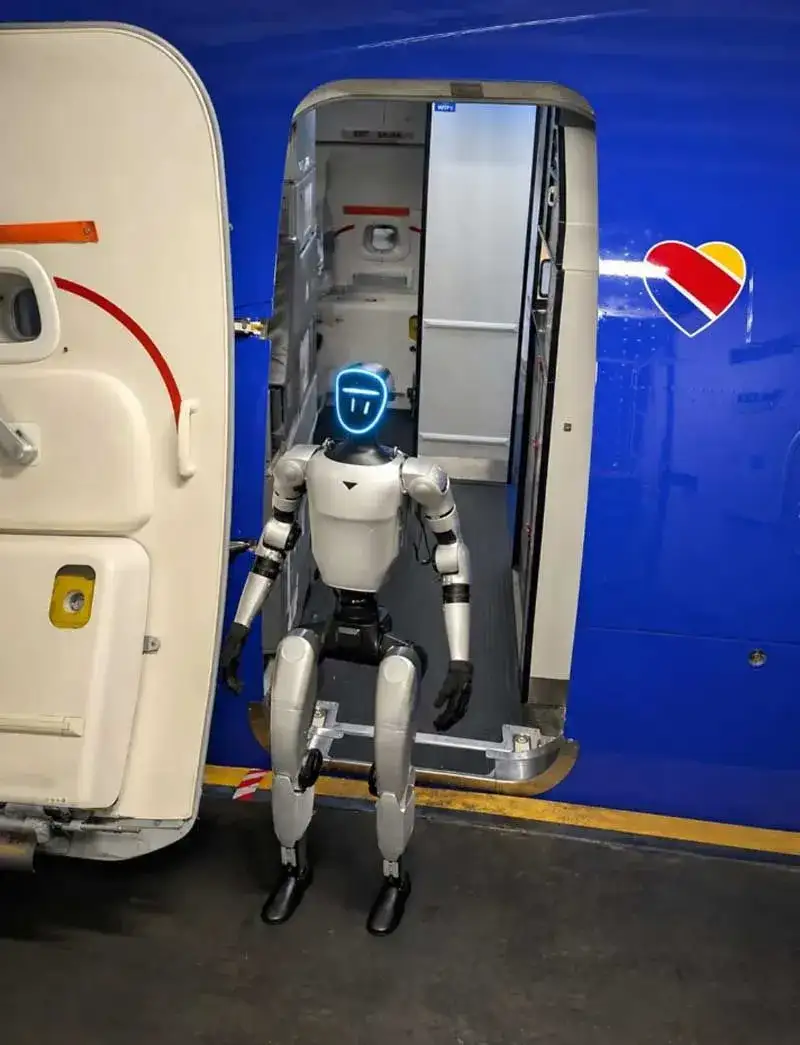
Mehdizadeh, whose robot Stewie is typically rented for events, has reportedly disagreed with the airline's assessment, suggesting the battery used was comparable to those found in laptops. However, Southwest's directive is clear: a clampdown on battery-powered devices.
Battery Restrictions: A Broader Airline Concern
Southwest's intensified focus on batteries is not entirely new. The airline began cracking down on batteries last year, citing potential combustion risks. Their existing restrictions limit mobile power banks, which utilize similar battery technology, to 100 watt-hours. Passengers are also prohibited from charging devices within their carry-on baggage.
While humanoid and animal-like robots are now explicitly forbidden, Southwest does allow for other types of robots. These must fit within the confines of a carry-on bag and strictly adhere to the established battery regulations. This suggests a nuanced approach, targeting specific form factors and their associated power sources, rather than a blanket prohibition on all robotic technology.
Read More: Chrome mimeHandler API lets extensions handle file types
Background: Integrating Automation and Air Travel
The incidents highlight a burgeoning, yet complex, intersection between advancing robotics and established public transportation protocols. As robots become more prevalent in various sectors – from warehouse operations to package delivery trials and even domestic tasks like laundry folding – their integration into everyday travel presents new logistical and safety challenges. The current airline policy suggests a cautious approach to accommodating these autonomous devices, prioritizing existing safety guidelines over their novel inclusion in passenger travel.