
RAMALLAH – An unsettling pattern emerges from the occupied West Bank: Palestinian villages are being vacated, not by state decree, but by relentless pressure from Israeli settlers. Residents report a pervasive atmosphere of fear, fueled by escalating settler violence and a perceived lack of protection from Israeli authorities. The consequence, according to numerous accounts, is the gradual expulsion of Palestinian communities from their ancestral lands.
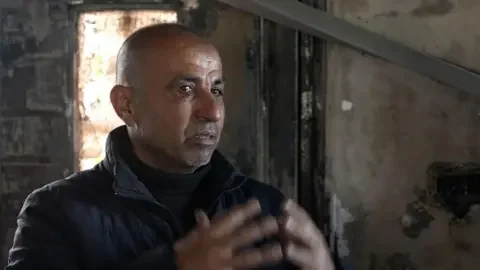
Palestinian communities in the West Bank are reporting forced displacement due to persistent settler attacks, often finding official investigations into these incidents inconclusive or nonexistent.
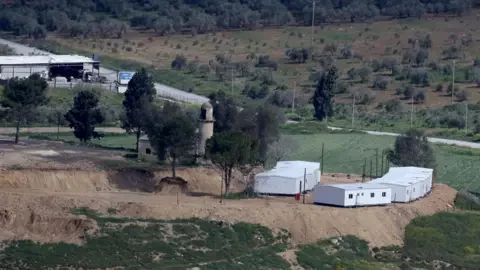
Incidents paint a stark picture of life under siege. In Khallet a-Sidra, an entire village fled after Jewish extremists attacked in January. Residents of Mukhmas report daily settler incursions, with police stating investigations are impossible without identifiable assailants, even when masked. Similarly, the Bedouin hamlet of Mouarrajat is now a "ghost town," its 75 families forced to leave their sheep and homes after facing gunfire from settlers. The village of Ras Ein al-Auja has also seen its residents barricade themselves in their homes, terrified of settlers who now graze flocks near their dwellings and prevent local shepherds from accessing traditional grazing lands, sometimes stealing or poisoning their livestock.
Read More: Man Dies After Setting Fire Outside UN in Protest
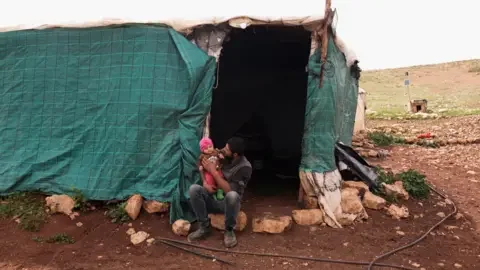
The narrative from the ground suggests a systemic issue, with Palestinians claiming that Israeli authorities are not acting to protect them. Some reports indicate that when settlers harm Palestinians, it is often framed as self-defense, and official investigations are either not automatic or conclude without identifying perpetrators. The result, as described by residents of Deir al-Hatab, is a sense that "they’re allowed to do what they want."

This surge in settler activity is occurring "in the shadow of war," as described by some observers, potentially exploiting the broader regional instability. International legal bodies have weighed in, with the International Court of Justice ruling in July 2024 that Israel's 59-year occupation of Palestinian territory is unlawful and that Israeli authorities are responsible for apartheid. The court also ordered Israel to evacuate settlers from the West Bank, allow displaced Palestinians to return, and provide compensation.
Read More: Eight arrested in Mukhmas West Bank raid on 7 April 2026
Despite legal pronouncements, including an Israeli court ruling that the displaced residents of Khirbet Zanuta were entitled to return under protection, the reality on the ground appears different. These legal rights, though recognized in specific cases, seem insufficient to counter the sustained pressure and intimidation tactics employed by settlers. Outposts established by settlers are often erected without Israeli government approval, and all settlements are considered illegal under international law, a classification Israel disputes. The assertion by some sources that Israel's actions amount to ethnic cleansing of Palestinians is strongly rejected by Israeli authorities.
Read More: Manipur Voter List Changes Affect 59,000 Displaced People
The geographical scope of these actions is also expanding, with settler violence increasingly targeting built-up Palestinian villages in Area B of the West Bank. This area, while under Israeli security control, is intended to have Palestinian civil authority, highlighting the complex and contested governance of the territory.