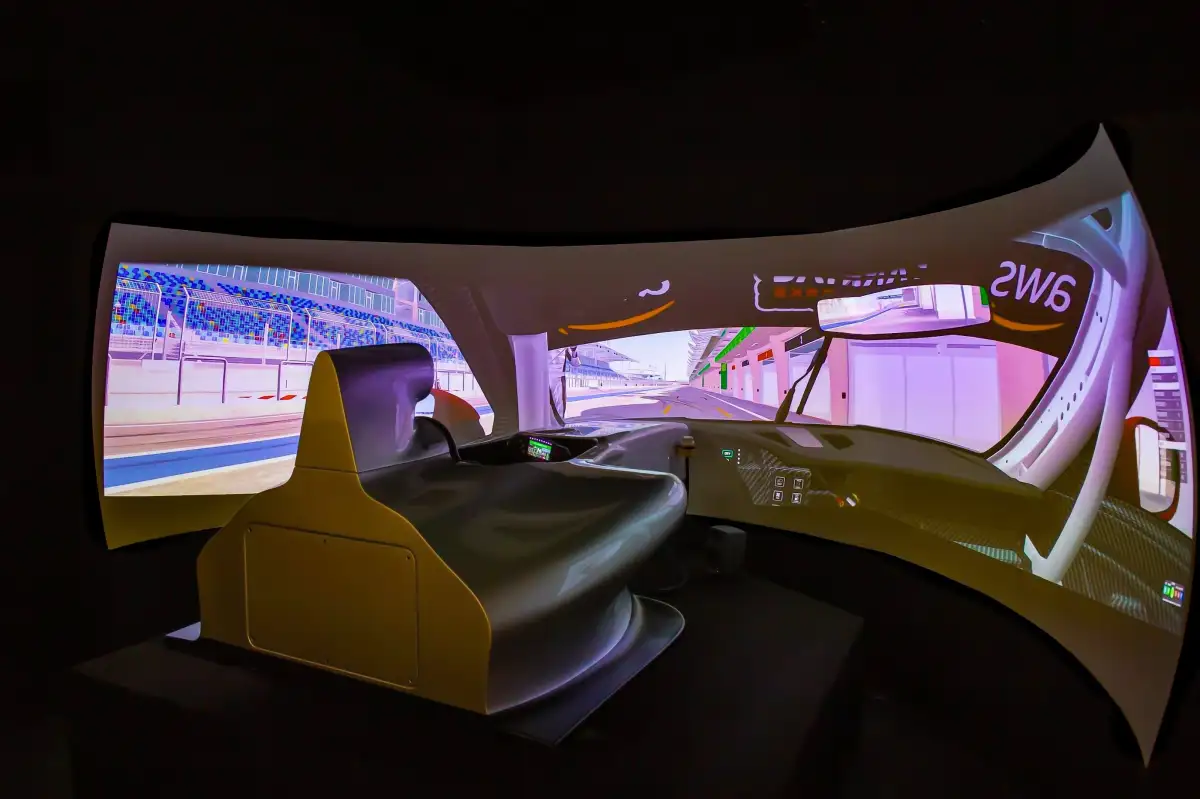
As of May 20, 2026, the boundary between digital emulation and physical track performance has largely dissolved. Professional racing teams have transitioned from viewing 'sim racing' as a peripheral activity to utilizing it as a foundational infrastructure for scouting, vehicle development, and driver conditioning.

Professional motorsport has integrated sim-based data metrics into formal recruitment pipelines, turning digital proficiency into a prerequisite for high-stakes, real-world racing careers.
| Integration Stage | Function |
|---|---|
| Scouting | Teams use digital leaderboards as primary talent funnels. |
| Preparation | Real-world drivers use simulators to map track evolution. |
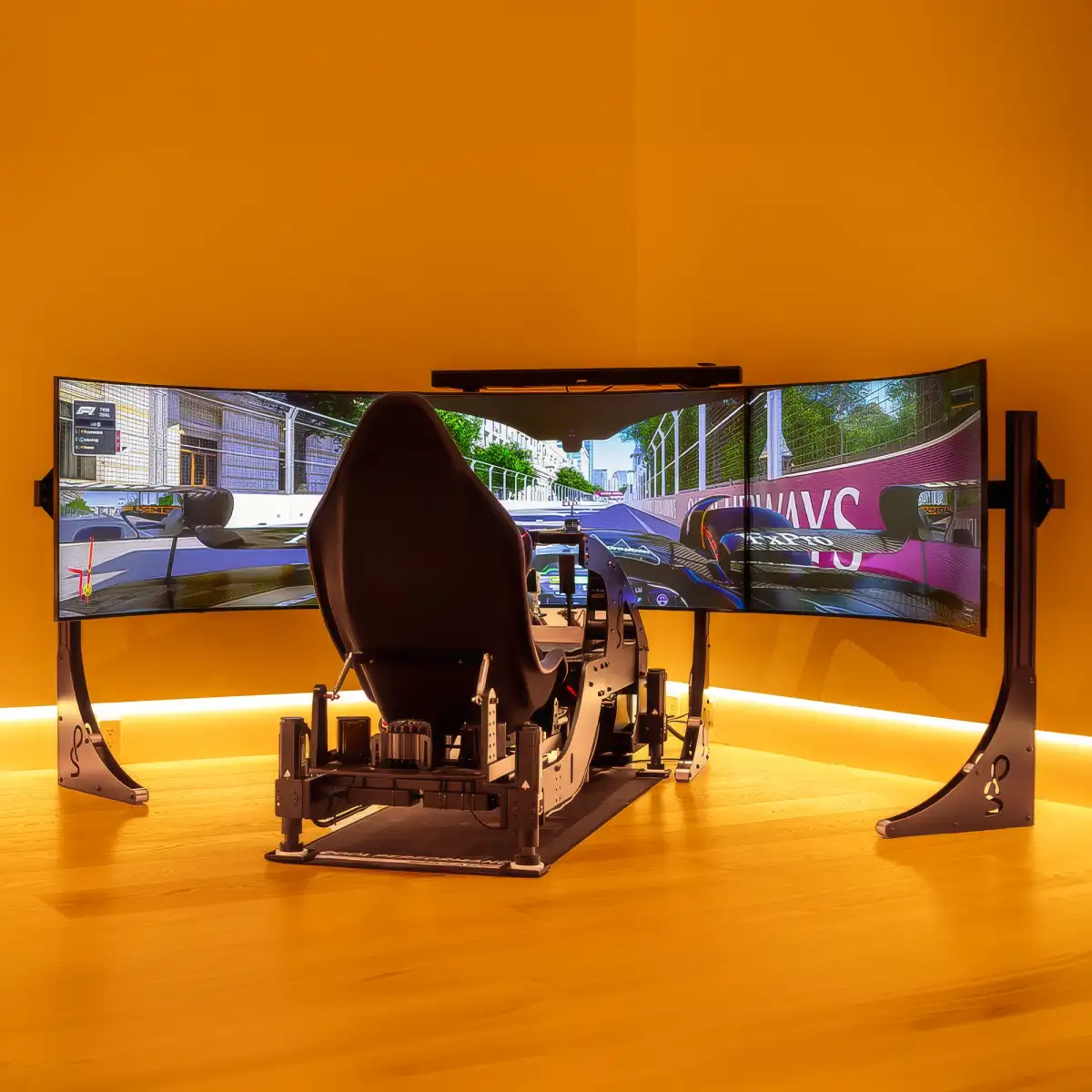
| Engineering | Simulator specialists conduct aero and chassis setup work. |
The Mechanics of the Pipeline
The shift relies on the high-fidelity feedback loops provided by modern simulation software. Professional organizations now employ virtual racers as development drivers to refine car setups—work previously restricted to track-side testing. This process acts as a bridge where, in a notable convergence, the top-performing sim athlete is granted track access while real-world competitors are trained on industrial-grade simulation hardware to sharpen precision.
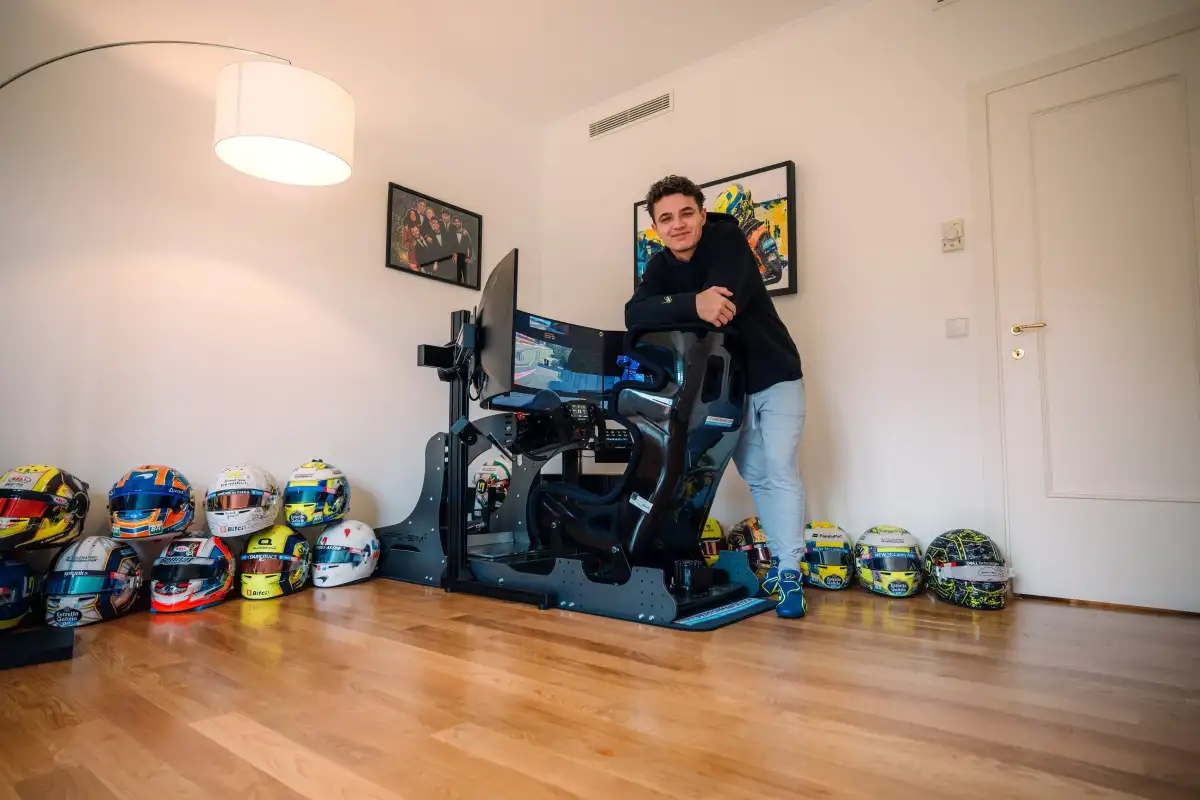
Drivers arrive at race weekends with thousands of virtual kilometers logged on the specific circuit layout.
Academic institutions and private training schools have rewritten their curricula to place simulator proficiency on equal footing with karting.
The ' GT Academy ' remains the primary historical reference for this transition, having validated that digital motor skills are directly transferable to physical vehicle dynamics.
Industry Commodification
The financial footprint of this shift is measurable. Since 2023, the industry has seen an influx of capital, with professional organizations legitimizing virtual series through official sponsorships and equipment standards.
Read More: Christian Horner to Attend 2026 British Grand Prix

"The next champion standing on an F1 podium may well have taken their first racing steps not on a kart track, but in a racing simulator." — Industry consensus regarding evolving driver development models.
While observers often link this growth to broader shifts in sports betting—which has unintentionally boosted the visibility of virtual racing—the core driver is engineering necessity. Teams are under constant pressure to maximize data-driven improvement, and the simulation environment offers a testing ground for experimental race formats and mechanical configurations that are too costly or regulated to attempt in real-time.
Historical Context: The De-Nichement of Simulation
Historically, digital driving was dismissed as a niche pastime. This changed as the barrier to entry for physical motorsport rose—karting requires significant capital, whereas virtual platforms provide a low-cost, high-frequency talent pipeline.
By incorporating Training Without Limits methodology, modern teams are no longer just hiring drivers; they are hiring analysts who can communicate complex mechanical feedback. This structural change ensures that as of today, the racing simulator is no longer a 'game' or an 'accessory'—it is a mandatory component of the contemporary motorsport ecosystem.
Read More: Virtua Fighter 8 Name Revealed at Summer Game Fest 2026