FBI Director Kash Patel is currently facing public and political fallout following reports that he participated in a "VIP" snorkeling excursion over the wreckage of the USS Arizona in Hawaii last summer. The outing, which occurred during what the agency officially categorized as a series of national security engagements, was not disclosed in contemporary press releases regarding his travel.
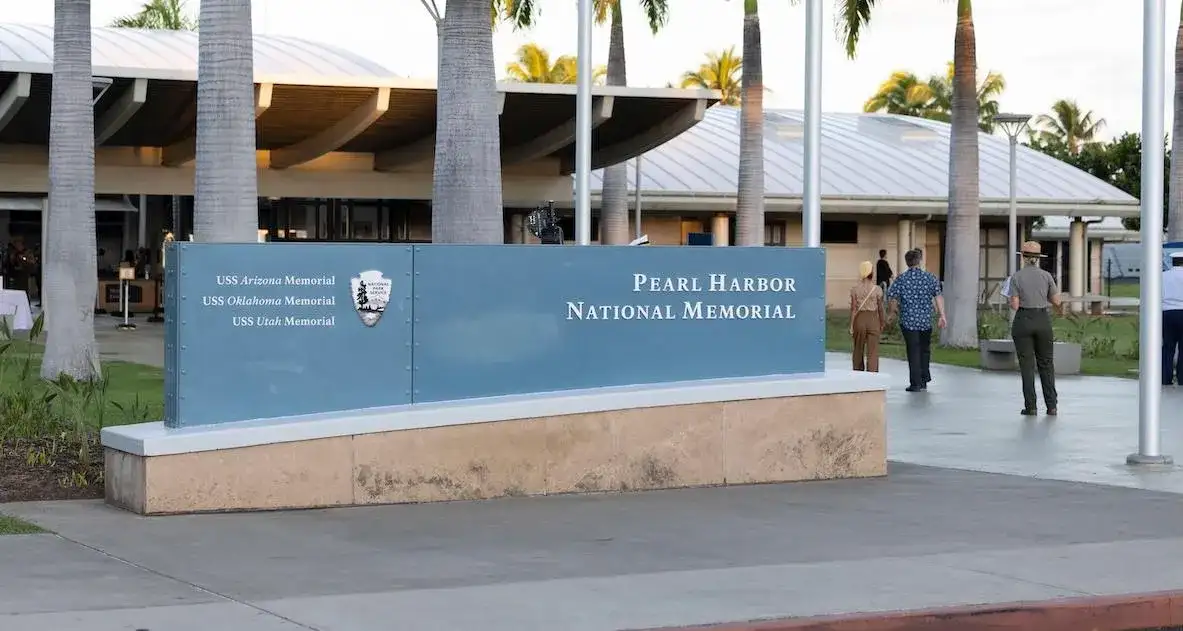
The core contention centers on the ethics of using sensitive war memorial sites for non-official activities. Records indicate that over 900 service members remain entombed within the USS Arizona site, leading critics to label the activity as inappropriate for a high-ranking political official.
Reported Sequence and Discrepancies
The timeline of the August visit, revealed through internal communications, presents several irregularities regarding the transparency of the Director's schedule:

Official Narrative: The FBI stated the trip focused on meeting personnel at the Honolulu Field Office and fostering interagency partnerships following meetings in New Zealand and Australia.
The Excursion: Documentation confirms Patel took a private snorkeling trip at the memorial. The agency has defended the event as a "historical tour to honor heroes," distinct from recreational use.
Missing Transparency: The bureau did not list a secondary, two-day return stop to Hawaii in its initial public summaries of the Director's movements.
Contextualizing Political Tension
This incident arrives during a period of heightened pressure on Patel regarding his professional conduct and personal habits.
Read More: Maui float therapy helps wildfire survivors with PTSD concerns

| Allegation | Status |
|---|---|
| Alcohol Consumption | Senate inquiries active; Patel has faced requests for alcohol use disorder testing. |
| Asset Usage | Previous reports alleged unauthorized use of a $60 million FBI jet for personal travel. |
| Memorial Conduct | Public criticism regarding the Pearl Harbor event continues to mount. |
Reflective Summary
The reaction to these events—ranging from congressional hearings to inclusion in public crosswords—suggests a growing instability in the perception of the Director’s office. The investigation into the snorkeling trip is less about the water itself and more about the blurred line between a public servant’s official duty and the personal access afforded by his position. While the FBI maintains the excursion was part of legitimate engagement, the lack of disclosure regarding the itinerary suggests a systemic breakdown in the transparency protocols expected of the agency's leadership.