[06/06/2026] - Scientists engaged in the search for extraterrestrial intelligence (SETI) have revised their guidelines for handling potential discoveries of intelligent life beyond Earth. The updated protocols aim to preempt widespread confusion, misinformation, and panic that could arise from announcing unverified signals, a concern amplified by the rapid dissemination of information in the age of social media.
The core of the new guidance centers on rigorous verification and controlled communication. Researchers are now expected to undergo thorough confirmation processes, including peer review of verification reports, before any public announcement is made. This emphasis on due diligence is intended to prevent premature claims, what Professor Michael Garrett, chair of the International Academy of Astronautics (IAA) committee for SETI, terms "crying alien" too soon.

The evolution of these protocols directly confronts the challenges posed by platforms like social media, which have drastically altered how scientific news spreads over the past 15 years. The updated guidelines underscore the need for researchers to be proactive in managing the narrative surrounding any potential discovery to avoid its distortion. This "control the narrative" aspect, as described by Garrett, is a crucial addition, acknowledging that any detection would likely emerge unexpectedly, perhaps from scientists not directly involved in SETI.
Read More: Indigenous Data Rights Now Key in Conservation Genomics

While the guidelines are not legally binding, they are considered significant by those in the field. The updated protocols reflect a long-standing commitment to transparency within the SETI community, according to Dr. Rebecca Charbonneau, a historian of science at the SETI Institute. She notes that these revisions are a response to the current digital landscape, aiming to keep the public informed and engaged in the "adventure of looking for life in the universe" while maintaining scientific integrity.
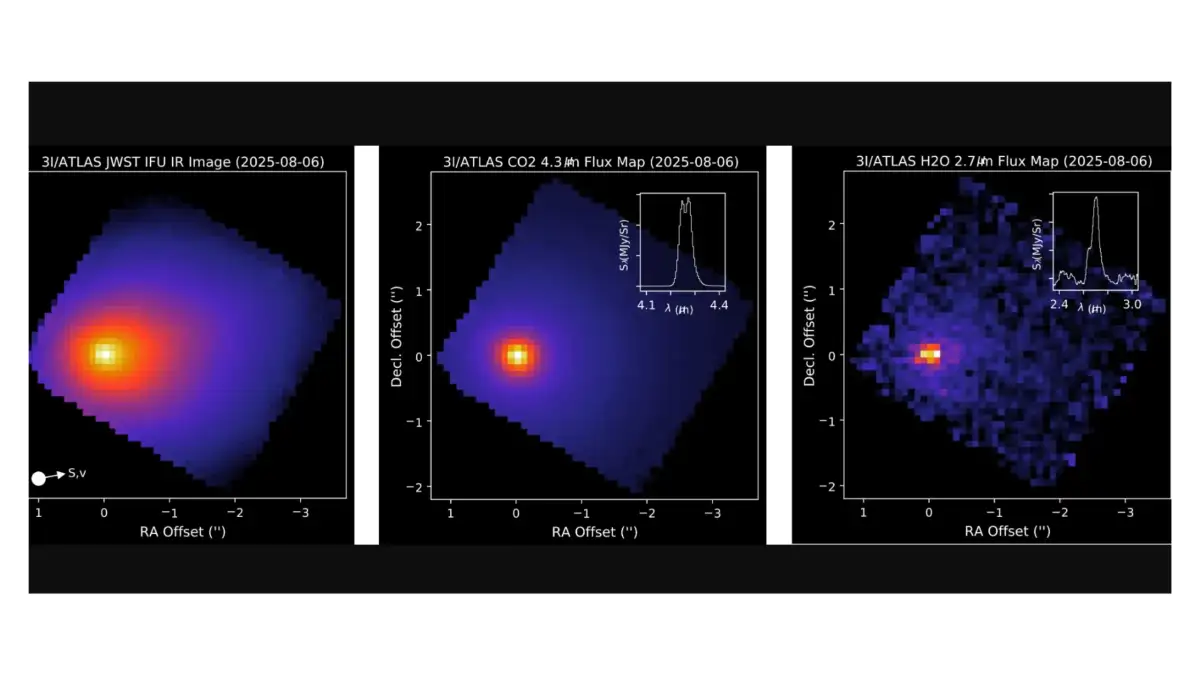
The revisions also surface amidst renewed interest in extraterrestrial possibilities, such as the interstellar object 3I/ATLAS, detected late last year. This renewed intrigue, coupled with the SETI Institute and IAA's proposed modifications to their post-detection frameworks, has also ignited discussions around transparency and the public's right to know, with some voicing concerns about potential censorship or government control over such monumental information.
Read More: Chrome mimeHandler API lets extensions handle file types
Background: A History of Hype and Hoax
Previous instances of tantalizing signals, alongside outright hoaxes, have informed the necessity for such structured communication. The SETI Institute and the International Academy of Astronautics (IAA) have long grappled with how to present potential evidence of extraterrestrial intelligence responsibly.
The broader context of searching for alien life includes speculative theories, such as the idea of "bored aliens" who may have ceased attempting contact with Earth due to the vastness of space or a technological plateau not dissimilar to our own, a notion explored in scientific discourse from last October. The pragmatism of the IAA committee remains a constant; they acknowledge that the timeline for a definitive discovery is uncertain, and any detection might come from unexpected sources.