Senate Republicans are pushing forward with a significant immigration funding bill, a move punctuated by internal party friction and a contentious debate surrounding a controversial "anti-weaponization fund" championed by President Trump. The legislation, designed to bolster funding for agencies like ICE and the Border Patrol, has become a focal point for intra-GOP clashes and strategic maneuvers aimed at bypassing Democratic opposition.

The core of the legislative push involves advancing a package to fund immigration enforcement agencies, utilizing a process known as reconciliation. This procedural tactic allows the bill to proceed with a simple majority, circumventing the need for Democratic votes, which have been largely withheld in protest.
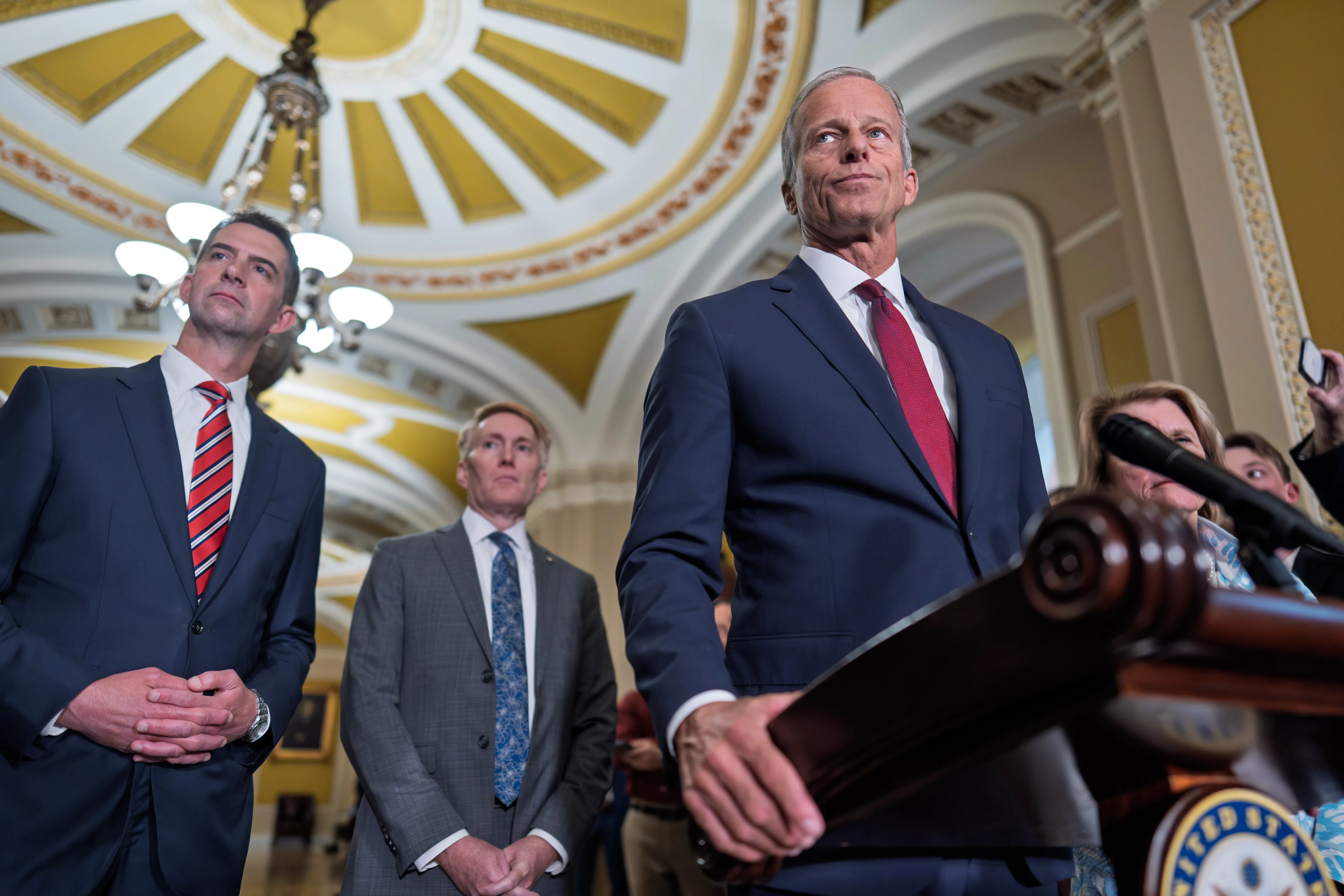
A key point of contention has been the fate of a proposed $1.776 billion "anti-weaponization fund" associated with the Justice Department. While the Trump administration has publicly stated its intent to drop the fund following congressional pushback, President Trump himself has continued to defend it, creating a fissure within the Republican ranks. Several Republican senators, particularly those facing re-election challenges in November, have voiced strong opposition to the fund, citing concerns about its potential misuse and political optics.
Read More: Taiwan Holds Nantou County Drills to Prepare for State Collapse
The 'Settlement Fund' Saga: A Dividing Line
The debate over the "anti-weaponization fund," which some sources describe as a "settlement fund for political allies," has led to several Republican senators breaking ranks. Notably, Senator John Curtis of Utah has expressed an interest in exploring restrictions for such funds to prevent misuse. Senator Bill Cassidy of Louisiana has also been a vocal opponent. Despite assurances from acting Attorney General Todd Blanche that the fund would be terminated, lingering skepticism among some Republicans remains, with a desire for concrete, written guarantees before final passage.
The legislative maneuvering has also seen the removal of a separate proposal for White House security, including a nearly $1 billion allocation for a new ballroom project, from the immigration bill. Republican leaders reportedly concluded that this provision risked derailing the broader immigration measure. The White House, however, has contested this, suggesting the removal was due to procedural rulings rather than an affirmative choice to abandon the project.
Read More: US 250th Anniversary: Pride Divided by Politics
Procedural Battles and Future Votes
The Senate is currently engaged in an extended series of votes, colloquially termed a "vote-a-rama," on various amendments related to the immigration funding bill. Democrats are reportedly using this process to introduce politically challenging amendments, including further efforts to permanently ban Trump's settlement fund. While a recent Democratic amendment aimed at eliminating the fund failed by a narrow margin, it highlighted the internal divisions within the GOP.
The bill's path forward, despite Republican efforts to unite behind a partisan strategy, is not without potential obstacles. Senate Majority Leader John Thune has indicated that securing a unified Republican front on the immigration bill itself is not yet guaranteed, underscoring the persistent internal friction.
Background Context
This legislative push comes after months of Democratic opposition to funding for immigration enforcement agencies. The current Republican strategy aims to pass a narrowly tailored bill without Democratic support, leveraging the reconciliation process. The inclusion and subsequent removal of the Trump-backed funds, along with the ongoing debate over the "anti-weaponization fund," have turned what was intended to be a unifying immigration enforcement agenda into a point of internal conflict for the Republican party, particularly with midterm elections on the horizon.
Read More: FBI Analysts Review Georgia 2020 Election Data in Fulton County