The passage of the Safeguard American Voter Eligibility (SAVE) America Act by the House of Representatives has sparked significant debate, highlighting a clear division between proponents who assert the bill is crucial for election security and opponents who argue it creates undue barriers to voting. Homeland Security Secretary Kristi Noem has been a vocal advocate, emphasizing the need to prevent fraud and ensure only eligible citizens cast ballots. Conversely, critics express concern that the new requirements could disenfranchise millions of eligible voters, particularly those who have faced challenges with name changes or may lack the specified identification.
Context of the SAVE America Act
The SAVE America Act, a Trump administration priority, passed the House of Representatives on a largely party-line vote. The legislation introduces several key provisions aimed at bolstering election integrity.

Proof of Citizenship: The bill mandates that individuals must prove their U.S. citizenship when registering to vote. Acceptable documentation typically includes a U.S. passport or birth certificate.
Photo Identification: It also requires voters to present a valid photo identification before casting a ballot in federal elections.
Non-Citizen Voter Rolls: A related aim is to ensure that non-citizens are removed from voter registration lists.
The push for this legislation comes ahead of significant midterm elections, a timing that critics argue is deliberate. Federal law already prohibits non-citizens from voting in federal and state elections, but the SAVE America Act seeks to codify and enforce proof of citizenship more stringently. Some local jurisdictions currently allow non-citizens to vote in certain municipal elections.
Read More: US 250th Anniversary on July 7, 2026, sees 20% not celebrating
Key Provisions and Their Implications
The SAVE America Act's central tenets revolve around stricter verification of voter eligibility.
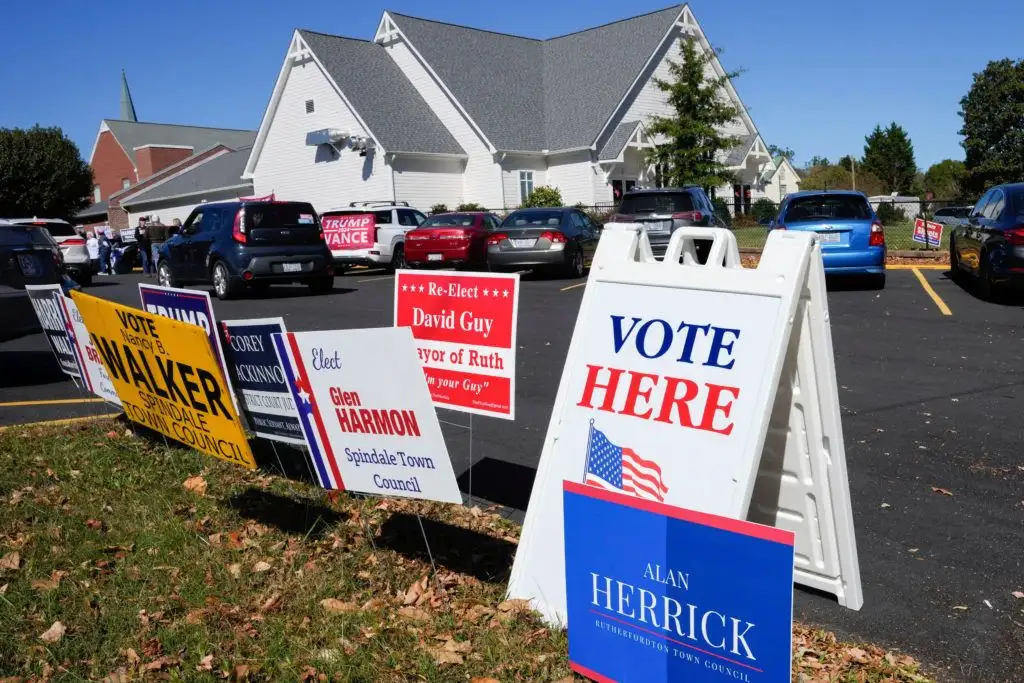
Proof of Citizenship at Registration
The act requires individuals to present proof of U.S. citizenship to register to vote.
Required Documentation: Primary forms of identification include a valid U.S. passport or a birth certificate.
Existing Practices: While federal law prohibits non-citizens from voting, current registration processes do not always mandate the explicit presentation of citizenship documentation, relying instead on attestations under penalty of perjury.
Potential Impact: Voting rights groups contend that this requirement could create significant hurdles for eligible voters, especially those who may have difficulty obtaining or presenting these specific documents.
Mandatory Photo Identification for Voting
A core component of the SAVE America Act is the federal mandate for voters to present photo identification at the polls.
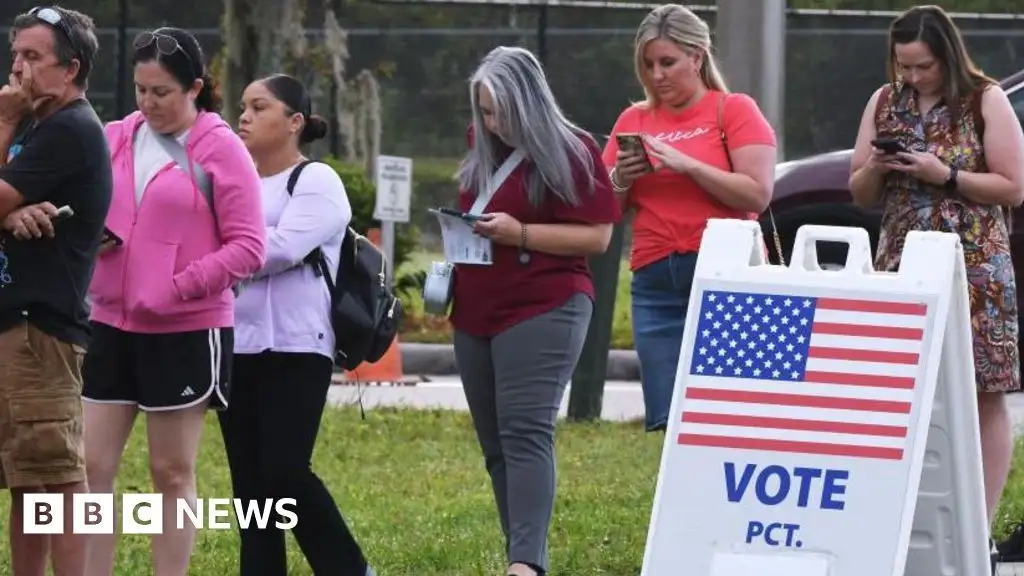
Federal Standard: This establishes a uniform federal requirement for photo ID in federal elections, though some states already have such laws in place.
Challenges for Specific Groups: Concerns have been raised that this could disproportionately affect certain demographics, including married women or LGBTQ+ individuals who have changed their names due to marriage, assimilation, or gender identity alignment, if their identification does not match their current legal name.
Implementation Concerns: Election officials note that implementing such a requirement broadly could add significant logistical burdens and costs for states, particularly with upcoming primary elections.
Debate Over Election Integrity and Access
Proponents of the SAVE America Act frame it as a necessary measure to prevent voter fraud and secure elections.
Noem's Stance: Homeland Security Secretary Kristi Noem has asserted there is "no room in the U.S. election system for fraudsters" and accused opponents of favoring ballot access for non-citizens. She has pointed to instances, such as an individual allegedly voting illegally and being elected mayor in Kansas, as justification for stricter measures.
"Radical Left" Opposition: Noem has criticized what she terms "radical left" opposition, suggesting these groups are against voter ID and proof of citizenship requirements.
Concerns of Fraud: Arguments for the bill often cite anecdotal evidence, such as voter registrations at mobile homes or boats, as indicators of potential fraud that requires more stringent verification.
Conversely, critics argue that the bill's requirements go beyond what is necessary and could suppress eligible votes.
Burden on Voters: Opponents, including voting rights groups and some state election officials, argue that the added requirements place an unnecessary burden on eligible voters.
Disenfranchisement Risk: They express concern that millions of Americans could be disenfranchised if they cannot meet the new documentation or identification standards.
Constitutional Questions: Some legal analyses suggest that a federal mandate for proof of citizenship for voting in federal elections may face constitutional challenges, as states traditionally hold significant authority in determining voting eligibility for federal elections.
Expert Analysis and Criticisms
The SAVE America Act has drawn reactions from various stakeholders, including election officials and legal scholars.
Logistical Challenges: Karen Brinson Bell of Advance Elections, a nonpartisan consulting firm, stated that the bill "adds numerous requirements for state and local election officials with no additional funding," raising concerns about practical implementation.
"Unnecessary Burden": Critics argue that while voter ID laws are generally popular, the specific provisions in the SAVE America Act could be overly burdensome and discourage voter registration.
Constitutional Basis: Questions have been raised regarding the constitutional foundation of a federal mandate for proof of citizenship in voting, given the precedent of states' authority in managing federal elections.
No "Real ID" Clarity: Some analyses point out that standard "REAL ID" cards, which are designed for identification purposes, do not inherently display a citizenship indicator and may not suffice under the proposed act.
Conclusion
The House's passage of the SAVE America Act signifies a significant legislative move towards stricter voter verification requirements. Proponents, including Homeland Security Secretary Kristi Noem, maintain the act is essential for preventing election fraud and ensuring the integrity of the voting process. They point to instances of alleged irregularities as justification for such measures. However, a substantial coalition of critics, encompassing voting rights organizations, some election officials, and legal experts, argue that the act imposes unnecessary burdens on eligible voters, risks disenfranchisement, and may present logistical and constitutional challenges. The debate underscores a fundamental disagreement about the balance between election security and voter access, with potential implications for future elections and the administration of voting systems nationwide. The bill's progression to the Senate remains a critical next step in this ongoing legislative process.
Read More: New Voter Law May Make It Harder for Married Women to Register
Sources Used:
Fox News: https://www.foxnews.com/politics/noem-backs-save-america-act-slams-radical-left-opposition-voter-ids-proof-citizenship - Provides Homeland Security Secretary Kristi Noem's perspective and the core arguments for the SAVE America Act.
The Daily Signal: https://www.dailysignal.com/2026/02/13/want-to-cheat-noem-rips-conspiracy-theories-against-save-america-act - Focuses on Noem's critique of opposition and details of the SAVE America Act's requirements.
ABC News: https://abcnews.com/Politics/save-america-act-requiring-voter-id-proof-citizenship/story?id=130006795 - Explains the SAVE America Act, its requirements, and touches on the novelty of voter ID.
PBS NewsHour: https://www.pbs.org/newshour/politics/house-gop-pushes-strict-proof-of-citizenship-requirement-for-voters-ahead-of-midterm-elections - Details the House GOP's push, warnings from election officials, and the act's requirements.
BBC News: https://www.bbc.com/news/articles/crk845r4vlyo - Provides a clear explanation of what the SAVE America Act entails regarding voter registration and casting ballots.
The Conversation: https://theconversation.com/citizenship-voting-requirement-in-save-america-act-has-no-basis-in-the-constitution-and-ignores-precedent-that-only-states-decide-who-gets-to-vote-275658 - Analyzes the constitutionality of the citizenship requirement and states' roles in voting decisions.
NPR: https://www.npr.org/2026/02/12/g-s1-109745/house-pushes-strict-requirement-for-voters - Reports on the House GOP's push for strict requirements, election official warnings, and the bill's specifics.
PBS NewsHour: https://www.pbs.org/newshour/politics/how-the-save-america-act-would-make-major-changes-to-voting - Discusses the act's changes to voting and potential impacts, including disenfranchisement.
19thnews: https://19thnews.org/2026/02/house-passes-save-america-2026-act-married-women-vote/ - Highlights potential difficulties for married women and others with name changes, and the broader concerns about voter barriers.
The Guardian: https://www.theguardian.com/us-news/2026/feb/11/house-save-act-trump-elections-bill - Covers the House passage of the Trump-backed bill and mentions the difficulty of immediate implementation and proof of citizenship.
Anadolu Agency (AA): https://www.aa.com.tr/en/americas/explainer-us-voting-rights-battle-what-is-the-save-america-act/3827950 - Offers an explainer on the SAVE America Act, its federal photo ID mandate, and the stated goals from Trump and Republican allies.
English El País: https://english.elpais.com/usa/2026-02/12/us-house-of-representatives-passes-election-law-requiring-proof-of-citizenship-to-vote.html - Reports on the House passing an election law requiring proof of citizenship to vote.