A fresh survey on sanitary napkin vending machines and incinerators in schools sparks hope, but echoes of past failures and systemic neglect cast a long shadow. Are we just ticking boxes, or finally committed to menstrual dignity for every girl?
The General Education department's recent survey of sanitary napkin vending machines and incinerators in government schools is a welcome step. It signals an acknowledgment of a persistent issue impacting the health and education of countless girls. Yet, as this investigative journalist delves deeper, the move feels less like a groundbreaking triumph and more like a cautious, perhaps overdue, re-evaluation. The core questions linger: will this survey translate into tangible, sustained action, or will it become another bureaucratic exercise lost in the labyrinth of governmental processes? We've seen similar initiatives before, often met with initial fanfare, only to fade into disrepair and disuse. The true measure of success lies not in the launch of a survey, but in the lasting functionality of these vital facilities.
Read More: Google Learn About AI Tool Released April 2026 For Simple Learning

A Cycle of Promises: From Installation to Indifference
The journey of sanitary napkin vending machines and incinerators in Indian schools is a story fraught with good intentions and disheartening realities. While the idea of ensuring menstrual hygiene in educational institutions is commendable, its execution has been a bumpy ride.
Early Initiatives & Broad Strokes: As far back as November 2022, entities like ECIL were procuring and handing over vending machines and incinerators to schools under Corporate Social Responsibility (CSR) initiatives. This suggests a recognized need and private sector willingness to contribute. (India CSR, 2022)
Nationwide Ambitions: The Union government has also spearheaded nationwide campaigns to install these machines. In June 2024, a report from Nagpur highlighted that while 361 schools were part of a pilot project, a staggering 68 of them had non-functional vending machines. (Times of India, 2024) This stark statistic from a single district raises immediate concerns about the scale of the problem nationwide.
"Supportive Environments" vs. Reality: In April 2025, a report indicated that over 1400 government schools were slated to receive sanitary pad vending machines, with the aim of creating a "supportive environment." (Rising Kashmir, 2025) But what constitutes a supportive environment if the machines themselves are defunct?
| Initiative / Timeline | Actors Involved | Stated Goal | Reported Outcome / Challenge |
|---|---|---|---|
| CSR Handover | ECIL, School Authorities | Provide vending and incinerator machines | Machines supplied to 21 schools. (India CSR, 2022) |
| Union Govt Campaign | Union Government | Install vending machines & incinerators in schools | In Nagpur district, 20% of machines non-functional within pilot project. (Times of India, 2024) |
| State-wide Rollout | State Governments (e.g., Kerala) | Install machines in all govt schools; promote menstrual hygiene | Acknowledged as a "fundamental right" in Kerala. (The Brighter World, 2023) |
| Planned Installations | Government | Equip over 1400 schools with vending machines | Initiative announced. (Rising Kashmir, 2025) |
| Recent Survey Launch | General Education Department (Kerala) | Survey existing machines & incinerators | Ongoing. (The Hindu, Current) |
This history isn't just about numbers; it's about the lived experiences of young girls.

The Unseen Costs of Neglect: Why Functionality Matters
The failure of sanitary napkin vending machines and incinerators isn't merely an inconvenience; it carries profound implications for the health, education, and fundamental dignity of schoolgirls. The "official neglect" and "difficulty in upkeep" cited in various reports paint a grim picture.
Barriers to Education: When girls lack access to menstrual hygiene products at school, they are forced to either manage their periods unhygienically or miss school altogether. This perpetuates absenteeism, negatively impacting their academic performance and long-term educational outcomes.
Health Risks: Improper disposal of sanitary napkins can lead to health hazards. Furthermore, the lack of access to pads can force girls to use unhygienic alternatives, increasing the risk of infections.
Erosion of Dignity: The presence of non-functional machines, or machines that are perpetually out of stock, sends a message of disregard. It undermines the government's stated aim of creating a "supportive environment" and fosters a sense of shame around menstruation.
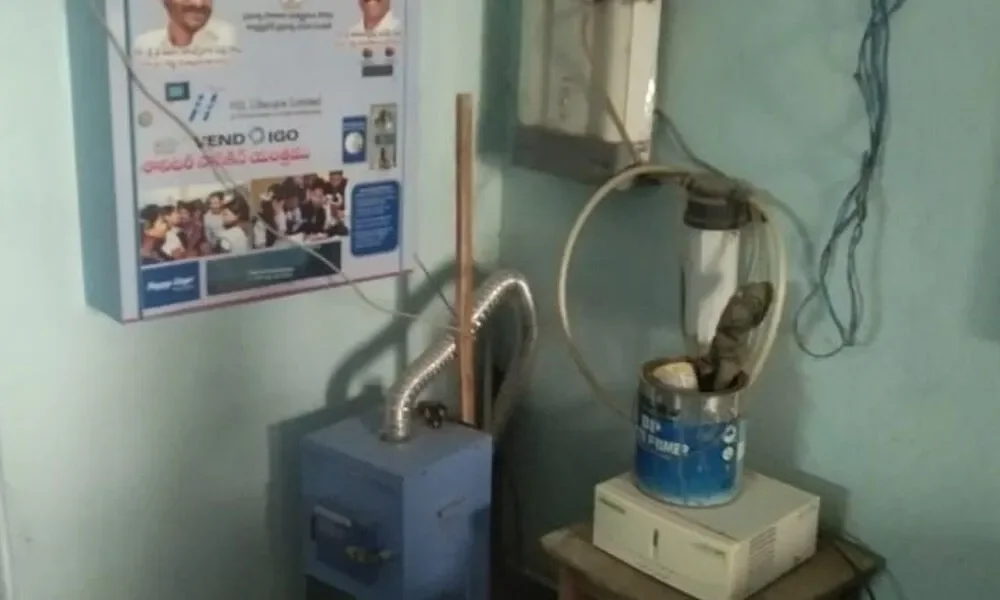
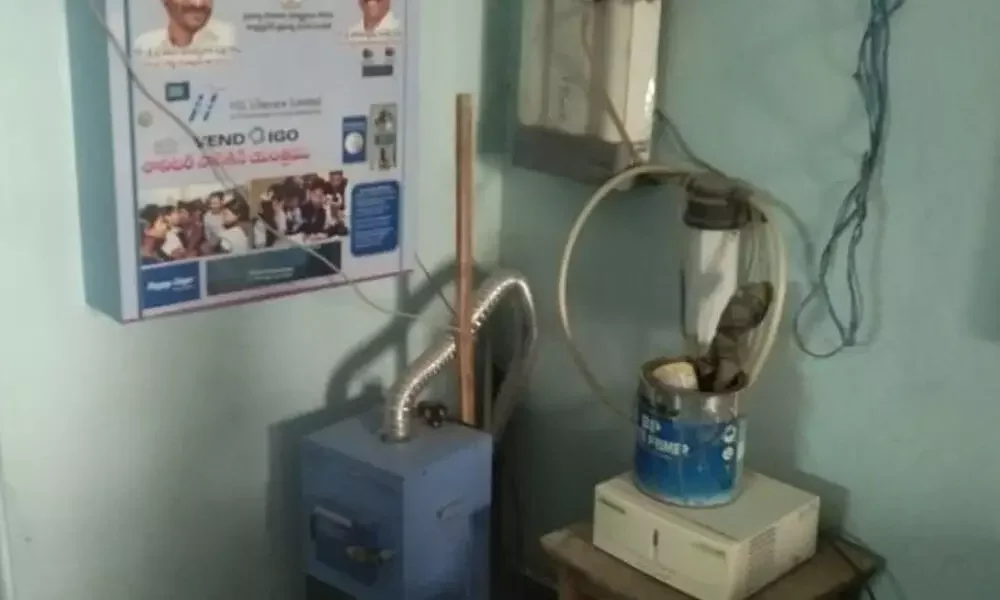
Financial Wastage: Machines worth "lakhs of rupees" lie "untouched and unused," rusting in storerooms. (The Hans India, 2021) This represents not only a colossal waste of public funds and resources but also a missed opportunity to make a real difference.
Consider this scenario: A school receives state-of-the-art vending machines and incinerators. The intention is noble. However, if there's no plan for regular maintenance, restocking, and technical support, what happens? The machines break down. Supplies run out. Students, like those in Manacaud, end up collecting napkins from teachers, a practice that is both inefficient and can be stigmatizing. (The Hindu, Current) This is precisely the cycle we need to break.
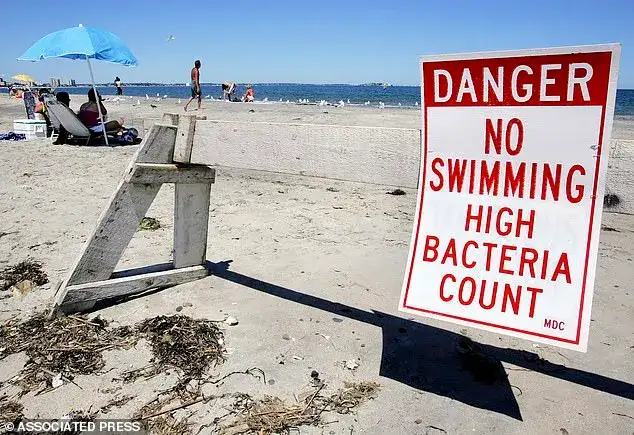
Read More: US Beach Closures July 2026 Due to High Bacteria Levels
Beyond the Survey: Probing Questions for a Systemic Solution
The current survey is a necessary diagnostic tool, but it must be followed by robust, actionable strategies. Simply knowing how many machines are functional is insufficient. We need to understand why they fail and how to ensure they work consistently.
Who is accountable for maintenance and restocking? Is it a designated school staff member, a local municipality, or a private vendor? And are they adequately funded and trained?
What is the procurement process? Are machines being chosen for their durability and ease of maintenance, or solely on cost?
What is the strategy for ongoing funding? The CSR model is commendable but limited. Where does the recurring budget for refills and repairs come from?
Are incinerators truly a sustainable solution? While they address disposal, are there environmentally friendlier alternatives being explored or implemented alongside them? The "1gm of ash" outcome might sound efficient, but the broader environmental impact of incineration needs continuous assessment. (The Hans India, 2021)
Is the survey simply documenting a problem, or is it a precursor to mandated solutions? What are the penalties for schools or departments that fail to maintain these facilities?
How are student needs and feedback being incorporated? Reports mention students collecting pads from teachers. Has their input on the types of products, machine usability, and perceived stigma been sought?
The notion that menstrual hygiene is a "fundamental right," as declared by the Kerala government, is powerful. (The Brighter World, 2023) But rights are meaningless without the infrastructure and will to uphold them. The focus must shift from mere installation to sustained functionality and accessibility.
The Path Forward: From Paper to Practice
The General Education department's survey is a crucial juncture. It has the potential to be a catalyst for genuine change, or another forgotten report.
Transparent Data & Public Scrutiny: The survey findings must be made public. Transparency is key to holding authorities accountable. Citizens, parents, and students deserve to know the status of these facilities.
Integrated Maintenance & Funding Models: Beyond the initial installation, a clear, budgeted plan for maintenance, repairs, and regular restocking is essential. This could involve dedicated state funding, robust vendor contracts with performance clauses, or community-based support systems.
Standardized Procurement: Future procurement should prioritize reliable, low-maintenance machines, perhaps even with IoT capabilities for real-time monitoring of stock and functionality, as suggested by industry experts. (Letsbeco, 2025)
Capacity Building: School staff need to be trained on the operation and basic maintenance of these machines and incinerators.
Holistic Menstrual Hygiene Education: While machines are vital, they should be part of a broader educational campaign that destigmatizes menstruation and promotes healthy menstrual practices.
The ambition to provide sanitary napkins in schools is a necessary step towards empowering young women. However, this survey must be more than an administrative check. It needs to be a profound re-engagement with the reality on the ground, leading to concrete, sustained actions that ensure every girl can manage her menstruation with dignity, without interruption to her education. The question is not if we can, but will we finally commit to making it happen consistently, across all schools, for all girls?
Read More: OCDSB approves $3.5M budget deficit on April 7 2026 under oversight
Sources:
The Hindu: Government launches survey of sanitary napkin vending machines, incinerators in schools. (Current publication, details provided in input)
Rising Kashmir: Over 1400 govt schools to get sanitary pad vending machines. (Published: Apr 12, 2025)
Link: https://risingkashmir.com/over-1400-govt-schools-to-get-sanitary-pad-vending-machines/
EnvCure: The Role of Government in Promoting Sanitary Napkin Incinerators in Rural Areas. (Published: Feb 8, 2023)
Link: https://www.envcure.com/role-of-government-in-promoting-sanitary-napkin-incinerators-in-rural-areas/
Letsbeco: Sanitary Napkin Vending Machines for Inclusive Restrooms. (Published: Sep 27, 2025)
Link: https://www.letsbeco.com/blogs/eco/sanitary-napkin-vending-machine
Times of India: Sanitary Pad Vending Machines Not Working in 20% of Government Schools in Nagpur. (Published: Jun 30, 2024)
India CSR: ECIL procured & Handed Over Sanitary Napkin Vending Machines under CSR. (Published: Nov 11, 2022)
Link: https://indiacsr.in/ecil-procured-handed-over-sanitary-napkin-vending-machines-under-csr/
The Brighter World: How One State is Transforming Menstrual Hygiene into a Fundamental Right. (Published: May 19, 2023)
The Hans India: Ongole: Machines for girls' hygiene at schools face official neglect. (Published: Nov 26, 2021)