


Exploitation of Verification Codes and Linked Devices Undermines Signal and WhatsApp Security
Dutch intelligence agencies have issued a stark warning regarding a sustained and sophisticated cyber operation, attributed to Russia-linked entities, which is actively breaching accounts on 'Signal' and 'WhatsApp'. The primary modus operandi involves deceiving users into revealing verification codes, a critical security step that grants attackers full control over their messaging platforms. This campaign, described as a "vast campaign" by Dutch authorities, targets officials and journalists globally, raising significant concerns about the compromise of sensitive communications.
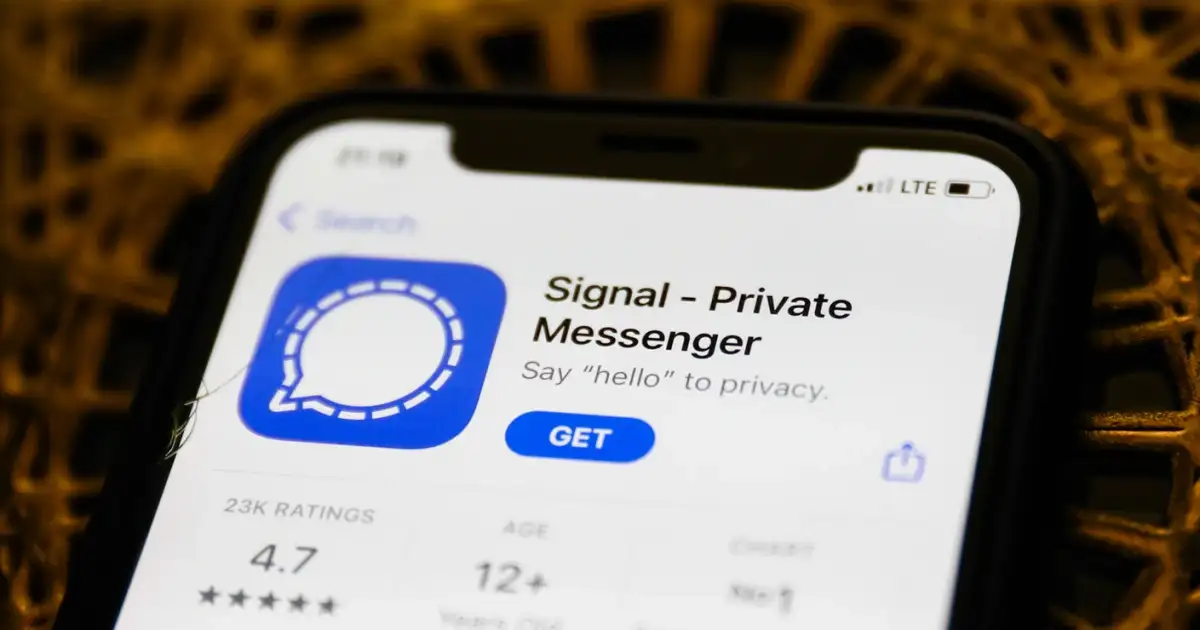
The most prevalent tactic detailed by the Dutch authorities is the impersonation of a 'Signal Support chatbot'.== In this scenario, targets are lured into divulging the security codes they receive, thereby enabling the hackers to hijack their accounts. Furthermore, the agencies highlighted the exploitation of Signal's 'linked devices' functionality, another vector for gaining unauthorized access. Indicators of a compromised account, as noted by the Dutch intelligence services, include contacts appearing twice in a user's list or numbers showing as 'deleted account'.

Strategic Targeting and Exploitation Methods Detailed
Russian cyber actors, identified by their affiliation with APT44 (also known as Sandworm), are employing advanced techniques to exploit vulnerabilities in widely used secure messaging applications.== Beyond the chatbot impersonation, these actors have also been observed using malicious QR codes. These codes are disguised as legitimate Signal resources, such as group invitations, security alerts, or instructions for pairing devices. Upon scanning these codes, users inadvertently grant access to their accounts. The objective appears to be the linkage of captured Signal accounts to Russian servers, potentially for further exploitation of battlefield intelligence and other sensitive data.
Broader Implications and Previous Occurrences
The alert from the Netherlands, specifically the joint operation involving the General Intelligence and Security Service (AIVD) and the Military Intelligence and Security Service (MIVD), underscores the persistent nature of these cyber threats. Signal, often lauded for its robust security, has previously been a target. Google had identified similar Russian actors attempting to phish Signal accounts associated with the Ukrainian military in the past, indicating a pattern of targeted exploitation against entities involved in geopolitical conflicts.== WhatsApp, while declining specific comment, has reiterated its standard security advice: users should never share their six-digit verification codes. The potential access to "sensitive information" gained by these Russian hackers is a significant concern, given the critical roles of the targeted officials and journalists.
Background and App Vulnerabilities
Signal has long been regarded as a highly secure messaging platform, frequently used by military personnel and journalists for its end-to-end encryption. However, this latest advisory suggests that even platforms perceived as secure are susceptible to well-orchestrated social engineering and technical exploits. The 'linked devices' feature, designed for convenience, appears to have become a critical vulnerability when misused. The Dutch authorities have provided guidance to their government colleagues on how to mitigate these threats and are offering assistance to address compromised accounts. The repeated targeting of secure messaging apps by state-sponsored actors highlights an ongoing struggle between encryption technologies and sophisticated cyber espionage efforts.