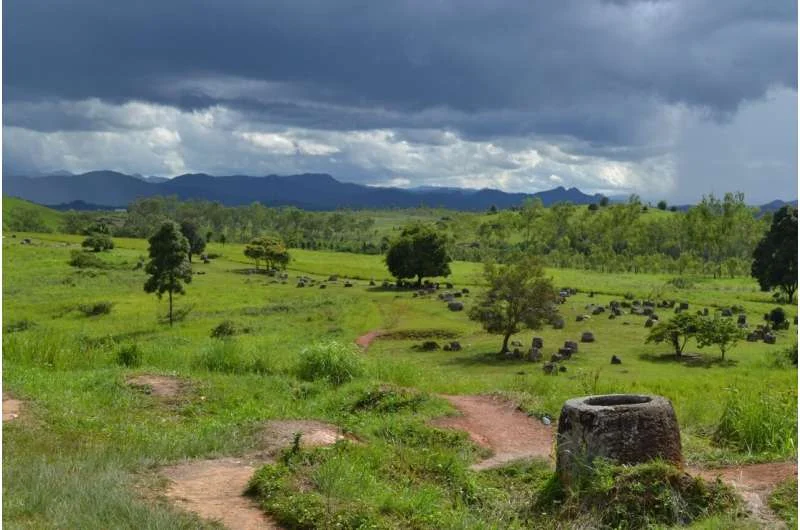
LAOS - Recent archaeological work at Laos's enigmatic 'Plain of Jars' has illuminated long-held questions surrounding the giant stone vessels, suggesting a complex system of secondary burial practices. Excavations have unearthed the remains of at least 37 individuals interred within one colossal stone jar, providing new material for understanding the rituals of a bygone era. These discoveries coincide with a period of expanding regional commerce across Asia, potentially linking the jar-makers to broader trade networks.
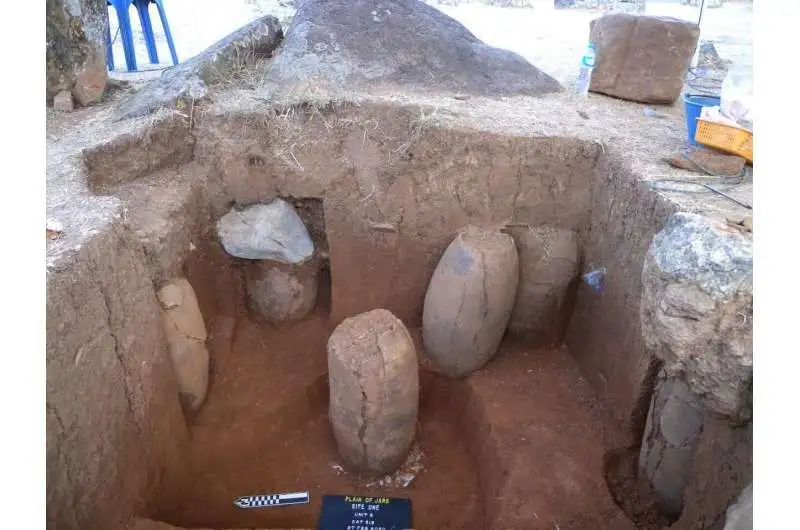
The presence of human remains within the jars strongly indicates secondary burial rites, a practice where bodies were first interred elsewhere and later moved for final placement. This challenges earlier, simpler interpretations and paints a picture of more elaborate mortuary customs.
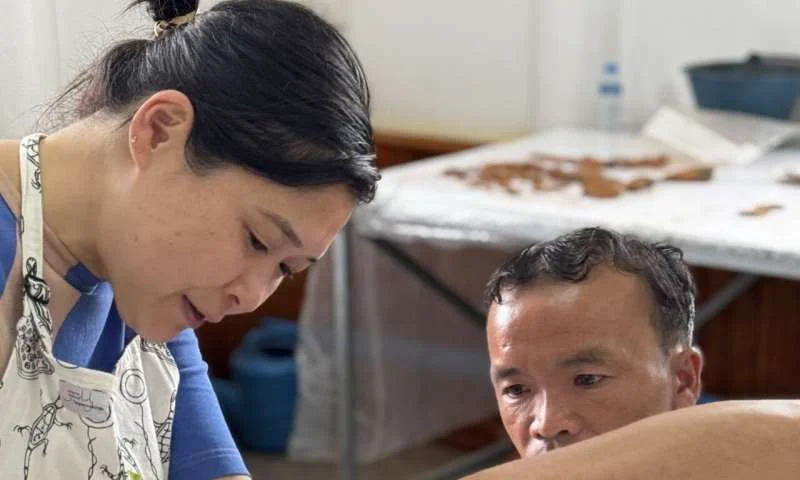
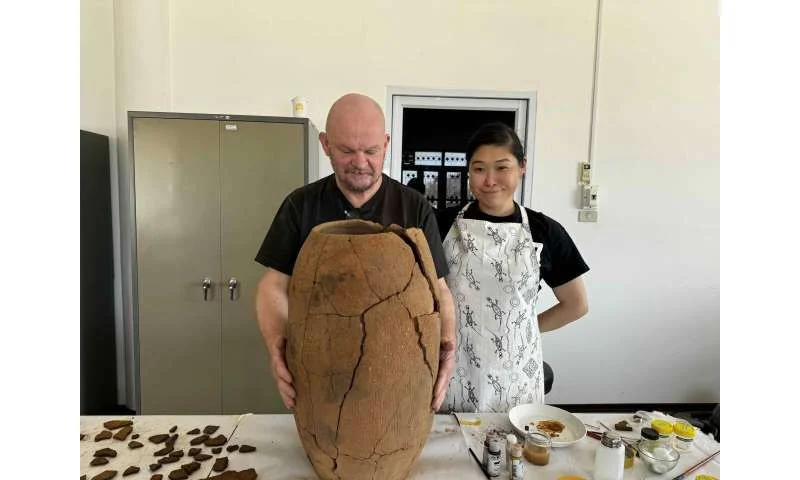
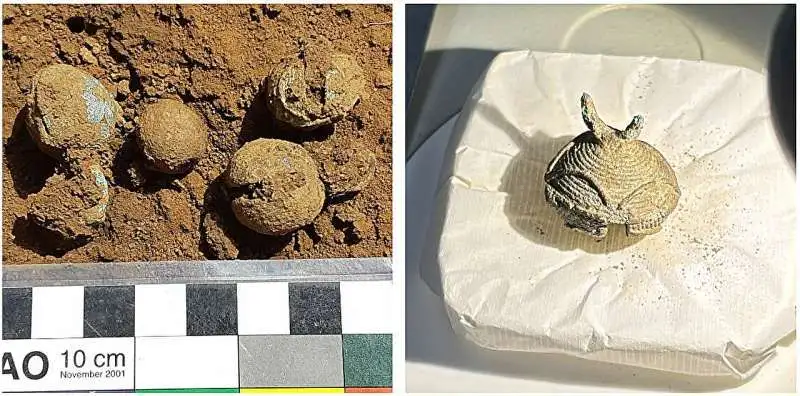
Researchers involved in the multi-season excavation project have employed a range of advanced techniques, including drone surveys, radiocarbon and luminescence dating, and isotopic analysis. Metal artifacts and glass beads, conserved at the Robert Cripps Institute for Cultural Conservation in Australia, have also been returned to Laos as part of this ongoing effort. Despite these methodological advances, the precise origins of the jars—who carved them, when they were fashioned, and how they were transported—remain subjects of continued investigation.
Read More: 5,900-Year-Old Child Skull Found in Norway Cave
Ongoing Enigmas and Methodological Prowess
The Plain of Jars, located in the Xieng Khouang province, features thousands of these massive stone containers scattered across northern Laos. Ranging from one to three meters in height and weighing up to 20 tonnes, their construction and deployment present significant logistical puzzles. =While the dating of the jars themselves points to antiquity, possibly the late Iron Age, definitive answers regarding their creators and purpose are still being pieced together.=
Recent findings have also included urn burials, with human bone fragments found inside smaller, decorated ceramic vessels buried near the larger stone jars. This suggests a nuanced approach to mortuary practices, potentially involving different stages or social strata in the disposal of the dead.
Read More: Laos Cave Rescue: Heavy Rain Delays Search for 2 Missing Gold Seekers
The research, a collaboration involving Laotian heritage custodians and international experts, is complicated by the enduring presence of unexploded ordnance in the region, a stark reminder of its more recent violent history. Nonetheless, the scientific community presses on, believing similar undisturbed sites may yet yield further revelations about this megalithic culture.