

A Shifting Landscape in Smartphone Innovation
The mobile phone market, a dynamic arena of rapid advancement, is at a critical juncture. For years, Android and iOS have been the dominant forces, each vying for user loyalty through distinct approaches to hardware and software. Recent trends and expressed desires from industry watchers suggest a potential pivot point, where the adoption of specific innovations by Android could present a significant challenge to Apple's established position. The debate centers on whether Android's inherent flexibility can be leveraged to integrate features that resonate more deeply with evolving consumer needs and technological capabilities, particularly in areas like artificial intelligence, user interface fluidity, and device interconnectivity.
Context: The Evolving Smartphone Ecosystem
The mobile operating system landscape is primarily shaped by Google's Android and Apple's iOS. Android, known for its open nature, offers a wide array of device options across various price points, fostering a diverse ecosystem. iOS, exclusive to Apple's hardware, is often lauded for its seamless integration, robust app store, and user-friendly interface.
Read More: Chrome mimeHandler API lets extensions handle file types
Timeline of recent discussions: Reports from late 2025 and early 2026 highlight key areas where Android is perceived to have opportunities for growth or differentiation.
Key Actors: Google (developer of Android), Apple (developer of iOS), and various Android phone manufacturers are central to these developments. Industry watchers and tech publications like TechRadar, ZDNet, Tom's Guide, and MakeUseOf are observing and reporting on these trends.
Evidence of Emerging Trends
The discourse around future smartphone capabilities points to several recurring themes:
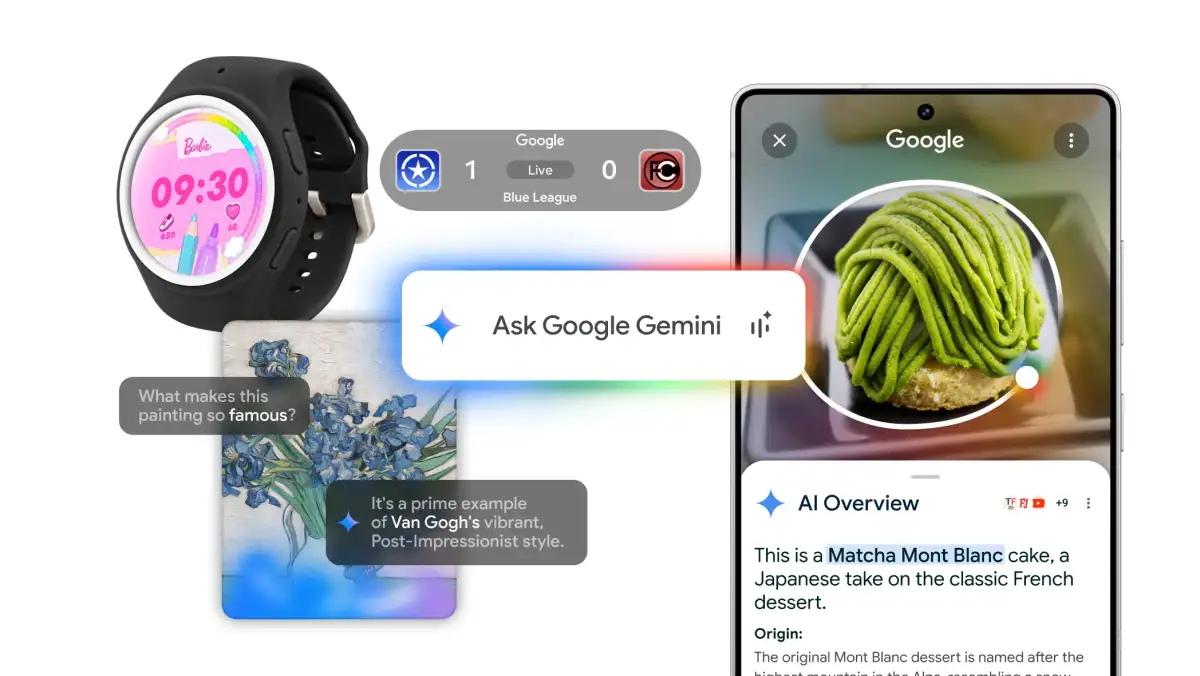
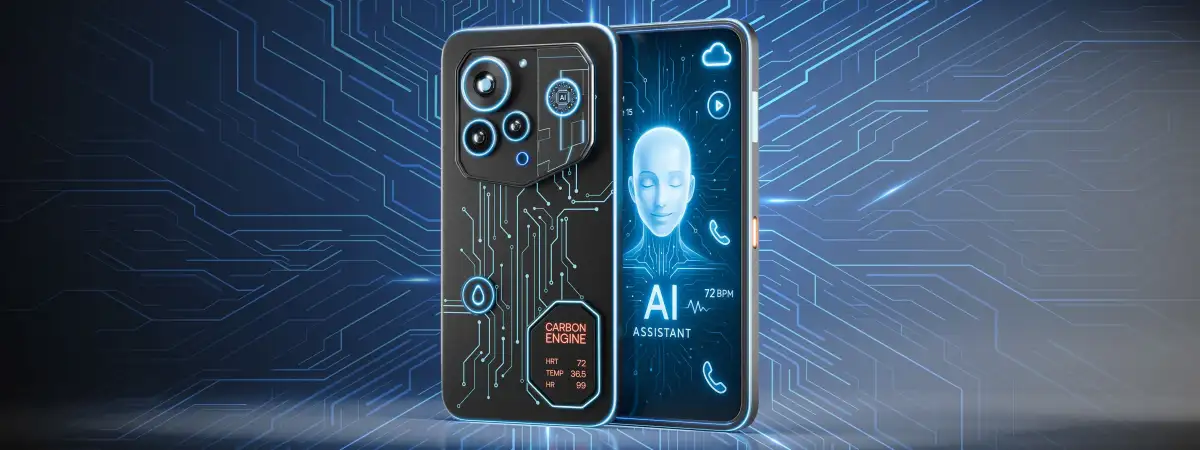
AI Integration: While many Android phones currently feature AI, there's a call for deeper, more proactive AI that manages daily life rather than just augmenting existing interactions. This suggests a shift from superficial AI features to more fundamental, user-centric AI management.
User Interface and Experience: Improvements in the smoothness and intuitiveness of the operating system are noted, with Android 15 being cited as an example of progress in fluidity. The ability to view data seamlessly across devices, including Android and ChromeOS, is also highlighted as a desirable advancement.
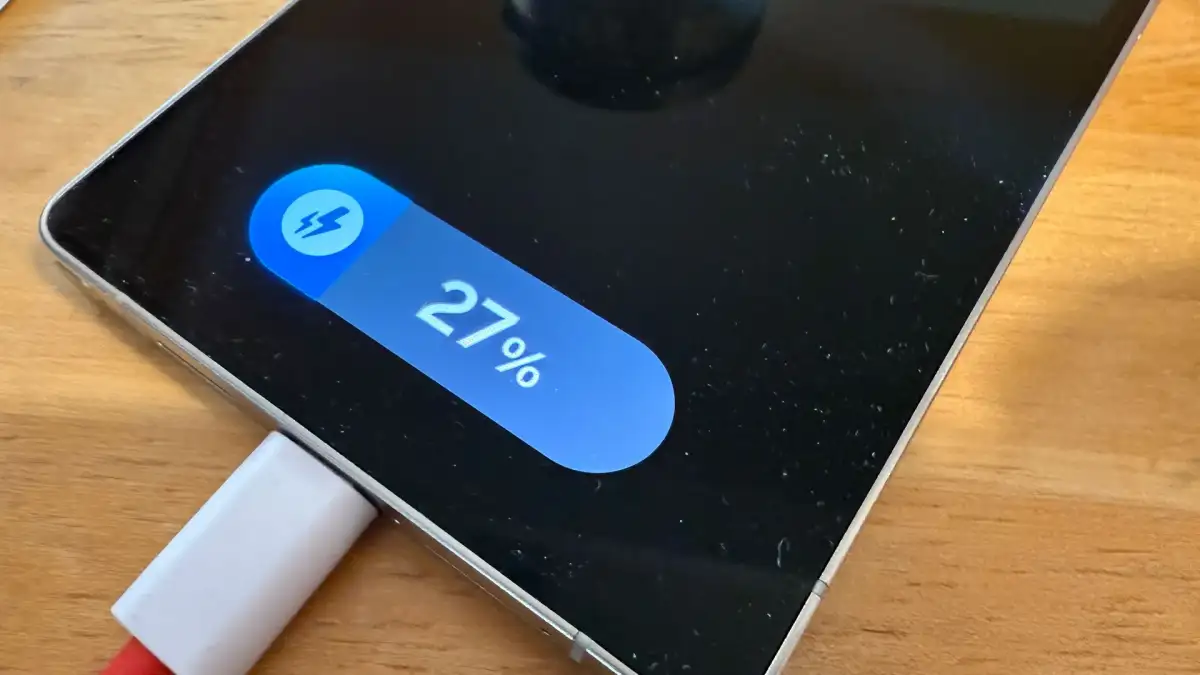
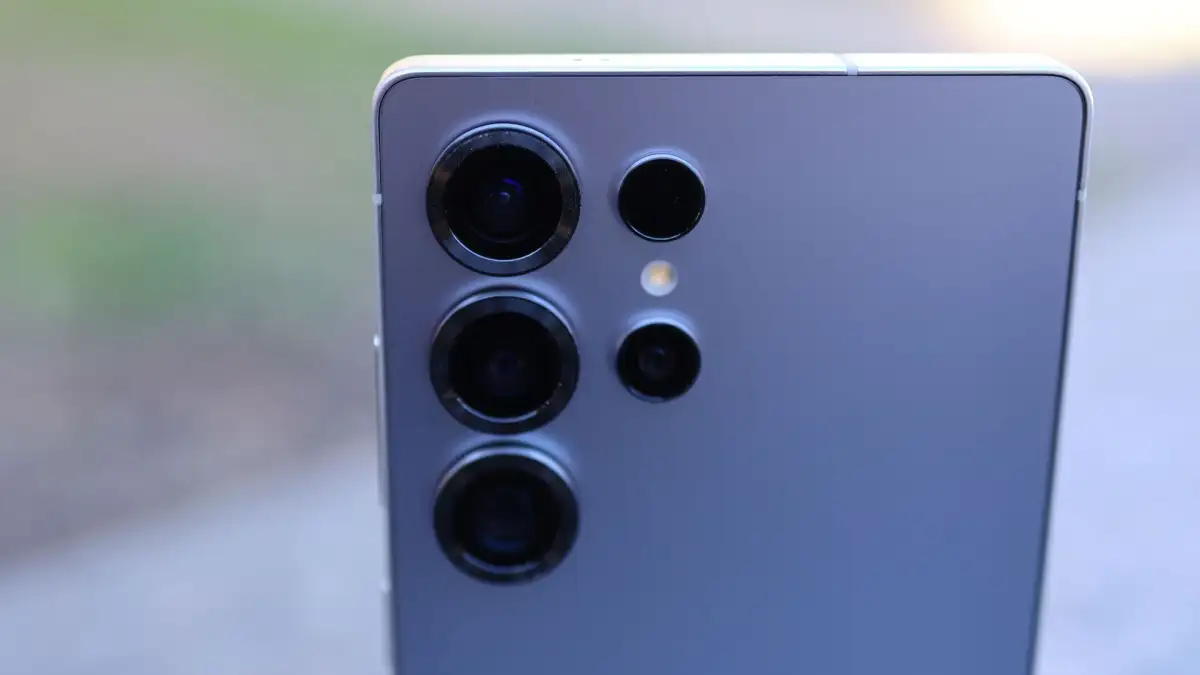
Hardware Innovation: Concepts like portless phones and new battery technologies are discussed as potential differentiators. The inclusion of advanced camera systems and immersive audio experiences are already noted as strengths in current Android offerings.
Continuity and Interconnectivity: While Apple devices are recognized for their continuity, there's an aspiration for even greater seamlessness between devices, extending to watches and tablets.
App Management: Features like app limits, intended to help users manage screen time, are seen as an area where iOS has a basic implementation, but there's room for more comprehensive, cross-app standardisation.
Deep Dives: Key Areas of Contention and Opportunity
The Role of Artificial Intelligence
A central theme is the evolution of AI in mobile devices. While current Android phones exhibit numerous AI features, the expectation is for a more profound integration.
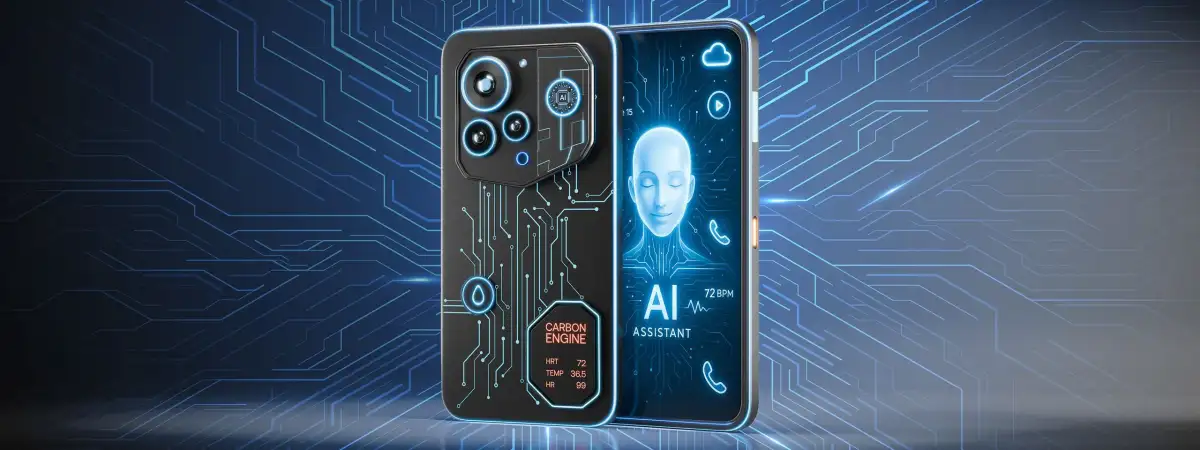
Android's Potential: Observers believe AI could take a more proactive role in managing daily life, learning user behavior and preferences to anticipate needs. This goes beyond current AI applications and hints at a future where AI acts as a personal assistant deeply embedded in the phone's operations.
iOS's Position: Apple is acknowledged as being somewhat behind in this regard, with a need for deep AI integration that could offer substantial benefits to users. The focus for Apple, as for Android, is likely on how AI can enhance the user experience and streamline daily tasks.
Seamless Interoperability and Data Flow
The ease with which users can move between devices and access information is a critical factor in user satisfaction.
Android's Ambition: A key desire for Android is the ability to view data seamlessly not only on Android devices but also on ChromeOS. This suggests a move towards a more unified ecosystem within Google's offerings, mirroring the perceived strength of Apple's cross-device continuity.
iOS's Advantage and Limitations: Apple devices already offer a degree of continuity, but there is still a desire for complete continuity that goes beyond current Handoff capabilities, especially in how certain apps function across the Apple ecosystem.
User Interface Fluidity and Control
The responsiveness and intuitive nature of an operating system, along with user control over app usage, are areas of focus.
Android's Progress: Recent iterations of Android, such as Android 15, are noted for their considerably smoother performance in areas like the notification shade.
iOS's Opportunities: For iOS, the enhancement of proper app limits is a suggested innovation. While existing features allow for time limits, a more standardized and robust implementation across all apps is desired.
Expert Analysis and Industry Perspectives
The sentiment among tech reviewers indicates a strong desire for forward-thinking features.
"We’re yet to see [some] innovations" despite a "wide variety of specs and features" across Android phones. - TechRadar
This observation suggests that even with the diversity of the Android market, there are common threads of innovation that have yet to be fully realized. The call for Android to become a "worthier iOS rival" implies a recognition of iOS's strengths while pointing out specific areas where Android could differentiate itself or catch up. The prospect of innovations like "portless phones" and advanced battery technology points to hardware advancements that could redefine user interaction.
Read More: Pixel 10 US models go eSIM only, international models keep physical SIM
Conclusion: The Path Forward for Mobile Dominance
The current analysis indicates that both Android and iOS ecosystems are actively seeking to enhance user experience through technological advancements.
Android's Strategic Imperative: For Android, the integration of truly smart AI, improved system fluidity, and robust cross-device data management presents an opportunity to surpass Apple's current offerings. The potential for innovations like portless designs and next-generation battery technology could further solidify this advantage.
iOS's Focus: Apple, while possessing strong continuity, is identified as needing deeper AI integration and potentially more comprehensive app control features to maintain its competitive edge.
Implications: The successful adoption of these five key innovations by Android manufacturers could indeed make it difficult for Apple to catch up, shifting the perceived technological leadership in the mobile space. The future of smartphone dominance may hinge on which platform can most effectively implement these forward-looking features in a way that genuinely benefits the user.
Sources Used
ZDNet: "5 things Android needs to fix to become a worthier iOS rival in 2024" - https://www.zdnet.com/article/5-things-android-needs-to-fix-to-become-a-worthier-ios-rival-in-2024/
Context: This article discusses areas where Android could improve to better compete with iOS, focusing on user experience and OS fluidity.
TechRadar: "If Android phones start incorporating these 5 innovations it will be hard for Apple to catch up" - https://www.techradar.com/phones/android/from-new-battery-tech-to-portless-phones-here-are-5-innovations-i-want-from-android-devices
Context: This article outlines specific innovations desired in future Android phones that could give them a significant edge over Apple.
Tom's Guide: "What will our phones be like in 2035? We asked Samsung, Motorola, OnePlus and more about your future" - https://www.tomsguide.com/phones/what-will-our-phones-be-like-in-2035
Context: This article looks at future trends in mobile technology, including the increasing role of AI, and gathers insights from various manufacturers.
TechRadar: "If iOS gets these 5 innovative features, I’ll stay loyal to Apple forever" - https://www.techradar.com/phones/ios/5-innovations-i-want-from-ios-thatll-keep-me-away-from-android
Context: This article focuses on desired features for iOS that would ensure user loyalty, implicitly highlighting areas where Android might already be stronger or where innovation is keenly felt.
MakeUseOf: "5 Android features that iPhones still can't match" - https://www.makeuseof.com/android-features-that-iphones-still-cant-match/
Context: This piece directly compares Android and iPhone features, detailing areas where Android offers more flexibility and capability.
Talk Android: "Cutting-Edge Tech: Top Features of the Latest Android Phones in 2025" - https://www.talkandroid.com/498266-cutting-edge-tech-top-features-of-the-latest-android-phones-in-2025/
Context: This article highlights advanced features already present in contemporary Android phones, such as enhanced audio and camera capabilities.





