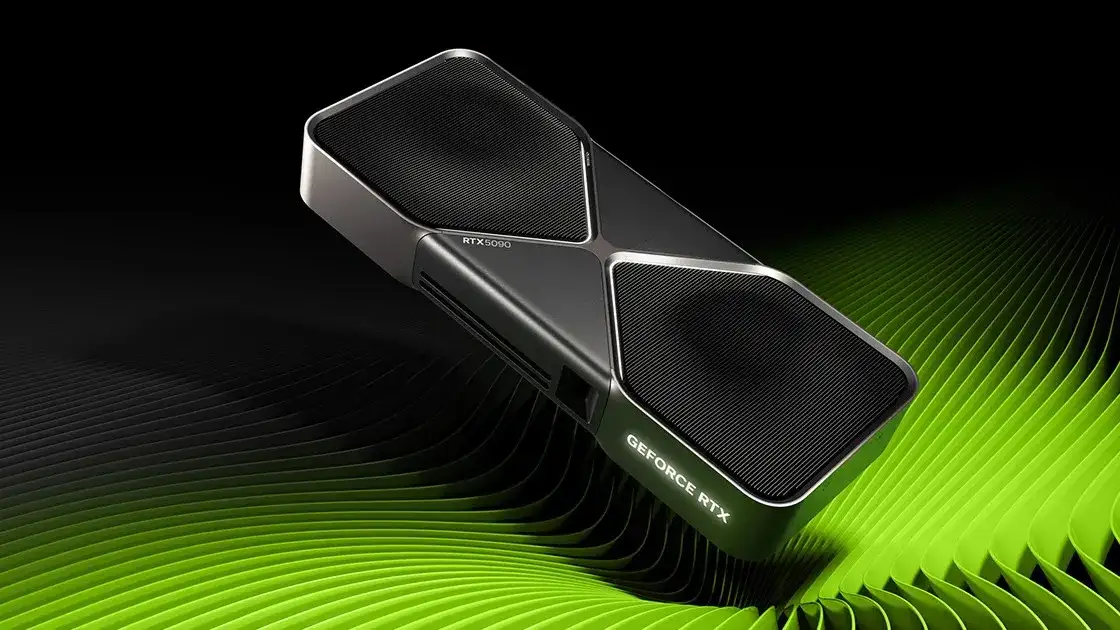
A recent shift in the market sees the RTX 5080 graphics processing unit (GPU) experiencing a price drop, positioning it more competitively against offerings from other Add-in-Board (AIB) partners. This adjustment arrives as the broader graphics card landscape grapples with fluctuating supply chains and evolving consumer demand. The availability of the RTX 5080 at a reduced price point signifies a tactical move within the high-performance gaming hardware sector, aiming to capture market share in a climate of significant production and pricing pressures.

The NVIDIA GeForce RTX platform, a core component in this discussion, leverages advanced technologies such as 'path tracing' and 'neural rendering'. These systems are augmented by innovations like DLSS 4, which introduces multi-frame generation (MFG), and transformation models. The current generation of GeForce RTX™ 50 series GPUs, featuring fourth-generation RT Cores and fifth-generation Tensor Cores for neural rendering, is engineered to deliver visuals described as "cinema-quality" at high speeds. NVIDIA states that over 800 applications and games currently utilize RTX for enhanced realism, performance boosts, and AI-driven features like DLSS and multi-frame generation.
Read More: New vLLM Software Makes AI Models Run Much Faster

Market Dynamics and Graphics Card Selection
Recent market analyses, published approximately two days ago, highlight a complex environment for acquiring graphics cards. Reports indicate that the selection process is becoming increasingly strategic, influenced by a global shortage of GDDR memory, driven by explosive demand from the Artificial Intelligence (AI) sector. This scarcity, coupled with anticipated price hikes from manufacturers like AMD and NVIDIA in early 2026, and significant production cutbacks on certain RTX 50 series models, creates a volatile purchasing climate.
Choosing a graphics card is fundamentally tied to its role in a computer system. Essentially, it handles the visual output, directly impacting the display capabilities and user experience, especially for demanding applications. A higher-end card generally correlates with greater integrated memory, a critical factor for rendering complex graphics and maintaining fluid performance. Furthermore, the resolution of a user's display is a key determinant of the required GPU power; higher resolutions necessitate more robust hardware to ensure clear and responsive visuals. For content creators, specific performance metrics in video editing, 3D rendering, and graphics applications are paramount considerations.
Read More: IGN Live 2026: Game Deals and Tech Discounts Announced
Technological Advancements and Architectural Shifts
The integration of 'ray tracing', a method for rendering realistic light behavior in synthetic images, continues to be a significant development in graphics technology. Beyond the GPU itself, NVIDIA has also introduced the 'RTX Spark Superchip', an ARM-based processor designed for Windows PCs, developed in collaboration with MediaTek and Microsoft. This initiative represents a notable departure from the traditional x86 architecture, positioning itself as a potential competitor to established players like Intel, AMD, Apple, and Qualcomm. Early reports on related hardware, such as the DGX Spark workstation, mention unified memory configurations reaching up to 128GB of LPDDR5X, with memory bandwidth figures around 273 GB/s, rounded to 300 GB/s in promotional materials.