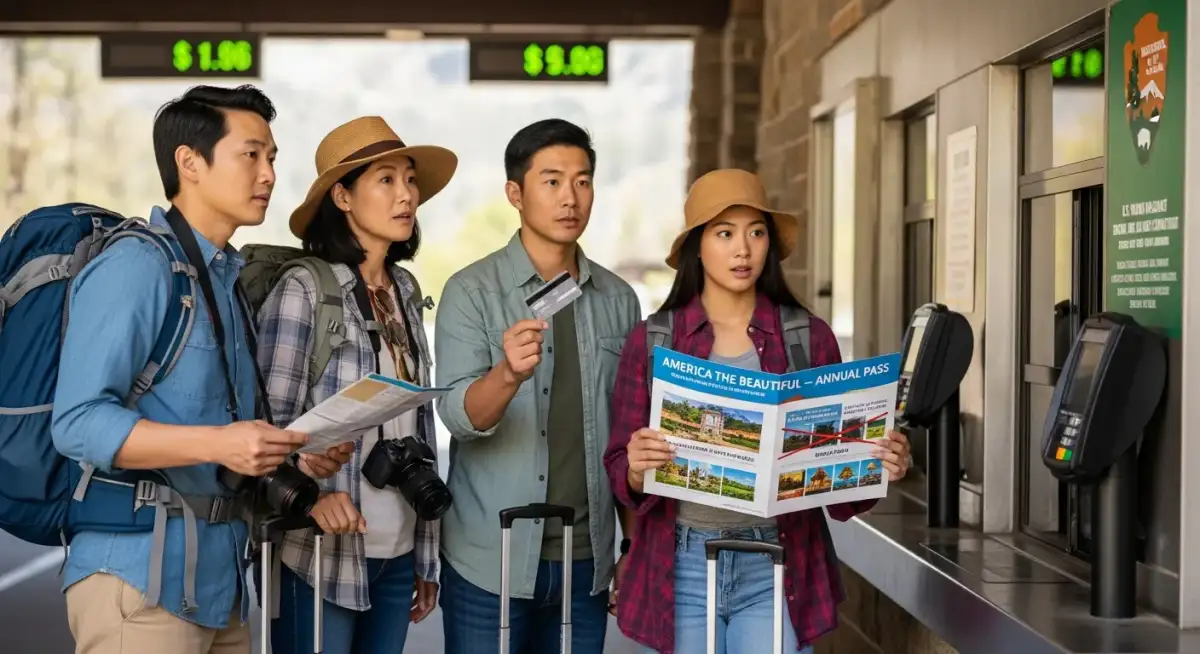
A New Financial Gate for Natural Wonders
Effective January 1, 2026, international visitors face an additional $100 fee to enter the Grand Canyon National Park and ten other heavily frequented U.S. national parks. This surcharge applies on a per-person basis and targets those without U.S. residency or specific documentation.
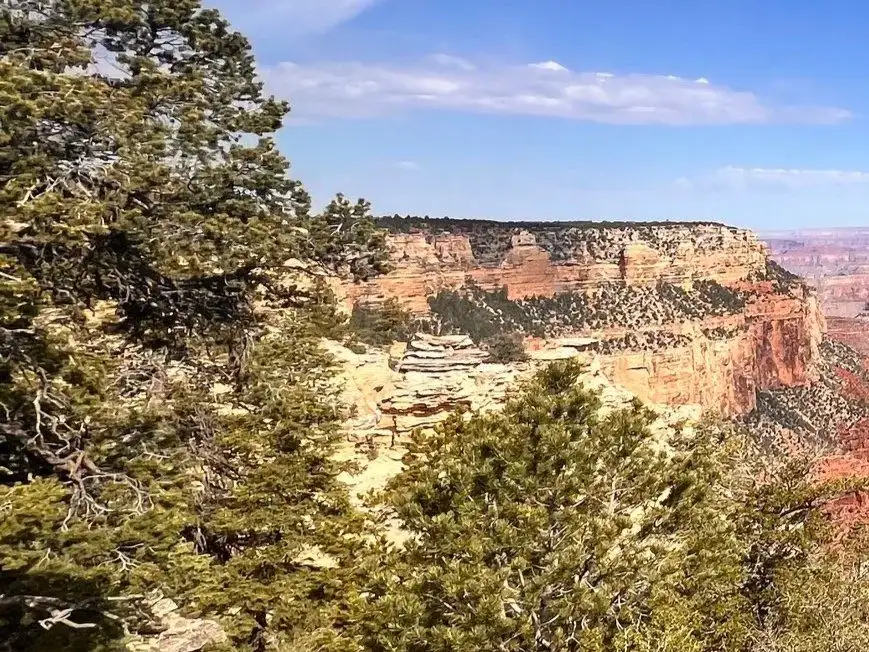
The parks now imposing this supplementary charge include:

Acadia National Park (Maine)
Bryce Canyon National Park (Utah)
Everglades National Park (Florida)
Glacier National Park (Montana)
Grand Canyon National Park (Arizona)
Grand Teton National Park (Wyoming)
Rocky Mountain National Park (Colorado)
Sequoia & Kings Canyon National Parks (California)
Yellowstone National Park (Wyoming, Montana, Idaho)
Yosemite National Park (California)
Zion National Park (Utah)
U.S. residents can circumvent this fee by presenting a state driver’s license, U.S. passport, or permanent resident card. The executive order underpinning this policy, signed by President Donald Trump, appears to prioritize domestic access, with some communications framing it as a benefit to U.S. residents.
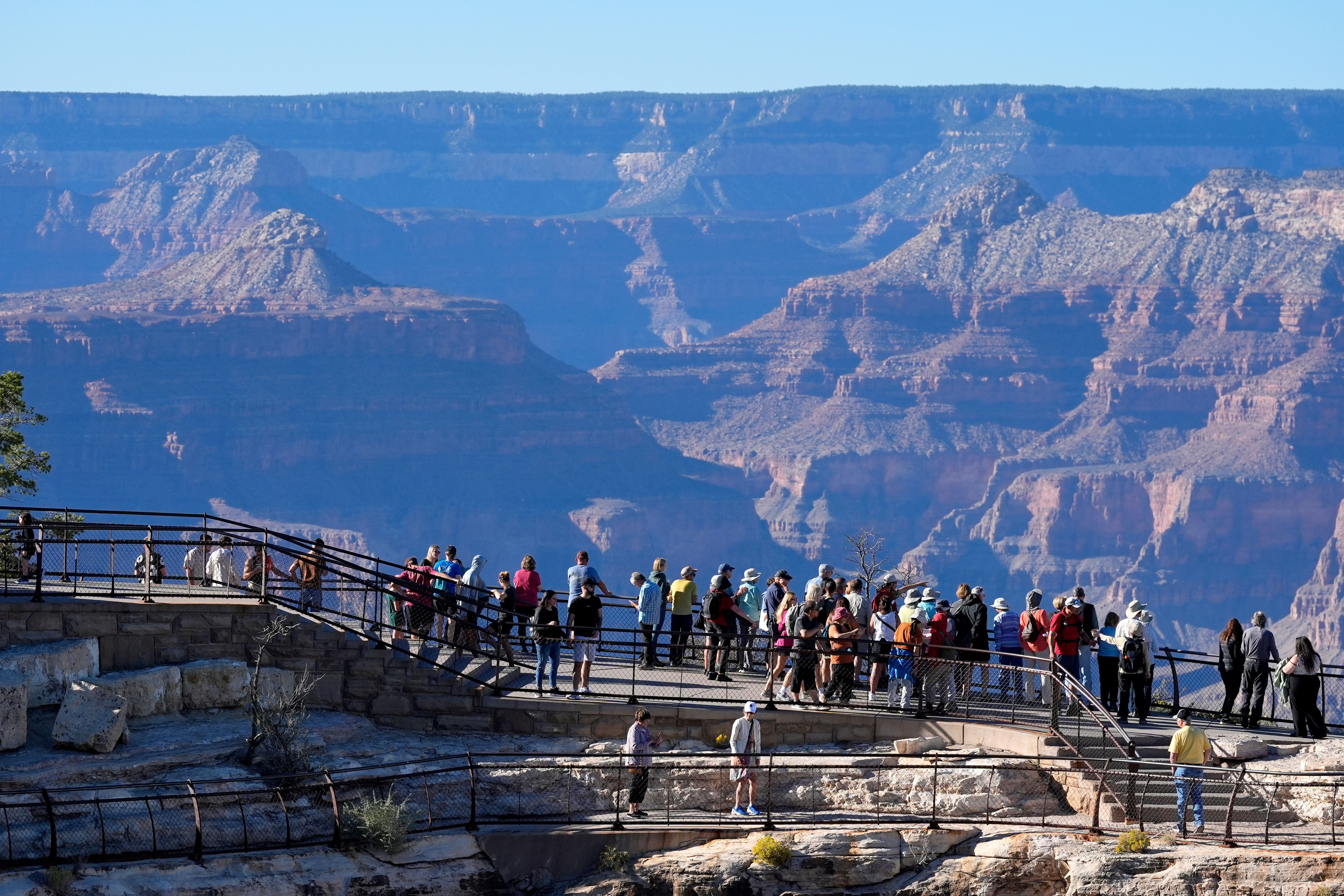
Impact on Park Access and Finances
The rationale behind this shift, as stated by Interior Secretary Doug Burgum, is to ensure U.S. taxpayers maintain "affordable access" while international visitors contribute "their fair share" towards park maintenance and upgrades. The funds generated are intended for facility improvements and upkeep.
Read More: Margaret River Named World's Best Wine Place
However, this new financial barrier has raised concerns. Some park staff reportedly view the fee as potentially "alienating visitors for decades," suggesting it sends a message of exclusion. Reports indicate confusion and anger at park entrances due to a perceived lack of clear signage and online information regarding the new regime.
Annual Pass Considerations
The policy also affects the "America the Beautiful" annual pass. While U.S. residents' passes now feature a portrait of Donald Trump – a detail some visitors have attempted to obscure, potentially invalidating the pass – international visitors seeking broad access may opt for a higher-tier annual pass rather than paying the per-visit surcharge. Most other national parks, outside this group of eleven, continue to operate with their standard entrance fees.
A Policy Shift
This move follows an executive order from President Donald Trump in July 2025, directing an increase in entry fees for foreign tourists. The change marks a significant alteration in how international visitors access some of America's most iconic natural landscapes, with implications for tourism and the perception of U.S. national parks abroad.
Read More: Yellowstone Park denies child poisoning claims, investigations continue