:max_bytes(150000):strip_icc()/Quentin-Tarantino-Pulp-Fiction-30726-b1471a2c697b4e9186c5ca06b3bc07d6.jpg)
Actress Declares Director's Filmography Marked by "Racist and Creepy" Language
"I cannot stand that he [Tarantino] has been given a hall pass."
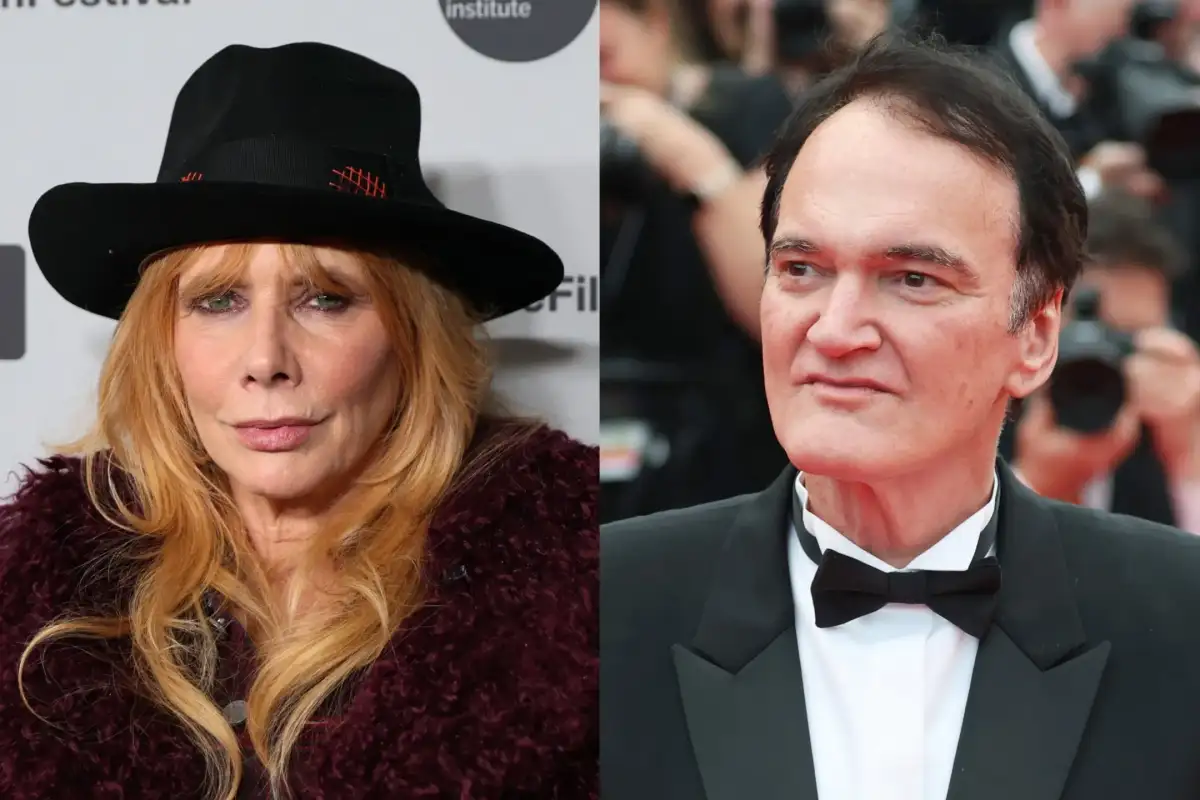
Rosanna Arquette, who appeared in Quentin Tarantino's landmark film Pulp Fiction, has voiced strong criticism regarding the director's repeated use of the N-word in his movies. Arquette stated that Tarantino has been afforded a "hall pass" for employing the slur, which she described as "not art, it's just racist and creepy." Her remarks add another voice to a persistent discourse surrounding Tarantino's stylistic choices.

The crux of Arquette's critique centers on the perceived license Tarantino holds to deploy the N-word, which she argues transcends artistic intent and enters the realm of racial insensitivity. Her stance, shared in recent interviews, directly challenges the justifications Tarantino has historically offered for his script choices.

Debate Over Artistic License and Linguistic Depiction Continues
Tarantino has long defended his inclusion of the N-word, framing it as a matter of 'artistic authenticity' and reflecting the realities of dialogue within certain contexts. He has previously stated, "Apparently I’m not making them for you,” in response to criticisms, asserting his prerogative as a storyteller.
Read More: Ryan Gosling chosen for Project Hail Mary movie adaptation
This defense has met with opposition. Critics, including filmmaker Lee Daniels, have argued that Tarantino, as a white filmmaker, lacks the standing to utilize such a term. The debate probes the boundaries of artistic freedom versus the potential harm and insensitivity of employing racial slurs, particularly when wielded by those outside the communities directly affected by them.

Historical Context and Recurring Scrutiny
The use of the N-word in Tarantino's oeuvre, which includes its appearance over 110 times in Pulp Fiction alone, has been a point of contention since his early career. Director Spike Lee, for instance, famously refused to watch Pulp Fiction upon its release due to his objections to its linguistic content.
Despite this, some actors who have collaborated extensively with Tarantino, such as Samuel L. Jackson, have publicly defended the director's approach. Jackson has argued that the language used in Tarantino's films is a realistic portrayal of how characters would speak, thus serving the narrative. This divergence in perspective highlights the ongoing struggle to reconcile artistic interpretation with social commentary and historical context within cinematic works.
Read More: Oscars 2024: Best Live Action Short Film Has Tie, 6th in History