Family Echoes Historical Stance on Conservation
The descendants of Theodore Roosevelt, the 26th U.S. President, have voiced their support for the protection of public lands. This call comes as the nation continues to debate the management and preservation of its natural resources. The family's appeal highlights a legacy rooted in Theodore Roosevelt's own commitment to conservation, a movement he championed during his presidency. His actions established a precedent for safeguarding significant portions of the American landscape for public use and ecological health.
A Legacy of Environmental Stewardship
Theodore Roosevelt, often called the "conservationist president," made significant strides in preserving public lands during his time in office from 1901 to 1909. At a time of rapid expansion and resource exploitation, he recognized the intrinsic value and finite nature of natural resources. He understood that certain lands held imperative importance for the nation's future, not just for their immediate use but for their lasting benefit.
Read More: Emerging Contaminants Found In Crops From 2005-2024 Raise Health Worries
Roosevelt's administration established approximately 230 million acres of public lands.
This included the creation of 150 national forests, 55 federal bird reservation and game preserves, 5 national parks, and 18 national monuments.
He also founded the U.S. Forest Service in 1905, appointing Gifford Pinchot as its first Chief Forester.
Roosevelt believed that public rights to natural resources should supersede private interests, making conservation a national priority.
Contrasting Approaches to Public Lands
The current calls for conservation by Roosevelt's family emerge against a backdrop of evolving political approaches to public lands. Historical accounts show periods where leaders have invoked Roosevelt's name while pursuing policies that some critics deem contrary to his conservationist ideals.
The Rhetoric of Protection
"Trump nominated Oklahoma Attorney General Scott Pruitt, an enemy of measures to reduce greenhouse gas emissions who has aligned himself with oil and gas companies, to head the Environmental Protection Agency (EPA)—one day after paying lip-service to conservation."
This statement from December 7, 2016, points to a perceived discrepancy between public pronouncements and policy actions. While a leader might reference Theodore Roosevelt's legacy of protecting public lands, subsequent appointments or decisions can create divergent outcomes. The appointment of Scott Pruitt, who had a history of opposing environmental regulations, was seen by some as a signal that the administration's commitment to conservation might be superficial.
The President's Power to Designate
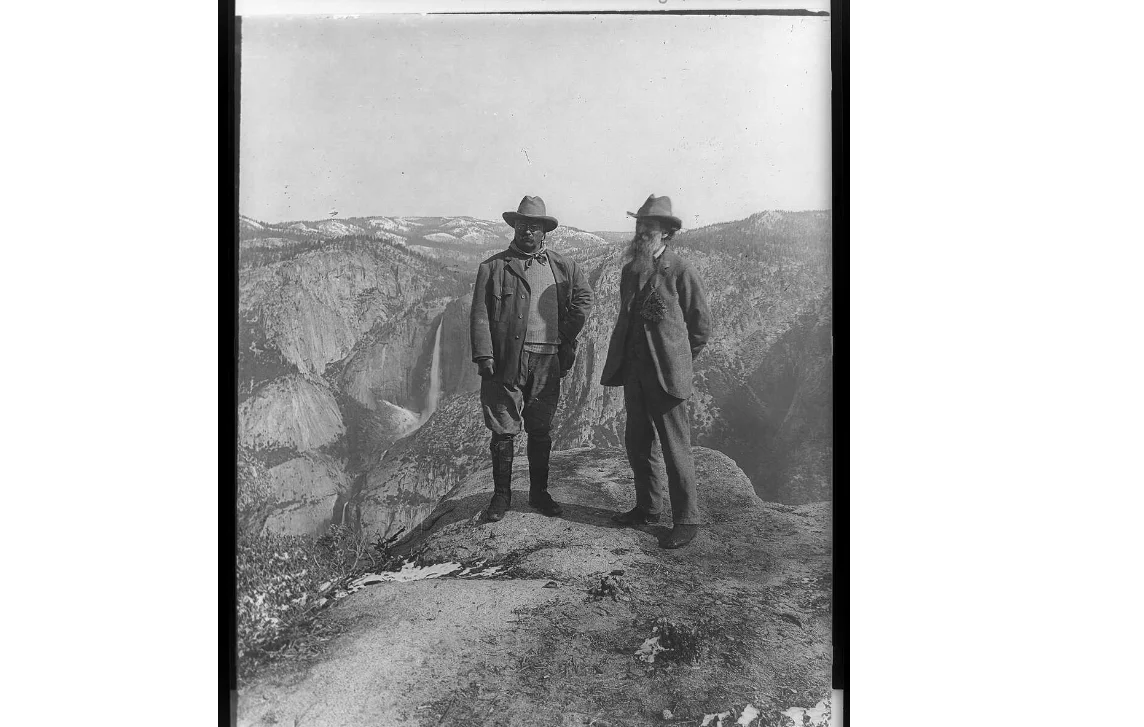
Theodore Roosevelt utilized the Antiquities Act to establish National Monuments, a process that required less congressional involvement than creating national parks. This enabled him to act swiftly to protect areas he deemed vitally important. This power, used by presidents to preserve sites of historical or natural significance, has remained a point of discussion regarding the executive branch's role in conservation.
Read More: Robert Mueller, Trump-Russia Investigator, Dies at 81
The Enduring Importance of Conservation
The writings of Theodore Roosevelt and the sentiments of his family underscore a persistent debate about resource management. His view was that "We have fallen heirs to the most glorious heritage a people ever received, and each one must do his part if we wish to show that the nation is worthy of its good fortune." This perspective emphasizes a civic duty to preserve natural wealth for future generations.
The consumption of natural resources was noted as increasing faster than population even in 1909.
Concerns were raised about the limited and non-reproducible nature of mineral resources.
The need to classify remaining public lands and dispose of arable lands to "home makers" was highlighted.
The challenge of supplying food for a growing population necessitated obtaining larger crops from existing land.
Expert Analysis
Historians and environmental advocates often point to Theodore Roosevelt's presidency as a pivotal moment in American environmentalism. His actions were not merely administrative; they fundamentally altered the national conversation around natural resources, establishing a blueprint for what is now known as environmental stewardship. The enduring commitment to preserving wild spaces is a direct result of the groundwork laid during his administration.
Read More: Cape Grim air station tracks pollution changes for 50 years in Tasmania
Conclusion and Implications
The advocacy from Theodore Roosevelt's family serves as a contemporary echo of his historical conservation efforts. Their plea reinforces the idea that safeguarding public lands is not a singular event but an ongoing responsibility. The contrast between invoking Roosevelt's name and implementing potentially contradictory policies highlights the complexities of modern environmental governance.
The family's intervention draws attention to the continuing relevance of Roosevelt's conservation principles.
It prompts reflection on whether current policies align with the historical intent of preserving public natural heritage.
The historical precedent set by Roosevelt offers a framework for current debates on land use and resource management.
The discussion underscores the long-standing challenges of balancing development with preservation, a theme evident in early 20th-century discussions and contemporary policy debates.
Theodore Roosevelt National Park (U.S. National Park Service): Provides biographical and conservation context for Theodore Roosevelt, emphasizing his role in establishing protected areas and his views on natural resources. https://www.nps.gov/thro/learn/historyculture/theodore-roosevelt-and-conservation.htm
Wilderness.org: Critiques the Trump administration's approach to public lands, contrasting supportive rhetoric with concerning appointments and actions, referencing Theodore Roosevelt. https://www.wilderness.org/articles/blog/trump-invokes-teddy-roosevelt-says-hell-protect-public-landsthen-appoints-anti-conservation-epa-head
U.S. Fish and Wildlife Service: Details Theodore Roosevelt's extensive conservation achievements, including the creation of national forests, parks, and monuments, and the establishment of the U.S. Forest Service. https://www.fws.gov/staff-profile/theodore-roosevelt-1858-1919-conservation-president
Legalclarity.org: Explains the significance of Theodore Roosevelt's conservation movement and its impact on national discourse regarding natural resources. https://legalclarity.org/what-was-the-significance-of-teddy-roosevelts-conservation-movement/
Emersonkent.com: Features a historical document on the conservation of public lands from 1909, discussing resource consumption, population growth, and land classification. https://www.emersonkent.com/historicdocuments/theconservationofpubliclands.htm
Ushistory.org: Describes Theodore Roosevelt's dedication to protecting public lands, his efforts to compromise with conservatives, and his passion for the outdoors. https://www.ushistory.org/us/43d.asp
Americanhistorycentral.com: Places Theodore Roosevelt within the Progressive Era, highlighting his trust-busting efforts and conservationist writings, and mentioning the formation of the Progressive Party. https://www.americanhistorycentral.com/entries/progressive-era-theodore-roosevelt-and-progressivism/