A group of 22 scientists has formally petitioned Tamil Nadu Chief Minister M.K. Stalin to halt the proposed Mamallan Reservoir project in the Kovalam-Nemmeli backwater system. The scientists assert that the project, intended to bolster Chennai's water supply, poses a substantial risk of irreversible damage to a vital coastal wetland ecosystem. Their appeal highlights potential disruptions to marine biodiversity, altered salinity levels, and increased vulnerability to natural disasters, urging the government to consider alternative conservation measures for the area.
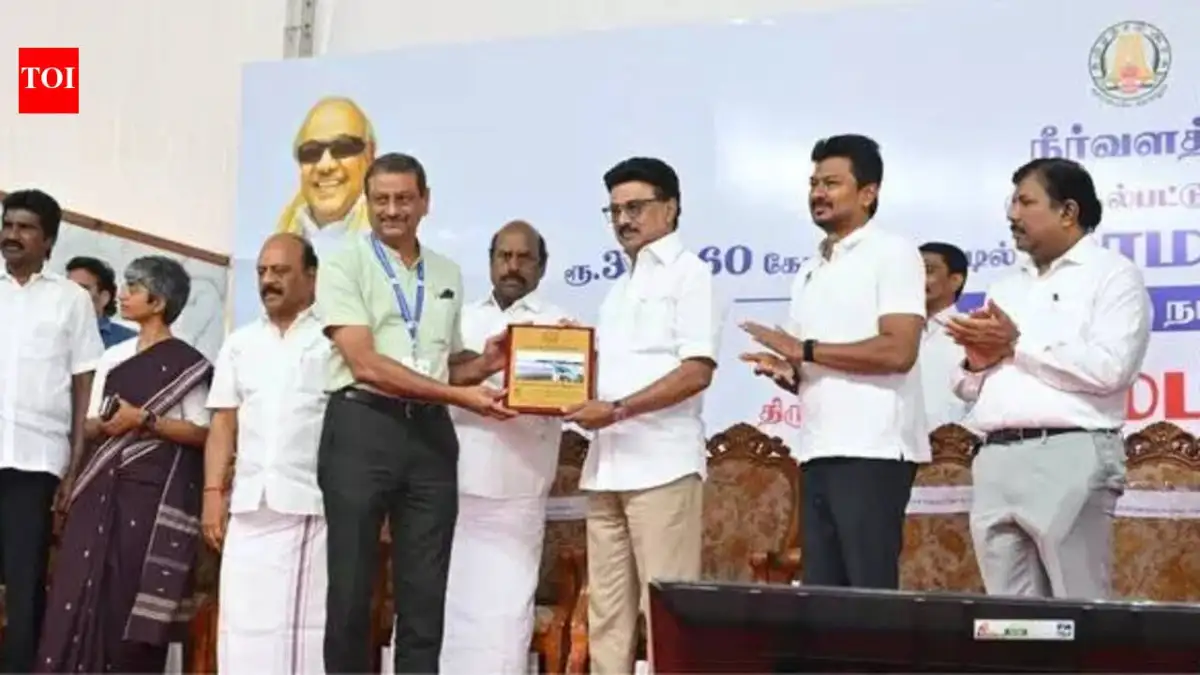
The Mamallan Reservoir project, initiated by Chief Minister M.K. Stalin, aims to create Chennai's sixth drinking water source. The foundation stone for the ₹342.60 crore project was laid on January 19 at Vada Nemmeli, located on the East Coast Road in the Chengalpattu district. This initiative is designed to capture surplus floodwater that currently flows into the sea, thereby augmenting the water supply for Chennai's rapidly expanding southern suburbs and preventing seawater intrusion. The project spans 5,161 acres and is expected to ensure a daily supply of 17 lakh crore litres of water, benefiting approximately 13 lakh residents in areas such as Sholinganallur, Medavakkam, Pallikaranai, Siruseri, Thiruporur, and Mamallapuram.
Read More: Antarctic Sea Ice Changes Due to Ocean Waves

Background of the Mamallan Reservoir Project
The Mamallan Reservoir project was inaugurated by Chief Minister M.K. Stalin with the primary objective of enhancing Chennai's water security.
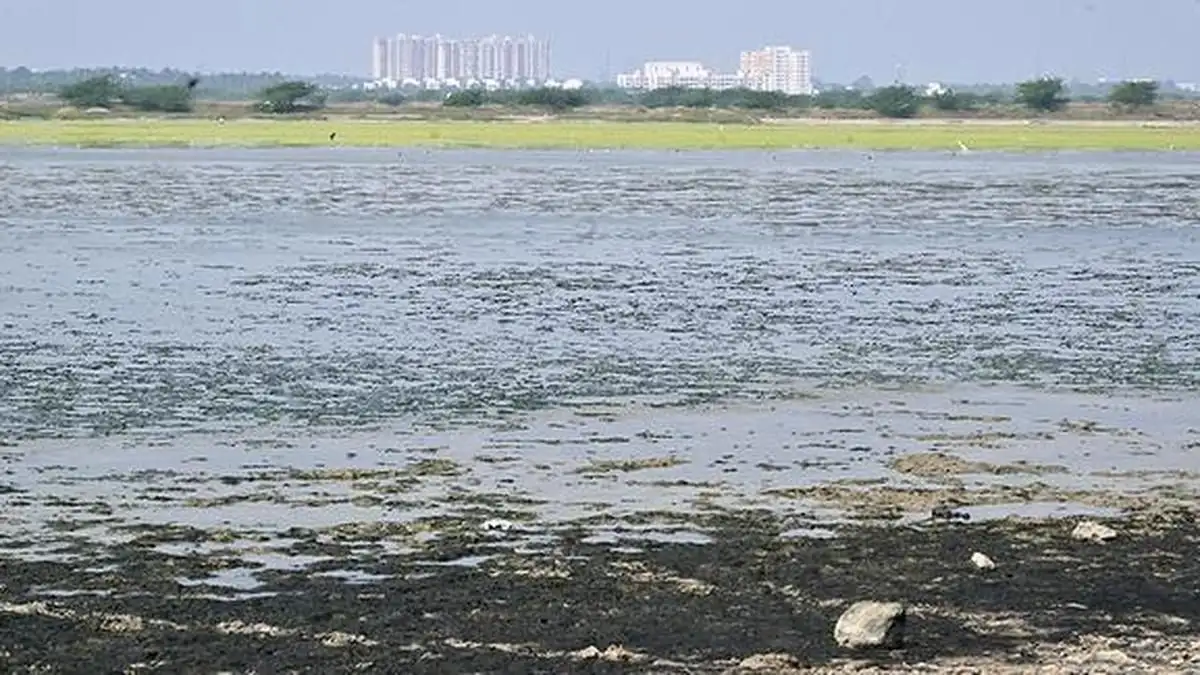
Project Scope: The reservoir is being constructed in the Kovalam basin, encompassing areas between Thiruporur and Thirukazhukundram along the ECR-OMR stretch. The project involves the creation of bunds and the restoration of a 15-km stretch of the Buckingham Canal.
Water Supply Augmentation: The project is slated to provide an additional source of drinking water for Chennai's growing population, particularly in its southern suburbs. It is projected to supply 17 lakh crore litres of water daily and is expected to benefit around 13 lakh people.
Floodwater Capture: A key aim is to capture floodwaters that would otherwise be lost to the sea, thereby improving water availability and mitigating potential flooding.
Seawater Intrusion Prevention: The project also intends to prevent seawater from intruding into the groundwater, a common issue in coastal regions.
Historical Naming: The reservoir is named after the Pallava ruler Narasimhavarman I, also known as Mamallan, who founded the historic town of Mamallapuram.
Budget: The estimated cost of the project is ₹342.60 crore.
Scientific Concerns Regarding Ecological Impact
A significant contingent of scientists has voiced strong objections to the Mamallan Reservoir project, citing potential severe and lasting ecological consequences.

Interference with Tidal Flow: The primary concern revolves around the proposed construction of 4.5-metre bunds within a tidal floodplain. Scientists argue that restricting natural tidal flow will inevitably alter critical environmental parameters.
Alterations to salinity and temperature are anticipated, which directly impact marine life.
Disruption of circulation patterns within the backwater system is also a significant worry.
Impact on Biodiversity: These environmental changes are expected to have a detrimental effect on the region's rich marine biodiversity. Brackish wetlands, which depend heavily on tidal exchange for their health, are particularly vulnerable.
Loss of Natural Flood Buffers: The construction of bunds could remove natural flood buffers, potentially increasing the risks associated with cyclones and storm surges.
Ecotone Transformation: The project aims to convert an ecotone (a transition area between two ecosystems) into a freshwater reservoir. Scientists warn that this conversion could lead to the destruction of existing ecological functions within a single season.
Contradiction with State Policies: The scientists point to Tamil Nadu's own "Ecosystem Health Card" for wetlands and departmental publications on lagoon ecosystems, which emphasize the dependence of brackish wetlands on tidal exchange. The proposed reservoir appears to contradict these established scientific understandings and state-endorsed ecological principles.
Call for Protected Lagoonal Wetland Status: Instead of the reservoir, the scientists advocate for the site to be declared a protected lagoonal wetland. They believe this designation would offer stronger protection for biodiversity, support local fisheries, and enhance climate resilience.
Official Justifications and Counterarguments
Government officials and proponents of the Mamallan Reservoir project have presented justifications for its development, often emphasizing its role in water security and potential economic benefits.
Water Security: The primary justification is to address Chennai's growing demand for drinking water, especially in its southern suburbs. The project is positioned as a crucial step towards ensuring water self-sufficiency.
Flood Management and Seawater Intrusion: Officials contend that the reservoir will act as a flood buffer and prevent seawater from intruding into the groundwater.
Fishermen's Livelihoods: The project plans include restoring stretches of the Buckingham Canal, which is expected to benefit fishermen by improving brackish water flow and creating better fishing grounds. Fishing licenses would also be issued to local fishermen.
Historical Context: The naming of the reservoir after Mamallan and references to historical water management practices by the Pallavas are used to frame the project as part of a long-standing tradition of water resource development in the region.
Rebuttal of Criticism: Chief Minister Stalin has previously addressed criticism, suggesting that some "spread lies" about the government's lack of reservoir construction. He has cited the historical construction of numerous reservoirs during previous DMK administrations to counter such claims.
Potential New Fishing Opportunities: Beyond improving existing fishing grounds, officials suggest the reservoir itself might offer new opportunities for fisheries.
Broader Opposition and Environmental Concerns
Beyond the scientific community, the project has also drawn criticism from environmental groups and local communities, particularly fishermen.
Livelihood Threats: Fishermen have expressed anxiety, stating that the Kovalam salt pan is not just a water body but a lifeline for their families. They fear that the project could negatively impact their livelihood, which is dependent on brackish water fish resources.
Salt Pans as Natural Barriers: Activists highlight that salt pans serve as natural barriers between the sea and land, preventing seawater intrusion and acting as sponges during floods. The alteration or removal of these natural systems raises concerns.
Insufficient Studies: Critics, including political figures and environmental groups like 'Poovulagin Nanbargal,' have argued that insufficient hydrological studies have been conducted. They express concerns about the potential adverse environmental impacts and threats to local communities.
Opposition at Gram Sabhas: Several residents have used Gram Sabhas (village assemblies) to reiterate their opposition and submit petitions against the project, indicating grassroots concern.
Comparison with Other Projects: The article notes that while the Mamallan Reservoir project is moving forward, another water project, the Orathur Reservoir Project, has been stalled due to legal hurdles, indicating potential challenges in large-scale water infrastructure development.
Expert Analysis and Perspectives
The Mamallan Reservoir project has elicited diverse expert opinions, reflecting a spectrum of views on its necessity, environmental implications, and potential benefits.
Ecologists and Marine Biologists: Emphasize the critical role of tidal exchange in maintaining the health of brackish wetland ecosystems. They highlight the potential for irreversible damage to biodiversity due to altered salinity, temperature, and circulation patterns. “Restricting tidal flow, they noted, alters salinity, temperature, and circulation, limiting marine biodiversity.” (Article 1)
Hydrologists: Raise concerns about the potential for increased cyclone-related risks due to the removal of natural flood buffers from bund construction within tidal floodplains.
Coastal Social Scientists: Focus on the socio-economic impacts, particularly on fishing communities whose livelihoods are tied to the existing backwater ecosystem.
Government Officials and Project Proponents: View the reservoir as essential for urban water security, flood mitigation, and preventing seawater intrusion. They also highlight potential benefits for fisheries through canal restoration. “Defending the project in the Kovalam sub-basin, senior officials say it will serve as a flood buffer and avert sea water intrusion.” (Article 8)
Environmental Groups: Express skepticism about the adequacy of environmental impact assessments and advocate for thorough studies before proceeding with such large-scale projects.
Conclusion and Next Steps
The Mamallan Reservoir project represents a significant infrastructure undertaking aimed at addressing Chennai's escalating water demands. However, it has concurrently ignited a robust debate, primarily centered on its potential ecological consequences.
Read More: Lake Powell Water Release May Affect Power and Fish
Conflicting Priorities: The core of the controversy lies in balancing the immediate need for urban water security against the long-term preservation of sensitive coastal wetland ecosystems.
Scientific Consensus: A prominent group of 22 scientists has coalesced around the view that the project, as proposed, poses a grave threat to the Kovalam-Nemmeli backwater system. Their concerns, supported by ecological principles, highlight the potential for irreversible damage.
Government's Position: The Tamil Nadu government, under Chief Minister M.K. Stalin, views the project as vital for Chennai's future water needs and has outlined measures intended to mitigate negative impacts and even provide ancillary benefits, such as to fishermen.
Community Concerns: Local fishermen and environmental advocates have also raised alarms, emphasizing the impact on livelihoods and the ecological services provided by the existing natural systems, like salt pans.
The path forward requires careful consideration of the evidence presented by all stakeholders. Further comprehensive and independent environmental impact assessments may be necessary to thoroughly evaluate the project's risks and benefits. The scientists' suggestion to consider designating the area as a protected lagoonal wetland offers an alternative conservation-focused approach that could address ecological preservation while still exploring sustainable water management solutions for the region. The outcome of this deliberation will have lasting implications for both Chennai's water security and the ecological health of its coastline.
Sources:
The Hindu:
"Scientists urge T.N. CM Stalin to withdraw Mamallan Reservoir proposal" - https://www.thehindu.com/news/national/tamil-nadu/scientists-urge-tn-cm-stalin-to-withdraw-mamallan-reservoir-proposal/article70637762.ece
"CM Stalin lays foundation stone for Mamallan reservoir, proposed as Chennai’s sixth drinking water source" - https://www.thehindu.com/news/national/tamil-nadu/cm-stalin-lays-foundation-stone-for-mamallan-reservoir-proposed-as-chennais-sixth-drinking-water-source/article70525104.ece
"Mamallan drinking water reservoir project: quenching Chennai’s growing thirst" - https://www.thehindu.com/opinion/op-ed/mamallan-drinking-water-reservoir-project-quenching-chennais-growing-thirst/article70560690.ece
The South First:
"Scientists urge Tamil Nadu CM to drop Mamallan Reservoir Project, warn of irreversible ecological damage" - https://thesouthfirst.com/tamilnadu/scientists-urge-tamil-nadu-cm-to-drop-mamallan-reservoir-project-warn-of-irreversible-ecological-damage/
Devdiscourse:
"Controversy Sparks Over Chennai's Mamallan Reservoir Project | Science-Environment" - https://www.devdiscourse.com/article/science-environment/3774588-controversy-sparks-over-chennais-mamallan-reservoir-project
"Mamallan Reservoir: Boosting Chennai's Water Resources | Science-Environment" - https://www.devdiscourse.com/article/science-environment/3774484-mamallan-reservoir-boosting-chennais-water-resources
NewKerala:
"Mamallan Reservoir Launched by CM Stalin to Secure Chennai's Water" - https://www.newkerala.com/news/a/tn-cm-stalin-launches-rs-342-6-crore-mamallan-509.htm
The Times of India:
"Stalin lays foundation stone for 342cr Mamallan reservoir on ECR | Chennai News - The Times of India" - https://timesofindia.indiatimes.com/city/chennai/stalin-lays-foundation-stone-for-342cr-mamallan-reservoir-on-ecr/articleshow/126710586.cms
"Chennai water boost: CM M K Stalin lays foundation stone for Rs 342.6-crore Mamallan reservoir on ECR; 13 lakh to benefit | Chennai News - The Times of India" - https://timesofindia.indiatimes.com/city/chennai/chennai-water-boost-cm-m-k-stalin-lays-foundation-stone-for-rs-342-6-crore-mamallan-reservoir-on-ecr-13-lakh-to-benefit/articleshow/126672596.cms
UNI India:
"Stalin lays foundation for new reservoir 'Mamallan', to be Chennai’s sixth drinking water source" - https://www.uniindia.com/stalin-lays-foundation-for-new-reservoir-mamallan—to-be-chennai-s-sixth-drinking-water-source/south/news/3711672.html
Chennaionline:
"Stalin Lays Foundation for Mamallan Reservoir – Chennaionline" - https://www.chennaionline.com/news/stalin-lays-foundation-for-mamallan-reservoir/
"Orathur Reservoir Project Stalled Amid Legal Hurdles – Chennaionline" - https://www.chennaionline.com/news/orathur-reservoir-project-stalled-amid-legal-hurdles/
DTNext:
"Drop Chennai's sixth reservoir project, urge fishermen" - https://www.dtnext.in/news/tamilnadu/drop-chennais-sixth-reservoir-project-urge-fishermen-856221
New Indian Express:
"Tamil Nadu CM MK Stalin lays foundation stone for Mamallan reservoir project along ECR" - https://www.newindianexpress.com/states/tamil-nadu/2026/Jan/19/tamil-nadu-cm-mk-stalin-lays-foundation-stone-for-mamallan-reservoir-project-near-nemmeli
Social News XYZ:
"TN CM Stalin launches Rs 342.6 crore Mamallan reservoir to secure water for Chennai - Social News XYZ" - https://www.socialnews.xyz/2026/01/19/tn-cm-stalin-launches-rs-342-6-crore-mamallan-reservoir-to-secure-water-for-chennai/