


CHEMICAL CONCERNS PROMPT SHIFT IN ATHLETIC APPAREL
A growing movement toward healthier living is now casting a critical eye on the fabrics that cling closest during strenuous activity. Concerns are mounting over the potential health ramifications of chemical treatments in conventional activewear, leading to a surge in demand for what is being termed 'nontoxic activewear'. This push is not merely a fleeting wellness fad, but a substantive shift driven by research into the risks associated with chemically laden clothing, particularly as our skin's pores widen during exertion, increasing absorption.

The core of the issue lies in the materials and treatments used in activewear, with a spotlight on chemicals like PFAS, known for their persistence in the environment and potential health effects. Consumers are increasingly scrutinizing labels, seeking garments crafted from materials like organic cotton, hemp, TENCEL™ Lyocell, and merino wool, often prioritizing certifications such as OEKO-TEX® and GOTS to ensure a lower-impact, safer product.
Read More: US Dengue Fever Cases Rise 350%, CDC Warns Travelers
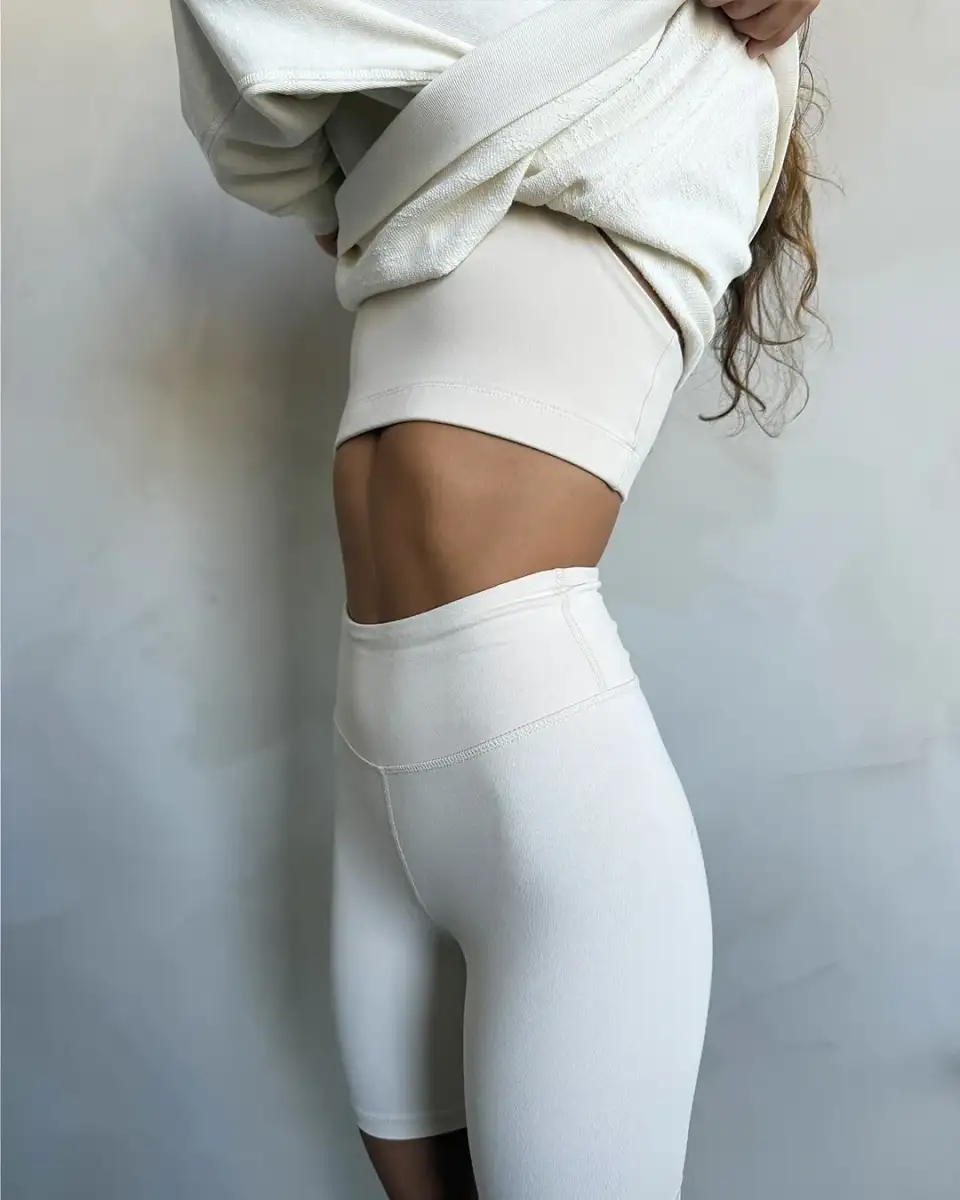
THE RISE OF 'NONTOXIC' BRANDS AND MATERIALS
A wave of brands is responding to this demand, championing materials that eschew synthetic chemicals. These labels focus on low-impact, breathable fabrics that are kinder to both skin and the planet.

Key Materials:
TENCEL™ Lyocell: Derived from eucalyptus, this is highlighted for its softness and biodegradability. Some brands differentiate between TENCEL™ Lyocell and TENCEL™ Modal (from beechwood).
Organic Cotton: Grown without synthetic pesticides or fertilizers, offering a natural, breathable alternative.
Merino Wool: Valued for its natural performance properties, moisture-wicking capabilities, and inherent antimicrobial qualities.
Hemp and Linen: Also noted for their natural, durable, and breathable characteristics.
Brands like Indigo Luna, Patagonia (noted for low-tox mentions), Reprise Activewear, Ryker Clothing Co., and BAM Clothing are frequently cited for their commitment to these principles. Ryker Clothing Co., for instance, stands out with its dedication to independent, third-party testing for chemicals like BPA and PFAS, in addition to GOTS and OEKO-TEX® certifications.

THE SCIENCE BEHIND THE SWEAT
The argument for nontoxic activewear is underpinned by scientific understanding of skin absorption. When the body sweats, pores open, creating a more receptive pathway for chemicals present in clothing to enter the bloodstream. This makes the first layer of clothing—what touches the skin directly—particularly significant for overall health and well-being. The movement advocates for a holistic approach, extending the same care given to food and skincare to the garments worn during physical activity.
Read More: Fashion Week Sydney: Uninvited Guests Spend Big for Photos
BEYOND THE GYM
The appeal of nontoxic activewear extends beyond the workout. Discussions are emerging around styling these pieces for everyday wear, indicating a broader integration into daily wardrobes. This suggests a shift from activewear being solely functional for exercise to also being a conscious choice for daily comfort and health.
A NEW FRONTIER IN CONSUMERISM
This evolving landscape reflects a broader consumer trend: a heightened awareness and demand for transparency and safety in product manufacturing. From food to fashion, individuals are seeking to align their purchasing decisions with their values, prioritizing well-being and environmental consciousness. The activewear sector is merely the latest arena for this critical reassessment.


