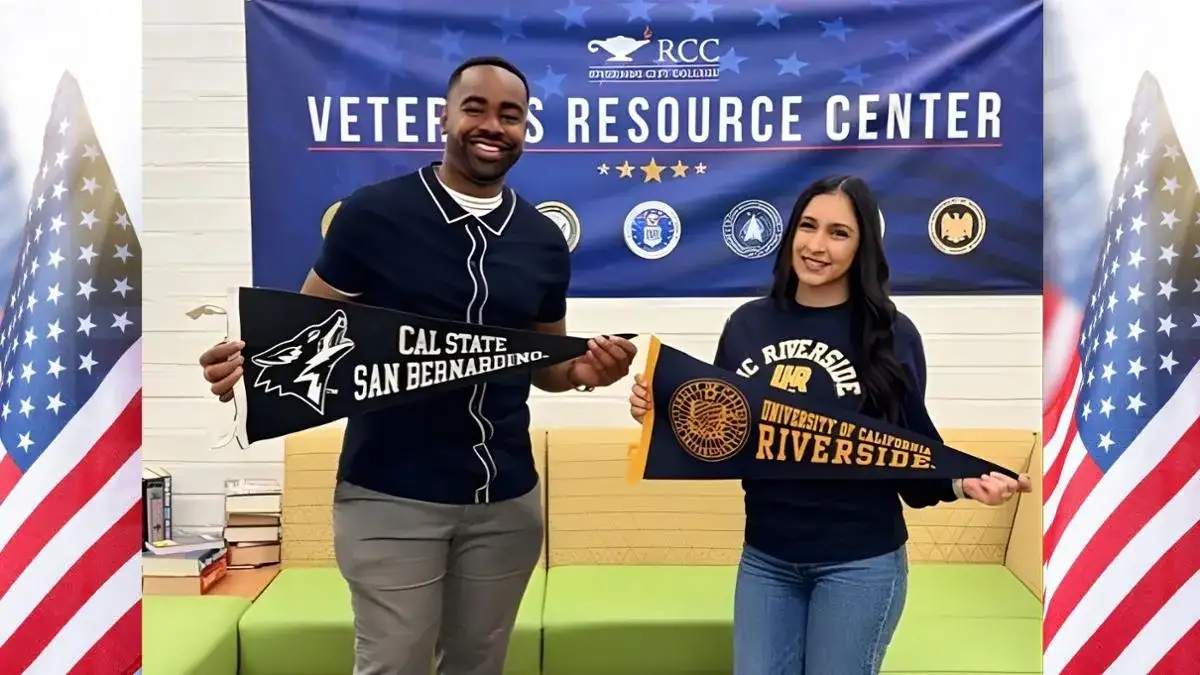
Riverside City College (RCC) is positioning itself as a critical juncture for veterans navigating the transition from military to higher education, particularly aiming to streamline their paths to California State University (CSU) and University of California (UC) campuses. This initiative, bolstered by state grants, seeks to address the documented challenges veterans face upon returning to civilian life, offering structured support that goes beyond basic academic enrollment.
The college launched its Veterans Transfer Pathway Program in Fall 2025, fueled by a 'Veterans Mental Health Grant', with the explicit goal of reducing obstacles to transfer. The program provides individualized planning, guidance on admission prerequisites, and direct assistance with navigating the complex 'VA educational benefits' certification processes. This aims to prevent disruptions in benefits and ensure timely academic progression.
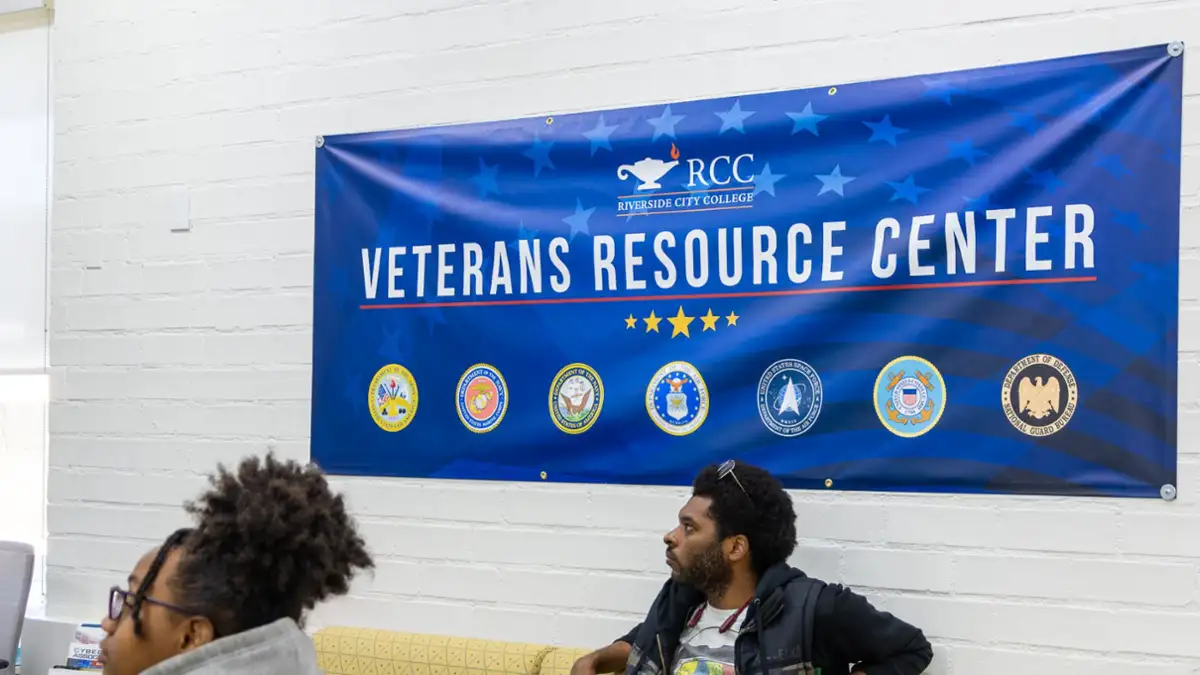
One significant facet of this effort involves the RCC Veterans Resource Center (VRC), which was awarded the 'Veterans Mental Health Demonstration Project Grant' from the California Community College Chancellor's Office. RCC is among only ten institutions statewide selected for this project, which prioritizes the enhancement of institutional support structures and the provision of "burden-free mental health care" for veteran students.
Read More: Google Learn About AI Tool Released April 2026 For Simple Learning
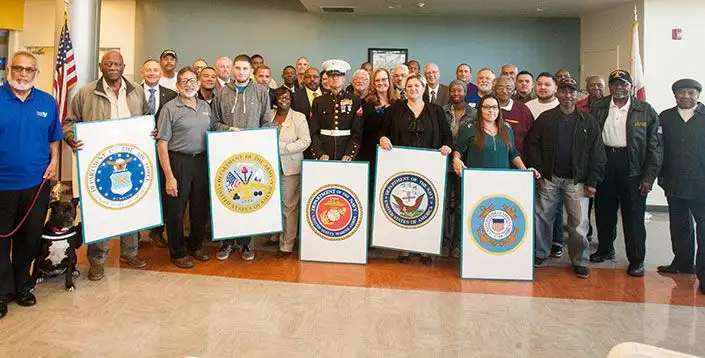
The program highlights the critical role of peer support. Arif Rachman, a current RCC nursing student, offers guidance to fellow veterans on prerequisites and VA benefits, a crucial function given the historical strains on veteran support services. A past report from 2021 noted the VRC had minimal staff, with a single full-time individual certifying benefits and a counselor-to-student ratio that created "long waiting periods."

CLOSING THE GAP FOR VETERANS
The Veterans Transfer Pathway Program directly tackles the overwhelming nature of entering academia after military service. For individuals like Aaron Ayala Carrera, the transition back into academic settings can be daunting. RCC's program aims to build confidence and provide clear steps, with early participants already making moves towards four-year institutions.
A dedicated webpage, the RCC-to-CSU/UC Pathway, has been developed by Peña Gama, who leveraged her own transfer experience. This resource facilitates one-on-one appointments with peer liaisons and centralizes information on key university and RCC support systems. The program also acknowledges the increasing number of veterans enrolling in specialized fields, such as RCC's Nursing Program.
Read More: Veteran Denied VA Cancer Care Due to Income
NAVIGATING BENEFITS AND REQUIREMENTS
RCC's Veterans Services Office plays a role in managing student education plans and ensuring compliance with VA regulations. Students are required to report any changes in their academic schedule to this office, which then assists in preparing a 'VA Student Education Plan (SEP)'.
BACKGROUND CONTEXT
The challenges faced by student veterans are a recurring theme. In 2021, the RCC Veterans Resource Center operated with a limited staff, impacting the accessibility of crucial support. This underscores the significance of grant funding in expanding services.
Nationally, 'veterans' face varied degrees of hardship upon returning to civilian careers. Institutions like RCC are increasingly recognized for their efforts in bridging the gap between military service and higher education. The California Community College system, in general, prioritizes veterans with features like priority registration and dedicated Veterans Resource Centers across its campuses. RCC participates in federal programs for veterans, including the 'GI Bill®' and 'Yellow Ribbon Program', although it was not included in a recent 'Best Schools for Veterans' ranking. Currently, the VA reports 327 GI Bill® students at Riverside City College.
Read More: OCDSB approves $3.5M budget deficit on April 7 2026 under oversight