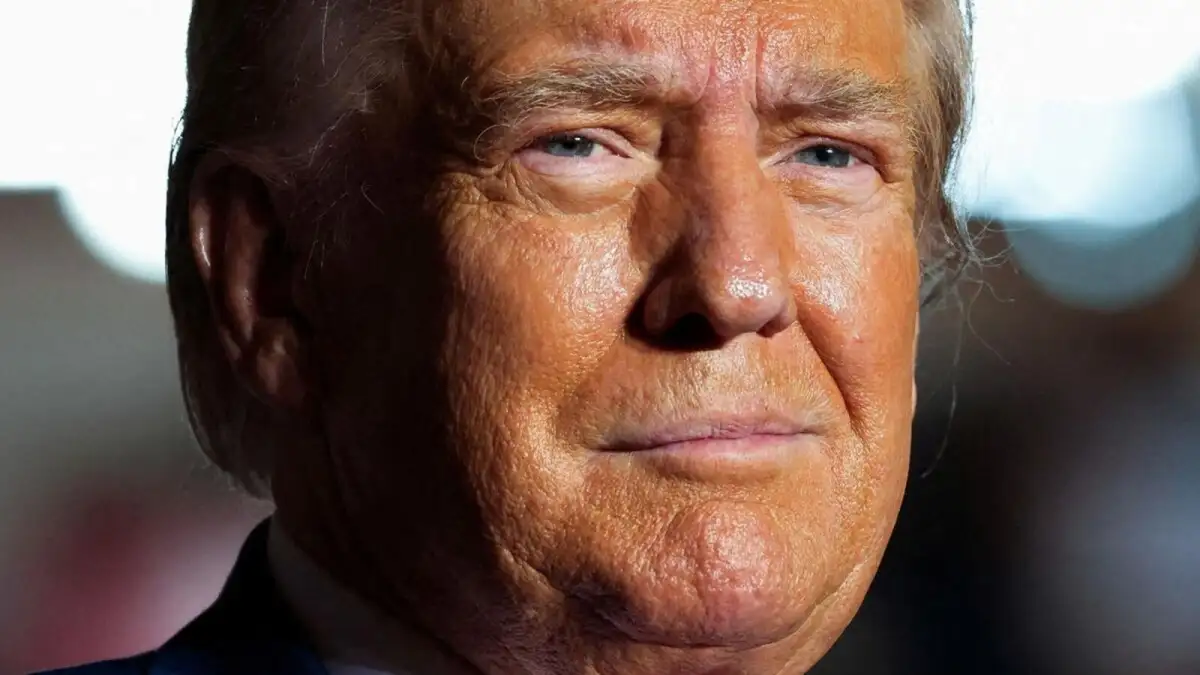
As the midterm elections loom, a clear, if somewhat volatile, Republican strategy appears to be coalescing around the figure of Donald Trump. Despite mixed signals regarding his current standing, party strategists seem to be pinning their hopes on leveraging his influence, even as they grapple with shifting political tides and external events like the ongoing conflict in Iran. The core challenge, it seems, is to convince voters that the pre-war status quo under Trump was superior to the present.
Messaging and Mobilization: The Trump Equation
Key to this approach is the notion of "localizing the election" and keeping federal officials less involved, while paradoxically ensuring Trump remains a central, albeit indirect, presence on the ballot. This tactic aims to capitalize on his enduring appeal and ability to drive voter engagement.
A central tenet is getting voters to "get engaged as though Trump is on the ballot." This suggests a strategy of indirect activation, where his supporters are mobilized without him necessarily being a direct candidate.
Advisers acknowledge a need for a unified message, with Trump himself seen as a significant draw.
The NRSC (National Republican Congressional Committee) is reportedly aligned with this strategy, indicating a party-wide effort.
Despite close margins in the House, some within the Trump orbit dismiss the idea of Democratic victories, underscoring a confidence in their ability to rally support.
External Shocks and Internal Debates
The evolving situation in Iran presents a significant, yet perhaps manageable, challenge to the GOP's electoral calculus. The conflict raises questions about how to frame the narrative and counter potential criticisms, especially concerning national security and economic stability.
Read More: Taiwan Holds Nantou County Drills to Prepare for State Collapse
Recent election performances, including losses in the New York City mayoral race, highlight potential vulnerabilities.
Despite these setbacks, the party holds slim majorities in both the House of Representatives (219 to 214) and the Senate (53-47).
Pollsters like Whit Ayres suggest a simple, if not entirely reassuring, path: getting Trump back on the road and holding rallies.
Core Issues and Voter Concerns
Beyond the immediate Trump focus, economic concerns and affordability are emerging as critical battlegrounds. Republicans appear intent on highlighting their promises on issues like tariffs and immigration, while also advocating for extensions of tax cuts.
Messaging on immigration is considered a strong point, with an emphasis on fulfilling election promises.
Policies like "No Tax on Tips" and the extension of Trump-era tax cuts are being pushed.
Concerns about government spending and potential cuts to social programs are also being leveraged, framed as a critique of the opposing approach.
Democrats, meanwhile, are reportedly broadening their strategy, expanding their focus beyond a limited number of races and delving into competitive districts, with several candidates centering their campaigns on economic issues.
Background
The Republican party's midterm strategy appears to be in a state of flux, attempting to harness the energy of Donald Trump while navigating an uncertain political landscape. While Trump remains a powerful, if polarizing, force, his direct impact on electoral success is a subject of ongoing debate, with recent approval trajectories suggesting a need for him to rebound for the party's benefit. The party's slim majorities in Congress underscore the high stakes of these upcoming elections.