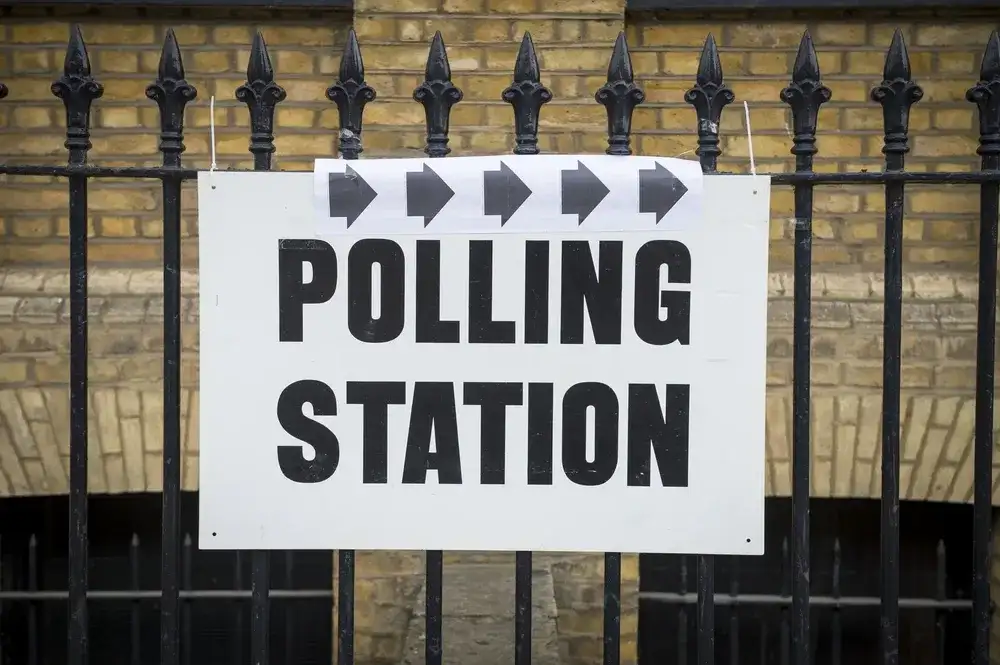
London, England – May 8, 2026 – Early results from local elections across England paint a stark picture of a fragmented political map, with Reform UK emerging as a significant force, making substantial gains, particularly at the expense of the Labour Party. In a notable shift, Labour has lost control of several councils, including Tameside, Exeter, and Oxford, while Reform UK has secured numerous seats. The Green Party has also seen shifts, losing seats in some areas where Labour has faltered.

The electoral performance reveals a clear correlation between Reform UK's success and areas that voted for Brexit in 2016, indicating a potent bloc of support tied to that historical decision. Conversely, the Green Party's support appears stronger in regions that did not vote for Brexit. This divergence highlights a deeper fracturing of allegiances, suggesting that traditional party structures are being significantly challenged.
Read More: London Elections: Reform UK Gains, Labour Faces Setbacks

In Tameside, a council previously under Labour control, a pronounced swing towards Reform UK has resulted in Labour losing its grip. Similarly, in Exeter, Labour dropped four seats, ceding council control. While Reform UK also made gains in Salford, Labour managed to retain overall control of that council. London has also seen Reform UK pick up eight seats while Labour secured just one in initial declarations. Across England, Labour's overall vote share in declared seats is reported to be down significantly, with one analysis suggesting they are losing 87% of seats declared so far.

The implications extend beyond local governance, with projections indicating that this performance could portend broader shifts in national political dynamics. Reform UK's success is seen by some analysts as threatening the long-standing two-party dominance of Labour and the Conservatives. The party is reported to be ahead in more local council seats than every other party combined in the early stages of the count.
Read More: Sunderland Manager Wants Clearer Rules After Ballard Hair Pull Red Card

Background: A Volatile Electorate and Shifting Allegiances
These local elections come amid an electorate described as increasingly volatile. The rise of Reform UK, often positioned as a right-wing populist force, is seen by commentators as a response to, or perhaps a symptom of, broader public dissatisfaction and economic anxieties. The party's performance in areas with a strong pro-Brexit sentiment suggests it has successfully tapped into a specific demographic and ideological current.
The Conservative Party, while not the primary focus of these early results, has also been cautioned against forming alliances with Reform UK. Meanwhile, the Labour Party faces questions about leadership and strategy as it navigates these unexpected losses. The electoral landscape appears to be reconfiguring, with no single party holding an undisputed advantage, demanding adaptation from all political actors.