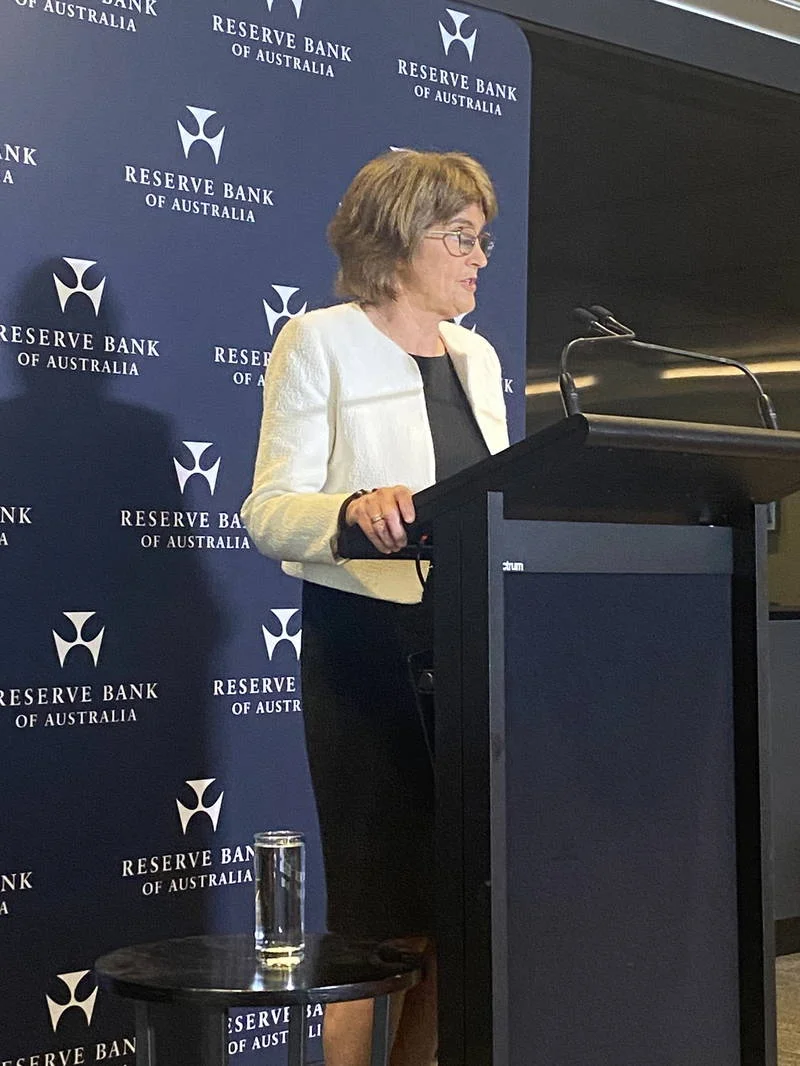
The Reserve Bank of Australia (RBA) has just delivered a jolting surprise, hiking interest rates for the first time in over two years, pushing the cash rate to 3.85%. This move, driven by stubborn inflation, throws a significant curveball at mortgage holders and raises critical questions about the RBA's strategy and its impact on ordinary Australians. As the cost of living bites, this decision forces us to scrutinise the path ahead. Is this a necessary evil, or a misstep that will inflict unnecessary pain?
The RBA's decision to lift the cash rate from 3.6% to 3.85% has sent shockwaves through the economy. Governor Michele Bullock acknowledged that this would mean hardship for borrowers, but insisted that allowing inflation to run unchecked would be far worse. Yet, this abrupt shift, after a period of rate cuts, has left many bewildered and concerned.
Read More: Retirees Need Cars But Worry About Money
Inflation's Stubborn Grip: The primary justification for the hike is that inflation remains "too strong," expected to stay above the RBA's 2-3% target band for longer than anticipated.
Drivers of the Surge: The RBA points to stronger-than-expected household spending, investment, and housing activity as key contributors to this inflationary pressure.
A "Narrow Path": Governor Bullock described the RBA's challenge as walking a "narrow path" – trying to curb inflation without damaging the labour market.
The Rollercoaster of Recent Rate Decisions
To understand the RBA's latest move, we need to rewind and examine the recent trajectory of interest rates. The past year has been a period of considerable fluctuation, leaving consumers and businesses playing a constant game of catch-up.
August 2025: A Glimmer of Hope? Just six months ago, the RBA was cutting rates, with Governor Bullock indicating that further cuts might be on the horizon. This decision brought much-needed relief to mortgage holders, with some of the major banks passing on the savings.
"Governor Michele Bullock said a larger cut wasn't discussed, but indicated there could be further rate cuts still to be handed down this cycle." (9news.com.au, Aug 12, 2025)
July 2025: Rates Held Amidst Uncertainty: Before the August cut, the RBA had kept rates on hold in July 2025. This decision, made on a 6-3 vote split among board members, was met with disappointment by some, including the Housing Industry Association, who felt it was a missed opportunity. At the time, global uncertainty and trade war fears were cited as significant factors.
"Bullock: ‘Really good’ the Government is focusing on productivity" (thenightly.com.au, Jul 8, 2025)
Throughout 2025: A Trend Towards Easing: For much of 2025, the narrative was one of declining inflation and the potential for further easing. The RBA had cut rates three times in the lead-up to the August decision, reflecting a period of cautious optimism about bringing inflation under control.
Why the Sudden U-Turn? Digging Deeper into Inflation
The RBA's assertion that inflation is "too strong" necessitates a closer look at the underlying data and the RBA's interpretation. What exactly is driving this resurgence, and is the RBA's diagnosis accurate?
Read More: Superquiz Puzzles Are Still Available for Subscribers
The decision to hike rates, especially after a period of cuts, suggests that the RBA's economic models and forecasts may have underestimated the persistence of inflationary pressures.
| Key Inflation Drivers Cited by RBA | Potential Contributing Factors |
|---|---|
| Stronger household spending | Pent-up demand, government stimulus |
| Increased investment activity | Business confidence, infrastructure projects |
| Robust housing market | Low supply, investor demand, migration |
Governor Bullock's admission that productivity growth is weak – a factor outside the RBA's direct control – adds another layer of complexity. If the economy is struggling with productivity, this can exacerbate inflationary pressures, making it harder for the RBA to achieve its targets without significant intervention.
Is the RBA reacting too strongly to a temporary uptick, or are they accurately identifying a more systemic inflationary problem?
Could the focus on interest rates distract from the need for deeper structural reforms to boost productivity?
The Burden on Borrowers: A Necessary Pain?
The most immediate consequence of this rate hike falls squarely on the shoulders of mortgage holders. For many, rising interest repayments mean less disposable income and increased financial strain.
Read More: India's Market Rules Made Simpler to Help Businesses and Investors
"Governor Michele Bullock acknowledged that rising interest rates meant pain for borrowers but warned that leaving inflation unchecked would ultimately be worse for households and the broader economy." (sbs.com.au)
This statement, while technically true, offers little comfort to those already struggling with the cost of living. The RBA's mandate is to ensure price stability, but at what human cost?
What specific measures are in place to support households disproportionately affected by this rate hike?
How will this decision impact consumer confidence and spending in the coming months?
Will banks pass on the full extent of the rate hike to mortgage holders, or will there be any buffer?
Beyond Interest Rates: The RBA's Broader Role
The RBA's functions extend beyond setting the cash rate. It plays a crucial role in the smooth operation of the financial system, including processing transactions between banks and distributing currency. Understanding these fundamental roles helps contextualise the power the RBA wields.
Read More: Protests in Melbourne During Israeli President's Visit
"When money goes from one bank to another… the money comes through the Reserve Bank. Now this interest rate influences other interest rates in the economy, such as those charged on your loans, or those you earn on your savings." (rba.gov.au)
The RBA's influence is far-reaching, and its decisions have a ripple effect across every facet of the economy.
The "Good Character" Debate: A Distraction or a Parallel Concern?
Interestingly, alongside the RBA's rate decision, there's a significant legal debate unfolding in Australia concerning criminal sentencing. Top lawyers are raising concerns that preventing courts from considering an offender's "good character" in sentencing will not lead to better outcomes, particularly for marginalised groups.
Dissenting Voices: Bar Association members Felicity Graham and Richard Wilson, SC, argued that recognising good character encourages rehabilitation.
Counter Argument: The Sentencing Council rejected this, stating the real barrier to equal justice is underfunding of services like Legal Aid and the Aboriginal Legal Service.
NSW Government's Stance: The NSW government plans to scrap "good character" as a mitigating factor.
Read More: Money Spent, Project Slow: Questions About Sector 7G Funds
While seemingly distinct, this debate touches on broader questions of fairness, rehabilitation, and the effectiveness of systemic interventions. Could the RBA's decision to hike rates, potentially causing widespread financial hardship, be seen as another instance where systemic issues are addressed with blunt, broad-stroke measures rather than nuanced, targeted solutions?
Conclusion: Navigating the Uncertain Path Ahead
The RBA's decision to raise interest rates is a stark reminder that the fight against inflation is far from over. Governor Bullock's defence of the move, while logical from a central banking perspective, underscores the difficult trade-offs involved.
The Path Forward: The RBA has signalled that further rate hikes are possible if inflation persists, leaving borrowers in a state of heightened anxiety.
Economic Credibility Tested: This move could also impact the government's economic narrative, particularly after it took credit for bringing inflation under control prior to the last federal election.
Unanswered Questions: The core questions remain: Was this hike an overreaction, or a necessary step to prevent a more severe economic outcome? How will ordinary Australians weather this latest storm? And, critically, is the RBA's current approach sustainable in the long term, or are more fundamental economic and social issues being overlooked?
Read More: Many Protests Happen in Australian Cities
The RBA is walking a tightrope, and the consequences of its missteps could be felt for years to come. As free-thinkers and critical observers, we must continue to demand transparency and accountability from our institutions, especially when their decisions have such profound impacts on the lives of everyday Australians.
Sources:
'Inflation is too strong': RBA hikes rates for first time in more than two years — as it happened
RBA interest rates decision: Reserve Bank increases cash rate to 3.85% in blow to mortgage holders
As it happened: Relief as RBA hands down long-awaited rate cut
RBA governor puts rate hike on the table, says no more cuts on the horizon — as it happened
Read More: Northern Ireland Gets £400 Million for Health and Schools