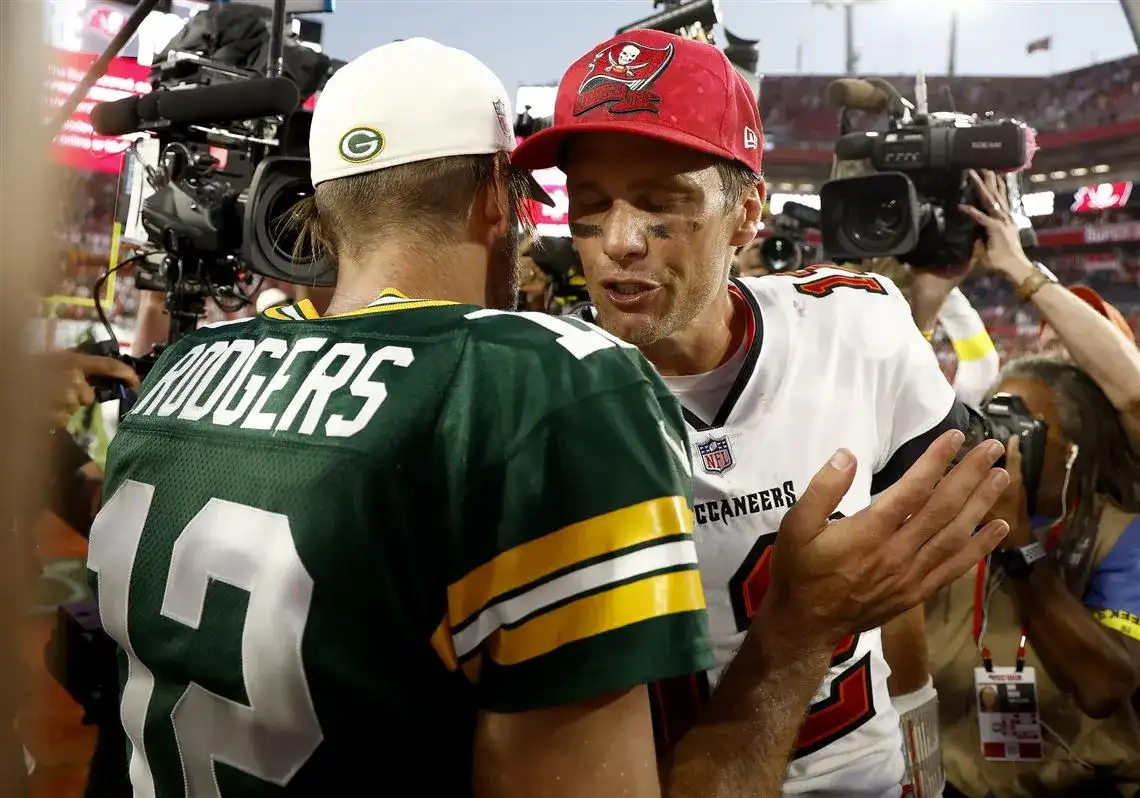
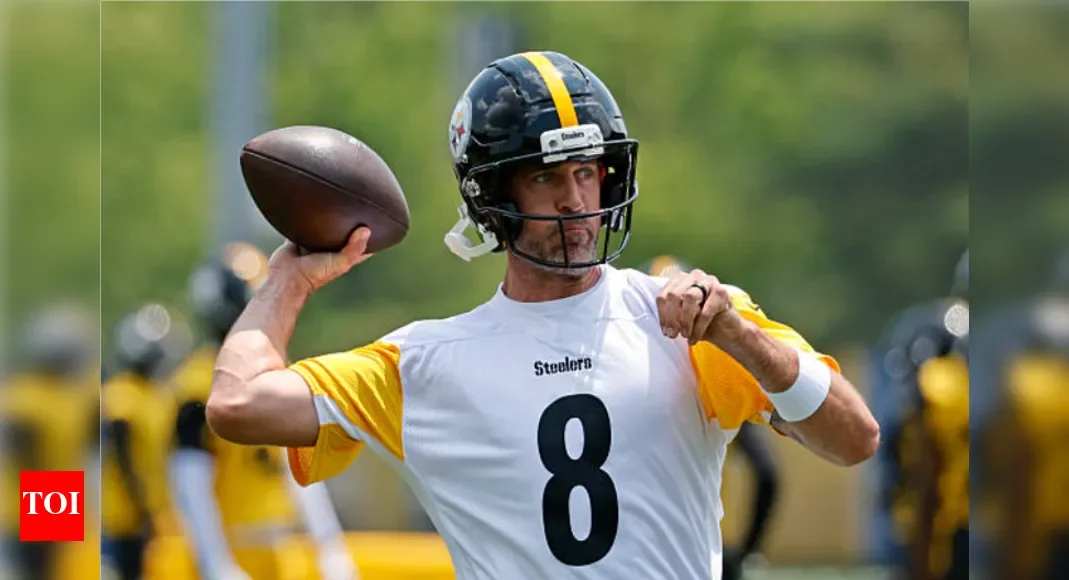
The Pittsburgh Steelers have officially secured Aaron Rodgers on a one-year contract, marking his 22nd season in the professional league. Despite public division regarding the decision, the organization’s front office maintains that retaining the four-time MVP is the optimal path for their 2026 campaign.
The franchise is prioritizing short-term continuity over a full roster rebuild, betting that the veteran signal-caller provides the highest ceiling for postseason viability.
Structural Decisions and Roster Realignment
The move follows a series of offseason adjustments clearly calibrated for an aging quarterback's specific requirements. The front office appears to have operated with this singular objective throughout the free agency period:
Roster Stability: The organization recently finalized a two-year deal for defensive tackle Cameron Heyward, signaling a commitment to maintaining a veteran-heavy core.
Strategic Window: Recent personnel shifts, including the temporary rotation of wide receivers last season, suggest an internal effort to refine the offensive execution under the West Coast Offense (WCO) framework, which utilizes high-frequency route patterns like the hitch.
Historical Precedent: The success rate for quarterbacks starting at age 42 or older is statistically narrow, with Tom Brady serving as the singular modern archetype for sustained output at this stage.
Organizational Rationale
While fans remain polarized, management’s posture is not framed as a search for a long-term successor but rather a pragmatic choice to maximize the current personnel's potential.

"Bringing Rodgers back for another year isn't pushing off the inevitable or a desperate attempt to win a playoff game."
This internal perspective argues that Rodgers demonstrated sufficient utility during the 2025 playoff run to justify his return. The organization views the current roster as being in a state of "advantageous positioning," suggesting they believe the supporting cast is now better equipped to complement the veteran's style of play than it was during the previous season.
Read More: FIFA World Cup 2026 Revenue Reaches $15 Billion With New Ticket Prices
Contextual Trajectory
The return of Rodgers follows a complex 2025 period for the team, characterized by significant leadership transitions, including the departure of longtime coach Mike Tomlin. The team's decision to bring the veteran back into the fold despite his release from New York last year reflects a high-stakes calculation. By choosing to bypass an immediate total rebuild, the Steelers are attempting to navigate a narrow window of competitive opportunity, placing immense weight on Rodgers’ physical longevity and tactical experience to overcome the historical scarcity of success for quarterbacks his age.
Read More: F1 Powerboat Championship returns to Pittsburgh in July 2027