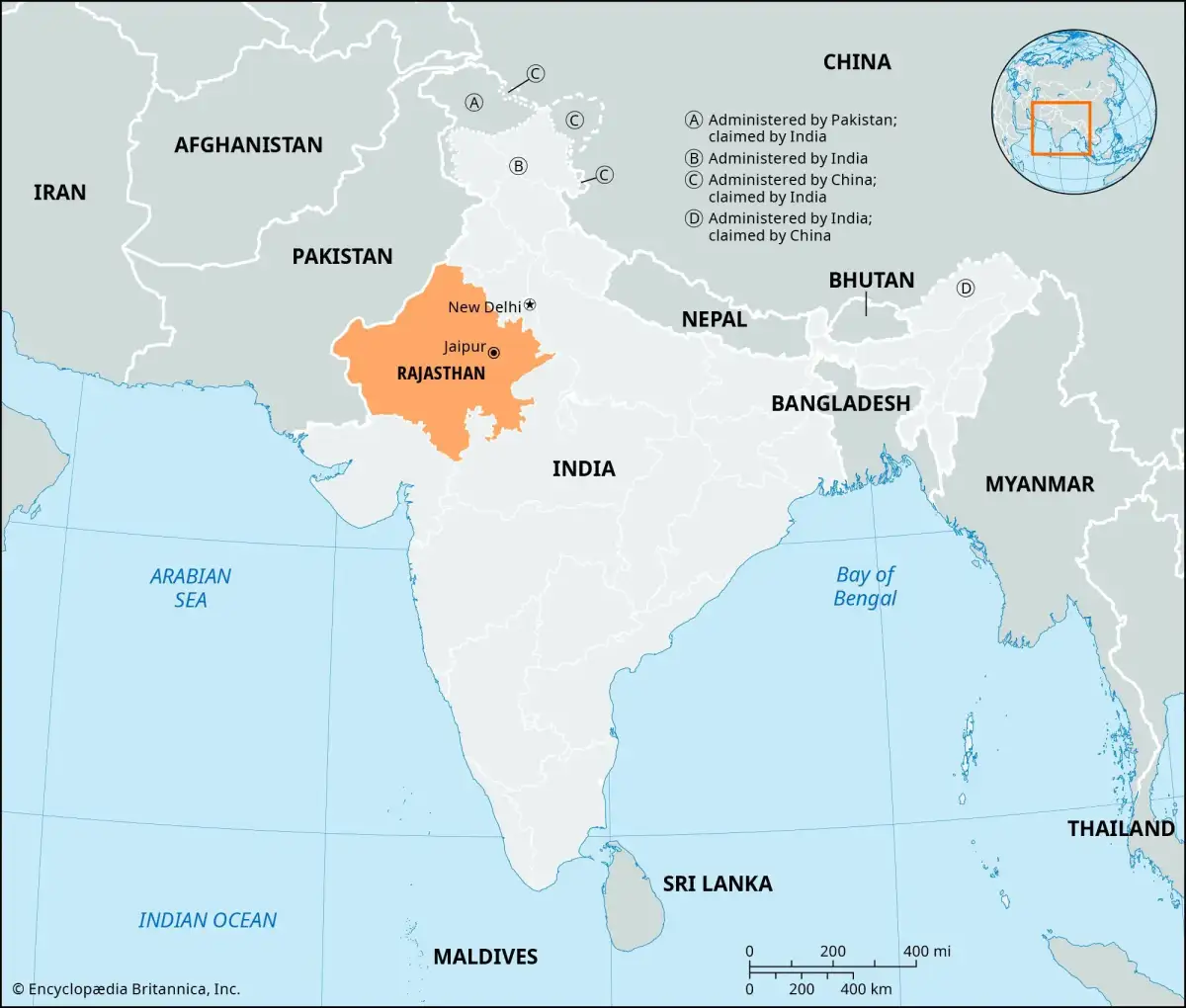
The Rajasthan High Court has issued a directive for the immediate conduct of panchayat and local body elections across the state, setting a hard deadline of July 31, 2026, for their completion. The court's order, a response to persistent delays and a call for democratic process, places a firm onus on the state election commission and the government to operationalize these foundational levels of governance.
The judicial intervention comes after considerable inaction on the part of state authorities, raising questions about the deliberate stagnation of democratic representation at the grassroots. This ruling effectively moves the decision-making power on election scheduling from administrative discretion back to a judicially enforced timeline.
Background:The panchayat raj system, a cornerstone of decentralized governance in India, has historically been a significant feature of Rajasthan's administrative landscape. The state has grappled with the intricacies of land and soil types, particularly in its central regions where sandy, low-clay content soils are prevalent. While such environmental factors are a constant, the political and administrative machinery has repeatedly faltered in upholding the electoral cycle mandated by the constitution. The capital and population demographics, while foundational to the state's identity, remain secondary to the immediate crisis of democratic vacuum at the local level.
Read More: Taiwan Holds Nantou County Drills to Prepare for State Collapse