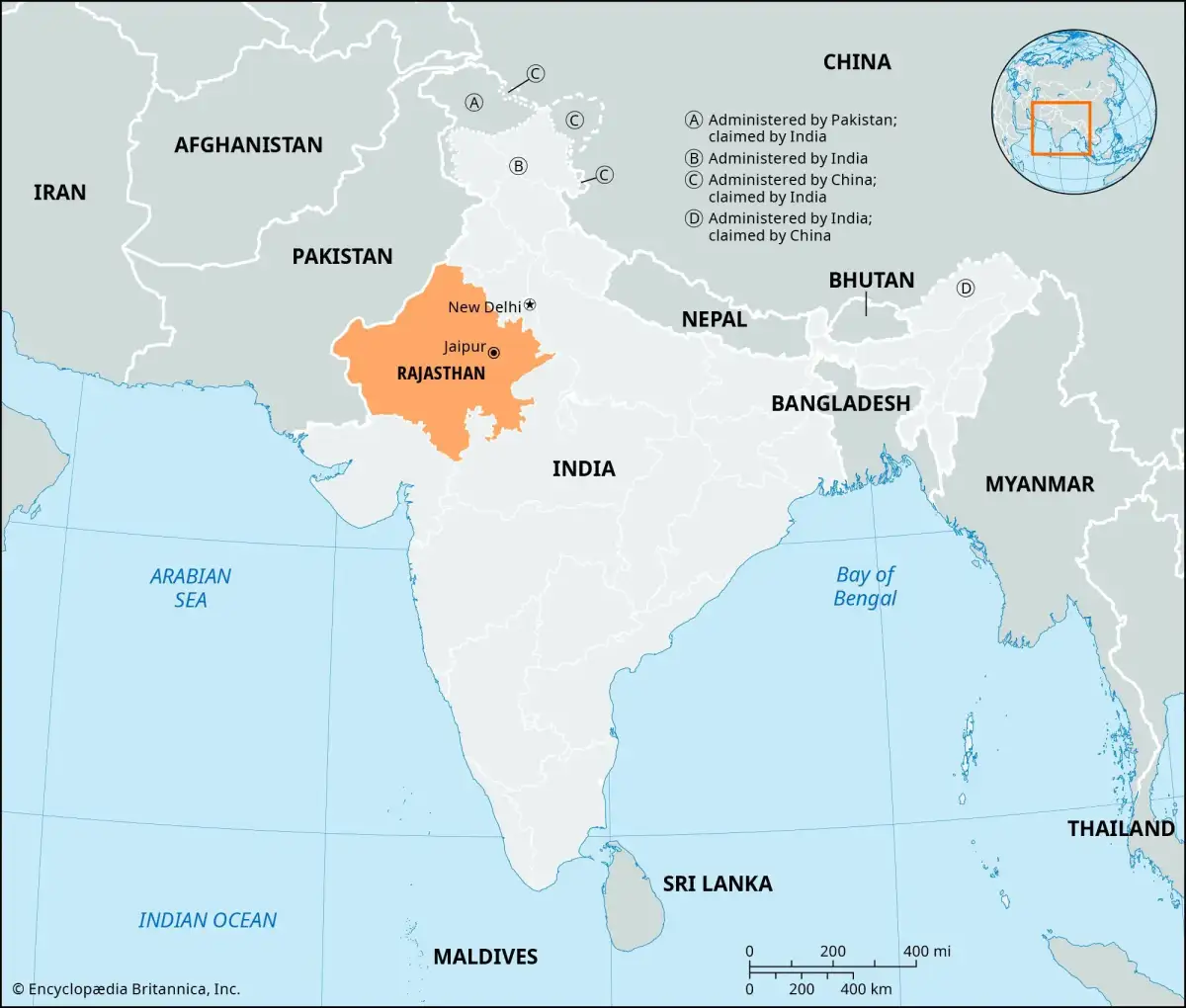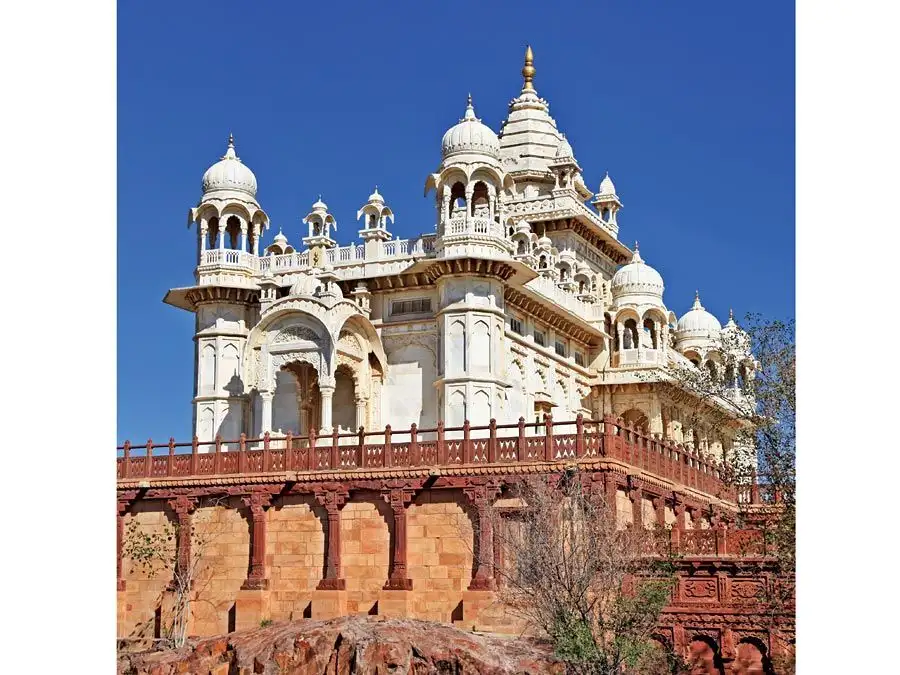
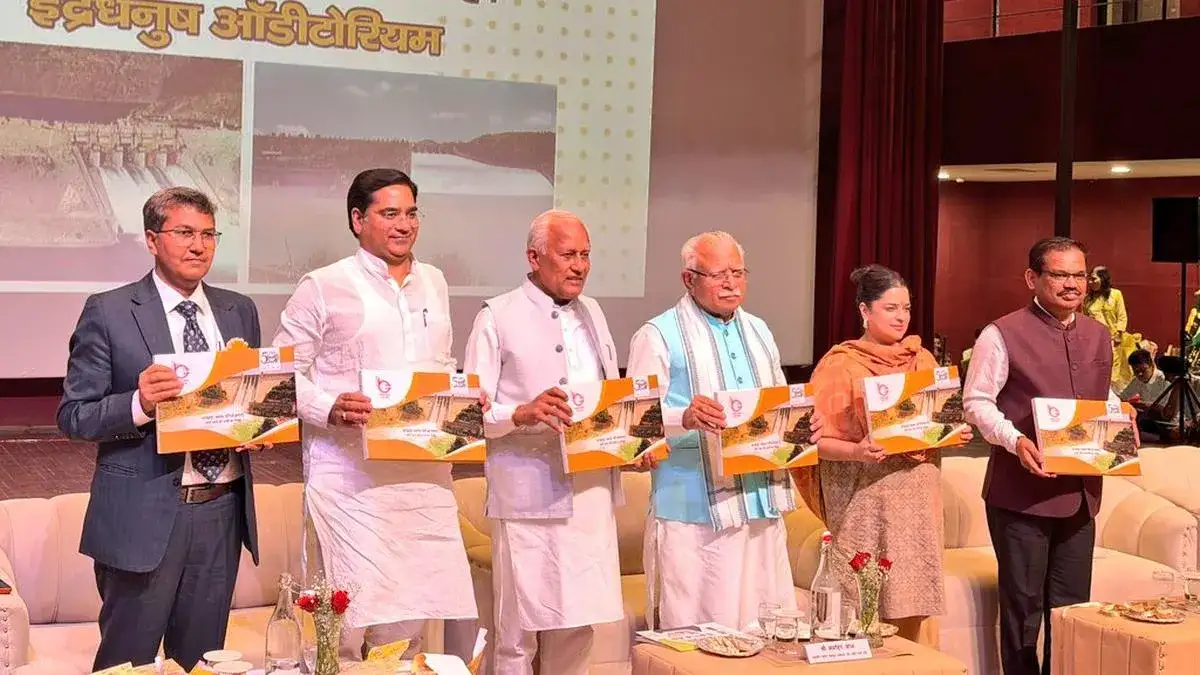
Jaipur, Rajasthan - Rajasthan's Water Resources Minister, Suresh Singh Rawat, has formally petitioned for the state's permanent inclusion in the Bhakra Beas Management Board (BBMB). The appeal, made during the BBMB's Golden Jubilee event on May 15, 2026, centers on Rajasthan's substantial stake in the Ravi-Beas river water, arguing for an equitable representation that reflects its 52.69 percent share. This move signals a determined effort by Rajasthan to secure its water future and amplify its voice in critical regional water management decisions.

Rajasthan's push for permanent membership in the BBMB, articulated by Water Resources Minister Suresh Singh Rawat, hinges on the state's significant 52.69 percent share of Ravi-Beas waters and its position at the tail-end of the river system, necessitating transparency and fairness in water distribution.
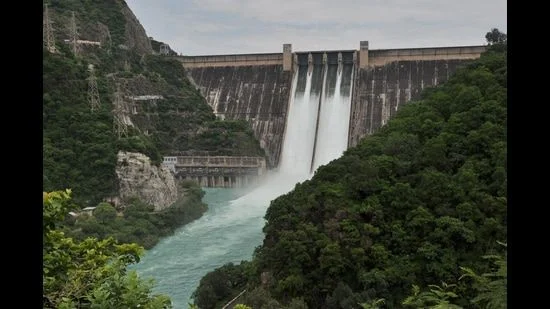
The minister's address in Panchkula highlighted the historical significance of BBMB, established on May 15, 1976, as a linchpin for water and power management among Punjab, Haryana, and Rajasthan. Rawat stressed that the Ravi-Beas-Sutlej river system is the lifeline for 13 districts in western Rajasthan, crucial for its agricultural productivity and economic growth. He argued that the absence of a state official as a member of the board, despite this large water share, is fundamentally inequitable.
Read More: Rajasthan New Industrial Policy 2026 focuses on state talent economy
Amplifying Water Security Concerns
Rajasthan's demand for permanent membership underscores its growing anxieties about water security. The state views its inclusion as a strategic necessity for optimizing water utilization, particularly for its agriculture-dependent economy. The minister's call for timely and informed decisions on water storage points to a commitment to better manage resources for development. This advocacy is expected to spark considerable debate concerning the future of water management strategies across North India.
Background: Restructuring and Opposition
This assertion by Rajasthan emerges within a broader context of proposed changes to the BBMB's structure. Earlier, the Union government had indicated a plan to amend the Punjab Reorganisation Act, 1966, to increase the number of full-time members on the board from two to four, potentially including representatives from Rajasthan and Himachal Pradesh. This proposal, seen as an effort to include more partner states, has already stirred controversy.
Read More: Rajasthan High Court orders local elections by 31 July 2026
Notably, Punjab has voiced strong opposition to this potential restructuring. The state government has argued that Rajasthan does not qualify as a successor state under the Act and is not a riparian state to the Punjab rivers. Punjab has characterized the move as "legally untenable" and questioned its necessity, suggesting it would only increase administrative costs without tangible benefits, urging the maintenance of the existing arrangement of two full-time members from Punjab and Haryana.
The BBMB itself oversees critical responsibilities, including the regulation of water supply and power generation from the Bhakra-Nangal and Beas projects to Punjab, Haryana, Rajasthan, Himachal Pradesh, Delhi, and Chandigarh. The board has been a focal point for water-sharing disputes, with recent disagreements between Punjab and Haryana over water allocation pending before the High Court. The current proposal to expand membership from two to four full-time positions, as outlined in a letter from the BBMB desk of the Power Ministry in October 2025, aims to accommodate representations from Rajasthan and Himachal Pradesh, both partner states seeking a greater role in the board's management.
Read More: Rajasthan Assembly gets new emblem for 75th anniversary