


Political tensions rose as the UK government, led by Prime Minister Keir Starmer, publicly criticized the Reform UK and Green parties regarding their stances on Russia and the North Atlantic Treaty Organization (NATO). These accusations were made during an international security summit in Munich, sparking debate about national security and foreign policy approaches. The timing and nature of these remarks have drawn scrutiny, with some interpreting them as a strategic move to differentiate the governing party from its political rivals.
Context of the Accusations
Prime Minister Keir Starmer addressed global leaders at the annual Munich Security Conference, a prominent gathering for discussions on international security. During his address, he alluded to "peddlers of easy answers" from "the extremes of left and right," a statement widely understood to be directed at the Reform UK and Green parties. Foreign Secretary Yvette Cooper further elaborated on this, stating that these parties are perceived as being "soft on Russia and weak on NATO." The government's position is that voting for these parties carries a risk of war due to their perceived stance on national security and international alliances.
Read More: India-Pakistan Cricket Match Causes Debate in India

Key Event: Prime Minister Keir Starmer's speech at the Munich Security Conference.
Core Accusation: Reform UK and the Green Party are characterized as "soft on Russia" and "weak on NATO."
Stated Consequence: Voting for these parties could "risk war."
Broader Theme: The government emphasizes the importance of investing in Britain's defenses and maintaining strong international partnerships.
This political maneuver occurred shortly after the UK and its allies announced that Russian opposition leader Alexei Navalny died, allegedly due to a dart frog toxin. While the two events are distinct, the heightened awareness of Russian actions may have informed the government's rhetoric at the security summit.

Evidence and Statements
The primary evidence for these accusations stems from public statements made by Prime Minister Keir Starmer and Foreign Secretary Yvette Cooper.

Prime Minister Keir Starmer:
Spoke at the Munich Security Conference, referring to "peddlers of easy answers" on the "extremes of left and right."
Claimed that voting for Reform UK or the Green Party would risk war, stating they are "soft on Russia and weak on NATO—if not outright opposed."
Foreign Secretary Yvette Cooper:
Explained that the Prime Minister was highlighting a broader national security issue dependent on international partnerships like NATO.
Referred to the end of the "Cold War peace dividend," suggesting a need for increased defense awareness and investment.
Has previously condemned Russian incursions into NATO airspace, pledging UK jets would confront violations to protect allies.
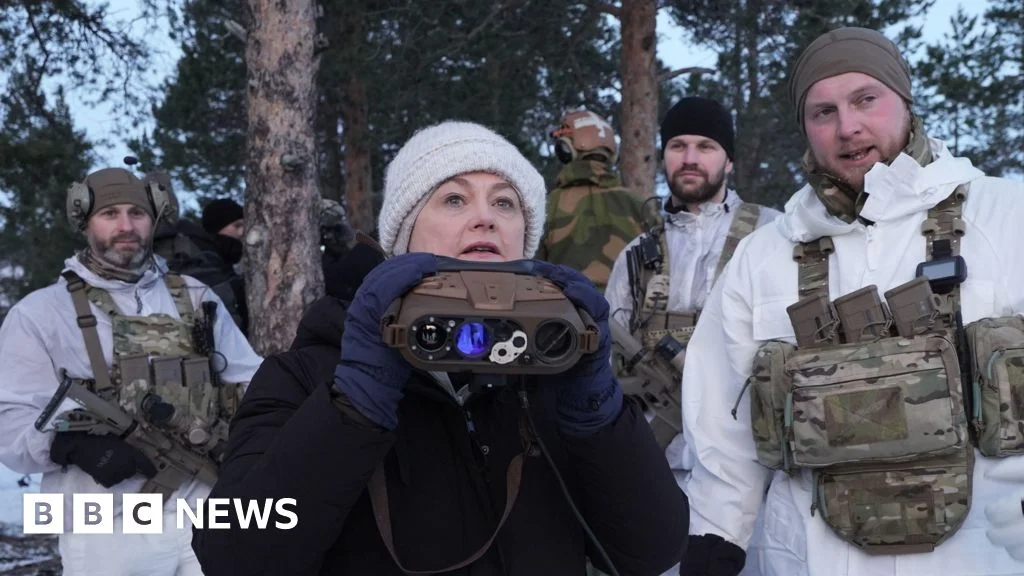
Advocated for strengthening NATO's Arctic security against Russian aggression.
Counterarguments and Rebuttals
The Reform UK and Green parties have contested these characterizations, with their representatives offering alternative interpretations of the Prime Minister's statements.
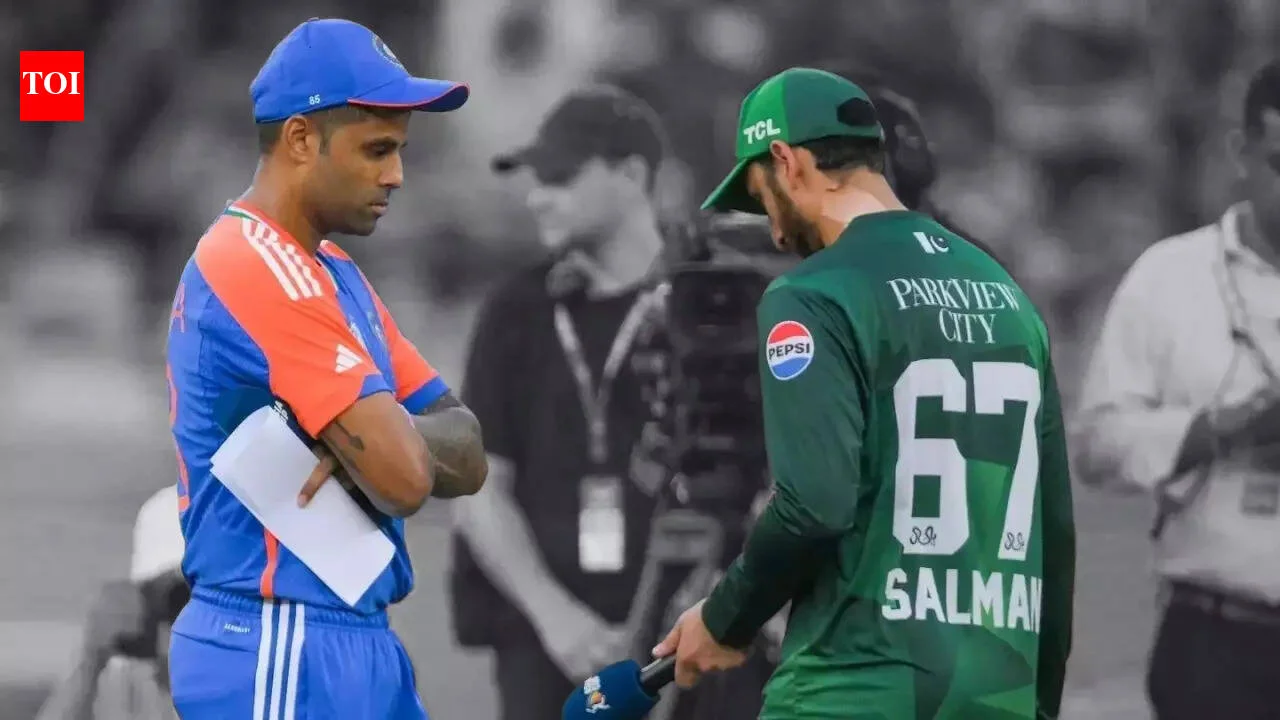
Read More: India and Pakistan Cricket Captains Do Not Shake Hands at Toss
Reform UK's Head of Policy, Zia Yusuf:
Rejected claims about his party's approach to Russia.
Unnamed Commentator (Phillips):
Interpreted Starmer's remarks as a signal of his own insecurity and perceived weakness, suggesting it conveys to allies that he is "on his way out." This viewpoint suggests the Prime Minister's focus on domestic opponents at an international summit might undermine confidence in his leadership.
Green Party and Reform UK Stance (as implied by opposition):
The specific policies or statements from these parties that lead to the "soft on Russia" and "weak on NATO" label are not fully detailed in the provided text, but their leaders have refuted the government's claims. Reform UK's Nigel Farage has been quoted, albeit in a different context, on shooting down Russian aircraft in NATO airspace, indicating a potentially varied stance within the party.
Analysis of Rhetoric
The use of terms like "soft on Russia" and "weak on NATO" represents a significant framing strategy by the UK government. This rhetoric aims to link domestic political choices directly to international security outcomes, specifically the risk of conflict.
Read More: Latino Voters Are Important for 2026 Elections
Political Positioning: By aligning Reform UK and the Green Party with perceived threats to national security, the government seeks to consolidate its own position as the responsible guardian of the nation's interests and international alliances.
International Diplomacy: The remarks made at the Munich Security Conference were delivered to a global audience, signaling to allies the UK's steadfast commitment to NATO and its concerns about the approaches of certain domestic political factions.
Perception vs. Policy: The accusations focus on the perception of weakness or softness rather than presenting detailed policy analyses from the opposing parties. This suggests a strategic use of broad strokes to create a specific impression.
"Cold War Peace Dividend": Yvette Cooper's reference to the end of the "Cold War peace dividend" indicates a broader argument that the era of reduced defense spending and perceived low international threat is over, necessitating a more robust and vigilant approach to security.
International Security Context
The accusations are set against a backdrop of heightened global security concerns, including:
Read More: UK Parties Argue About NATO and Russia at Security Meeting
Alleged Russian Actions: The death of Alexei Navalny and previous Russian incursions into NATO airspace over countries like Poland and Romania serve as points of reference for the government's security warnings.
NATO's Role: The integrity and strength of NATO are presented as paramount to European and British security. Foreign Secretary Cooper has previously stressed the need to confront unauthorized aircraft in NATO airspace and has called for increased NATO Arctic defense against Russian aggression.
Geopolitical Tensions: The broader geopolitical climate, characterized by ongoing disagreements and potential threats, underpins the government's emphasis on strong alliances and robust defense.
Conclusion
The UK government, through Prime Minister Keir Starmer and Foreign Secretary Yvette Cooper, has publicly accused the Reform UK and Green parties of adopting stances on Russia and NATO that could undermine national security and increase the risk of war. These statements, delivered at the Munich Security Conference, are a form of political communication intended to define the national security landscape and differentiate the government's approach from that of its domestic rivals. While the government presents its accusations as factual concerns about strategic weaknesses, representatives from Reform UK and the Green Party have refuted these claims, with some commentators suggesting the Prime Minister's remarks might be misconstrued as a sign of his own political vulnerability. The discourse highlights the ongoing tension between domestic political debate and the articulation of foreign policy and national security priorities on the international stage.
Primary Sources
BBC News: "Yvette Cooper warns 'Cold War peace dividend has gone' as UK accuses Russia of killing Alexei Navalny"
Context: Live reporting that includes statements from Yvette Cooper in the context of geopolitical events.
Huffington Post: "Keir Starmer Slammed For 'Bizarre' Rant To European Allies About Reform And Greens"
Context: Reports on criticism directed at Keir Starmer for his remarks at the Munich Security Conference, including Yvette Cooper's defense and Reform UK's response.
Daily Mail: "Voting Reform or Green risks war as Starmer says rivals soft on Russia"
Context: Details Prime Minister Keir Starmer's accusations at the Munich Security Conference regarding Reform UK and the Green Party's stances on Russia and NATO.
SAIndia Magazine: "Sir Keir Starmer to accuse Reform UK and Greens of being 'soft on Russia' and 'weak on NATO' | UK News - SAIndia Magazine"
Context: Reports on Sir Keir Starmer's planned accusations at a security summit, emphasizing the "soft on Russia" and "weak on NATO" framing.
Parliament Politics Magazine: "Yvette Cooper says Russia risks direct clash with NATO"
Link: https://parliamentnews.co.uk/yvette-cooper-says-russia-risks-direct-clash-with-nato
Context: Covers Yvette Cooper's earlier statements on Russian incursions into NATO airspace and the UK's commitment to confronting such violations.
BBC News: "Nato Arctic defence needed against Russia, Yvette Cooper says"
Context: Features Yvette Cooper advocating for increased NATO security in the Arctic region to counter Russian influence.
Read More: Sports Commentator Sarah Spain Says She Felt Sick Seeing Politician JD Vance at Olympics



)