Recent discussions highlight differing perceptions and critiques of pro-Palestine activism within the United States. While some activists are re-evaluating their stances, others face criticism for their methods, and there are observations about shifts in public opinion. Simultaneously, cultural touchstones like the affection for dogs are invoked in stark comparisons.
The landscape of pro-Palestine advocacy in America appears complex, with varying degrees of support and significant critiques emerging. These critiques span from concerns about the information activists have access to, to criticisms of their public demonstrations and the political consequences of their stances. The intensity of these debates is further amplified by deeply held cultural values and evolving public sentiment.

Activist Re-evaluation and Information Access
One former pro-Palestine activist, Taryn Thomas, an alumna of Stanford University, has reportedly changed her views regarding the October 7th events. Her statement suggests a lack of prior awareness regarding specific details, noting that much of the footage and information was not prominent in her online feeds.
Read More: Turning Point USA Faces New Scrutiny After Charlie Kirk's Death
Thomas's shift implies that the narrative and information disseminated on social media platforms may not provide a complete picture of events.
Her experience is cited in connection with an interview published by The Free Press.
Critiques of Activist Behavior and Messaging
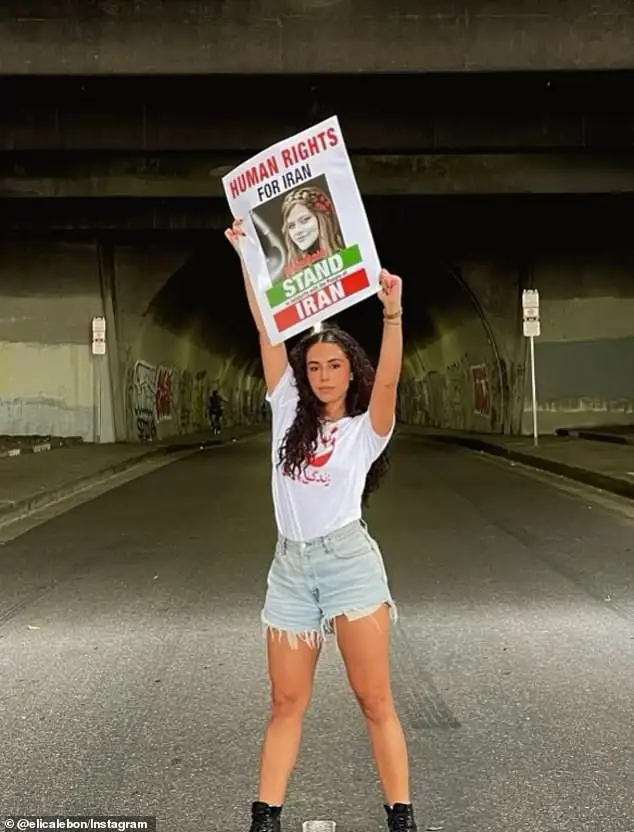
Criticism has also been leveled at the outward expression of pro-Palestine activism, particularly concerning its presentation on platforms like TikTok. Elica Le Bon, a British-born, American-educated lawyer and activist, has publicly denounced what she terms "twerking on TikTok" by pro-Palestine protesters.

"When we see this TikTok generation of people that are coming out and twerking on TikTok about how the axis of resistance is going to free watermelonia, now we have reached the point where you've completely lost it." - Elica Le Bon
Le Bon's remarks, made on Chris Cuomo's NewsNation show, express concern that such actions are supportive of "terrorist regimes" that the Iranian people have long sought to distance themselves from. This perspective frames certain activist behaviors as not only inappropriate but also misaligned with broader struggles for freedom.
Political Stances and Electoral Consequences
The pro-Palestine movement has also intersected with electoral politics in the US. Reports indicate that some activists, unhappy with the Gaza situation, opted to vote for third-party candidates in the recent election.

These voters have expressed no regrets about their choice, despite acknowledging that a Donald Trump administration might be less favorable to Palestinians in Gaza and the West Bank than the alternative.
This indicates a prioritization of their stance on the Israel-Palestine conflict over the perceived outcomes of the major party candidates.
Cultural Comparisons and Public Sentiment
In some public discourse, comparisons have been drawn between pro-Palestine activism and deeply ingrained American cultural affections, notably the love for dogs. One perspective suggests that if a choice were to be made between supporting dogs and supporting Muslims, the choice would be clear.
Read More: US 250th Anniversary on July 7, 2026, sees 20% not celebrating
This viewpoint frames the love for dogs as a quintessentially American trait, akin to baseball and apple pie.
The framing is used to make a declarative statement about perceived public sentiment, implying a lack of support for certain aspects of pro-Palestine activism among a segment of the American populace.
Challenges to Free Speech on Campuses
On university campuses, pro-Palestine activists report facing limitations on their free speech. Since the events of October 7th and the subsequent Israeli response, there have been heightened tensions.
Students and faculty expressing views contrary to mainstream US policy on Israel and Palestine have allegedly experienced negative repercussions, including lost job opportunities.
Some students have described being labeled as troublemakers or criminals for speaking out on the issue, with similar accounts emerging from multiple universities across the country.
Expert Analysis
Dr. Nader Hashemi, Director of the Middle East Institute at the Korbel School of International Studies, notes that "Public opinion in the US is not monolithic and has been evolving on the Israeli-Palestinian conflict." He adds, "The events of October 7th and Israel's response in Gaza have certainly intensified the debate and exposed different fault lines within American society and its foreign policy establishment."
The framing of activism and the nature of information consumption are recurring themes. As one observer commented, "What's visible and what's amplified online shapes perception. When activists feel unheard or misrepresented, the resulting actions can be met with strong, often negative, reactions from those who see things differently."
Read More: Sonam Wangchuk Continues Activism for Clear Dialogue in Ladakh
Conclusion
The contemporary pro-Palestine activism in America is characterized by internal re-evaluations, external criticisms of expression and methodology, and its entanglement with political processes. Reports suggest a spectrum of experiences, from individual shifts in perspective based on new information to accusations of misrepresentation and support for problematic regimes. The intersection of activism with deeply held cultural values and the ongoing debate surrounding free speech on university campuses further complicates the narrative. The impact of these various dynamics on American public opinion and the future trajectory of the pro-Palestine movement remains an area of active observation.
Sources Used:
Article 1: 'I Truly Did Not Know:' Former Pro-Palestine Activist Changes Her Mind About October 7
Published: November 26, 2025
Platform: Townhall
Link: https://townhall.com/tipsheet/amy-curtis/2025/11/26/former-pro-palestine-activist-changes-mind-about-october-7-n2667045
Article 2: Hot Takes: It's No Contest, Between a Pro-Palestine Activist and Americans' Love for Their Dogs
Published: February 16, 2026
Platform: RedState
Link: https://redstate.com/jenniferoo/2026/02/16/hot-takes-its-no-contest-between-a-pro-palestine-twatwaffle-and-dogs-americans-choose-the-dogs-n2199232
Article 3: Iranian activist slams pro-Palestine protesters for twerking on TikTok
Published: April 16, 2024
Platform: Daily Mail
Link: https://www.dailymail.co.uk/news/article-13314575/Iranian-American-attorney-activist-slams-pro-Palestine-protesters-twerking-TikTok-supporting-Hamas-Houthis-Hezbollah-completely-lost-supporting-terrorist-regime.html
Article 4: Upset about Gaza, they voted third-party. They have no regrets
Published: November 13, 2024
Platform: Phoenix New Times
Link: https://www.phoenixnewtimes.com/news/arizona-pro-palestine-dont-regret-not-voting-for-harris-20558321
Article 6: At US universities, free speech isn't free for pro-Palestine activists
Published: November 1, 2023
Platform: Middle East Eye
Link: https://www.middleeasteye.net/big-story/israel-palestine-war-us-universities-free-speech