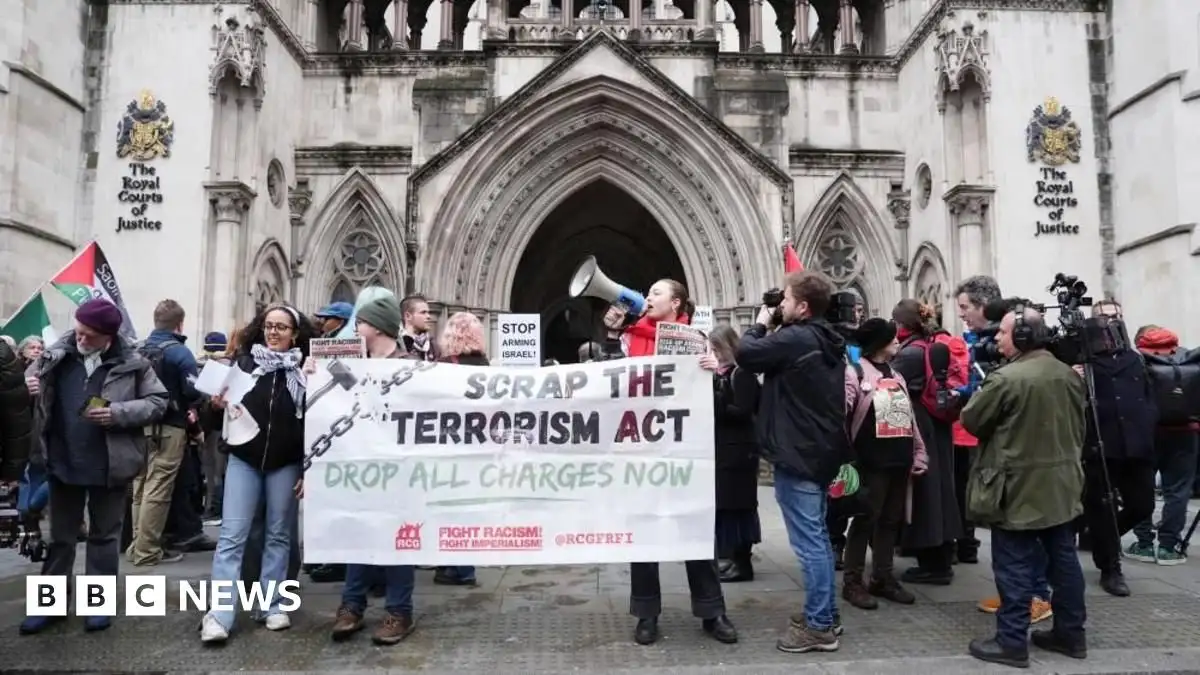
A recent High Court decision in the United Kingdom has declared the government's ban on the activist group Palestine Action unlawful. The ruling, which stated the ban was a disproportionate interference with fundamental rights, has been described by the group's co-founder as a "monumental victory" and an "own goal" for the government. However, the ban remains in place pending a government appeal, leaving the status of the group and its supporters in a state of uncertainty.
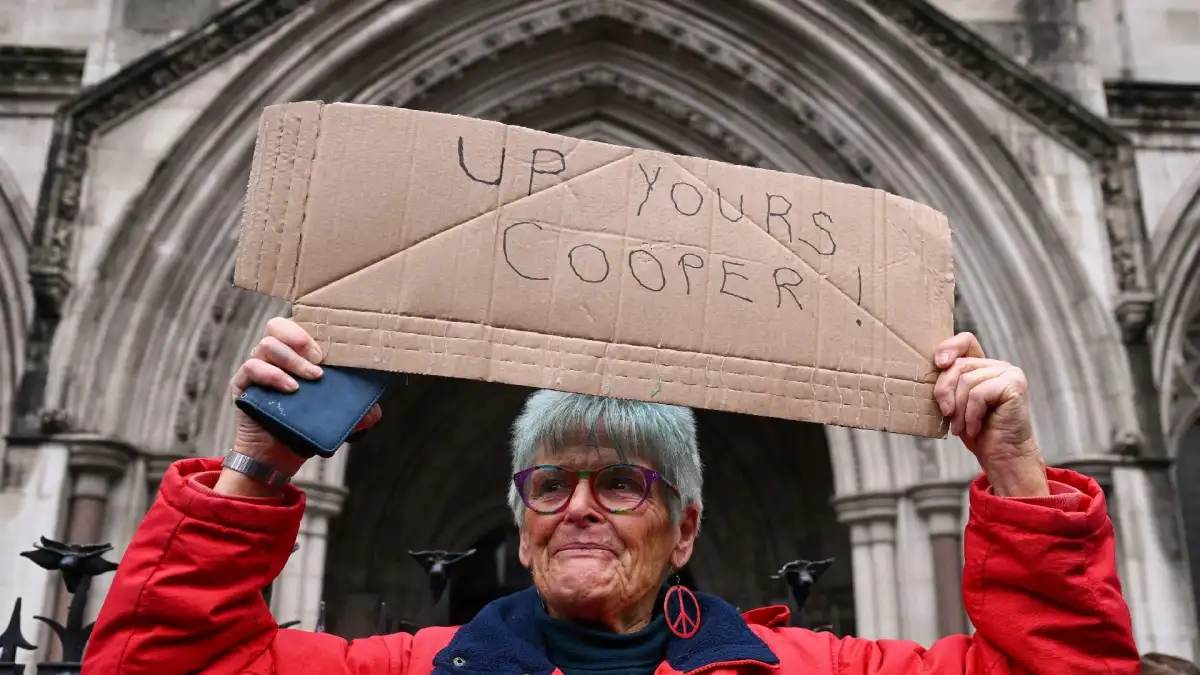
Background of the Ban and Legal Challenge
Palestine Action was designated as a terrorist organization by the UK government in the summer of 2025. This decision followed actions by activists who, protesting Israel's actions in Gaza, allegedly entered an air force base and damaged aircraft. The government argued that proscribing the group was a necessary measure for national security.

Government's Rationale: The Home Secretary maintained that the ban was a necessary national security measure to disrupt what was described as "criminal activity."
Activists' Actions: The group's protests, which Palestine Action stated were in response to the "genocide in Gaza," included actions like breaking into an air force base and using paint and crowbars on aircraft alleged to be used in the war.
Legal Challenge: Palestine Action's co-founder, Huda Ammori, brought a legal challenge against the ban, arguing it was an overreach of government power and a threat to civil liberties.
High Court's Ruling on Proportionality and Rights
The High Court's judgment on February 13, 2026, found the government's decision to ban Palestine Action to be unlawful. The judges emphasized the principle of proportionality in government action and the protection of the right to protest and free speech.
Read More: England World Cup Match: Pubs Open Until 5 AM Monday

Proportionality Test: The court found that the Home Secretary had not correctly applied the proportionality test, a key aspect of modern administrative law that prevents ministers from acting arbitrarily.
Interference with Rights: Judges Victoria Sharp, Jonathan Swift, and Karen Steyn ruled that the ban constituted a "very serious interference with the rights to protest and free speech." They also noted that the "nature and scale of Palestine Action’s activities" did not meet the required threshold for proscription.
Unlawful Designation: The court concluded that the government had acted illegally in outlawing the group.
Repercussions and Ongoing Status
Despite the High Court's ruling, Palestine Action remains proscribed as the government prepares to appeal the decision. This leaves a significant number of individuals in a state of legal ambiguity.

Ban Remains in Force: The ban will continue to be in effect while the government lodges its appeal.
Fate of Supporters: The ruling leaves the status of over 2,500 people in limbo. The definition of terrorism used in the UK includes engaging in "serious property damage" designed to influence the government or intimidate the public.
Impact on Arrests: The Metropolitan Police stated that in light of the judgment, officers would no longer arrest individuals for expressing support for Palestine Action. However, they would continue to gather evidence for potential future enforcement.
Ongoing Criminal Cases: Barrister Audrey Cherryl Mogan indicated that the High Court's decision would not affect ongoing criminal cases against activists linked to Palestine Action, including those involved in raids on an Elbit Systems plant and an incident at RAF Brize Norton.
Reactions and Perspectives
The High Court's decision has drawn strong reactions from civil liberties groups and the leadership of Palestine Action.
Palestine Action's View: Co-founder Huda Ammori stated that the ban "massively backfired" and called the ruling a "monumental victory for our fundamental freedoms" and an "own goal for a Labour government bent on destroying the organisation."
Civil Liberties Advocates: Groups like Human Rights Watch have lauded the decision. Yasmine Ahmed, U.K. director of Human Rights Watch, described the ruling as "a shot in the arm for British democracy" and asserted that the government had used anti-terror legislation to suppress legitimate criticism of Israel.
Government Response: The Home Secretary, Shabana Mahmood, indicated an intention to appeal the judgment, stating, "I intend to fight this judgment." The government's lawyers argued that proscription was a necessary national security measure and expressed surprise at the outcome.
Expert Analysis
Legal experts have highlighted the significance of the High Court's emphasis on proportionality in its ruling.
Proportionality in Governance: Observers note that the ruling underscores the importance of proportionality, preventing ministers from exercising unchecked power akin to "King Henry VIII." The court's scrutiny focused on whether the Home Secretary had adequately weighed the cons, particularly the risk to the right to protest, against the perceived benefits of a ban.
Application of Counterterrorism Laws: The case brings into focus the broader debate surrounding the application of counterterrorism laws against domestic protest movements and the boundaries of executive authority.
Conclusion and Future Steps
The High Court's declaration that the ban on Palestine Action was unlawful represents a significant legal setback for the government and a victory for civil liberties campaigners. However, the legal battle is not over.
Read More: Turning Point USA Faces New Scrutiny After Charlie Kirk's Death
Government Appeal: The UK government has signaled its intention to appeal the High Court's decision, meaning the ban will remain in effect temporarily.
Impact on Activism: While the immediate threat of arrest for expressing support for Palestine Action may have lessened, the ultimate status of the group and the application of counterterrorism laws to protest movements remain subjects of ongoing legal and public debate.
Broader Implications: The case highlights the tension between national security measures and fundamental rights, particularly the right to protest and free speech, in the context of political activism.
Sources Used:
The Guardian: https://www.theguardian.com/uk-news/2026/feb/14/palestine-action-ban-backfired-says-co-founder-huda-ammori - Article provides quotes from the group's co-founder and details the court's findings on proportionality and rights.
BBC News: https://www.bbc.com/news/live/c8x90q9nyzyt - Article explains the government's loss in court, focusing on the failure to conduct a correct proportionality test and the surprise at the outcome.
CNN: https://edition.cnn.com/2026/02/13/uk/uk-palestine-action-ban-gbr-uk-intl - Article frames the ruling as a victory for civil liberties and brings attention to the application of counterterrorism laws to protest movements.
Middle East Eye: https://www.middleeasteye.net/news/palestine-action-judicial-review-high-court-judgment - Article discusses the unlawful nature of the ban, the presence of supporters outside court, and the potential impact on other cases.
AP News: https://apnews.com/article/britain-palestine-action-high-court-2fbb7f5e2e090881193b9328323d2ec4 - Article reports the High Court's finding of illegality but the continuation of the ban pending appeal, and includes reactions from supporters.
CBC Radio: https://www.cbc.ca/radio/asithappens/palestine-action-ruling-9.7089382 - Article details the unlawful ruling, the definition of terrorism used, the number of arrests, and quotes from Palestine Action's co-founder and Human Rights Watch.