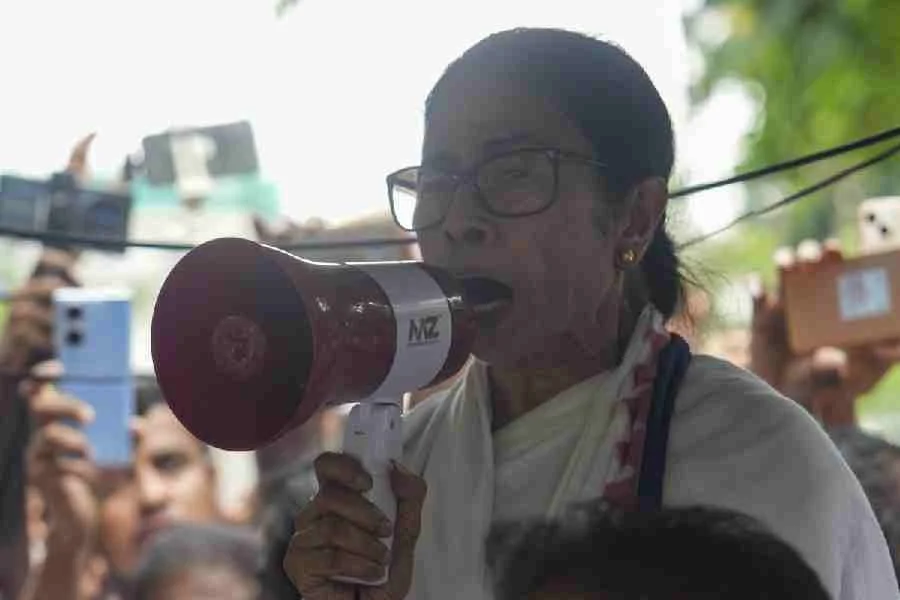
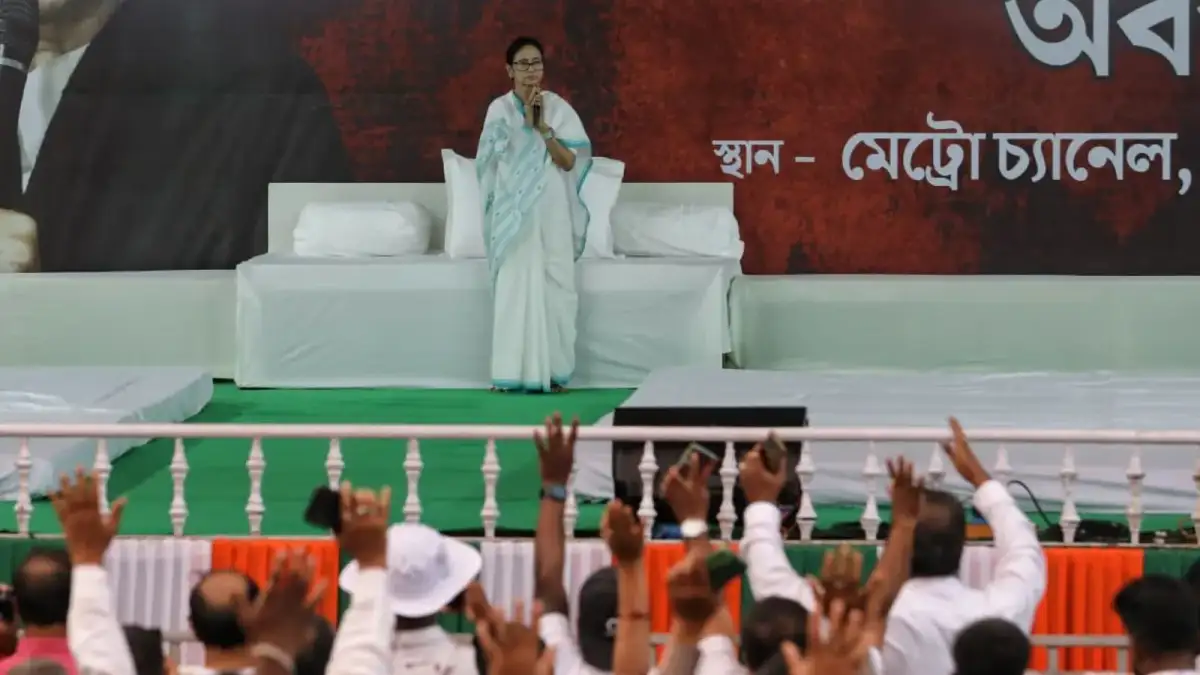
KOLKATA – Chief Minister Mamata Banerjee commenced an indefinite sit-in protest Friday at Kolkata’s Esplanade, voicing strong opposition to the large-scale deletions and modifications occurring within West Bengal’s electoral rolls following the Special Intensive Revision (SIR) exercise. The move marks a significant escalation of the ruling Trinamool Congress's (TMC) confrontation with the Election Commission (EC) and the central government, occurring weeks before the state’s assembly elections. Banerjee alleges a deliberate attempt to disenfranchise voters, particularly targeting minority communities, migrant workers, and economically disadvantaged populations.
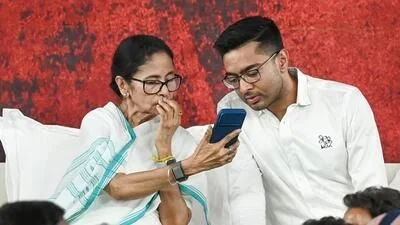
The Chief Minister was joined by prominent TMC leaders, including Abhishek Banerjee, Kolkata Mayor Firhad Hakim, and Rajya Sabha MP Menaka Guruswamy. The protest site, the Esplanade area, carries significant symbolic weight, having been a frequent venue for Banerjee's earlier street demonstrations that helped forge her political identity. The TMC claims that the SIR process has disproportionately affected certain demographics and regions.
Read More: Taiwan Holds Nantou County Drills to Prepare for State Collapse
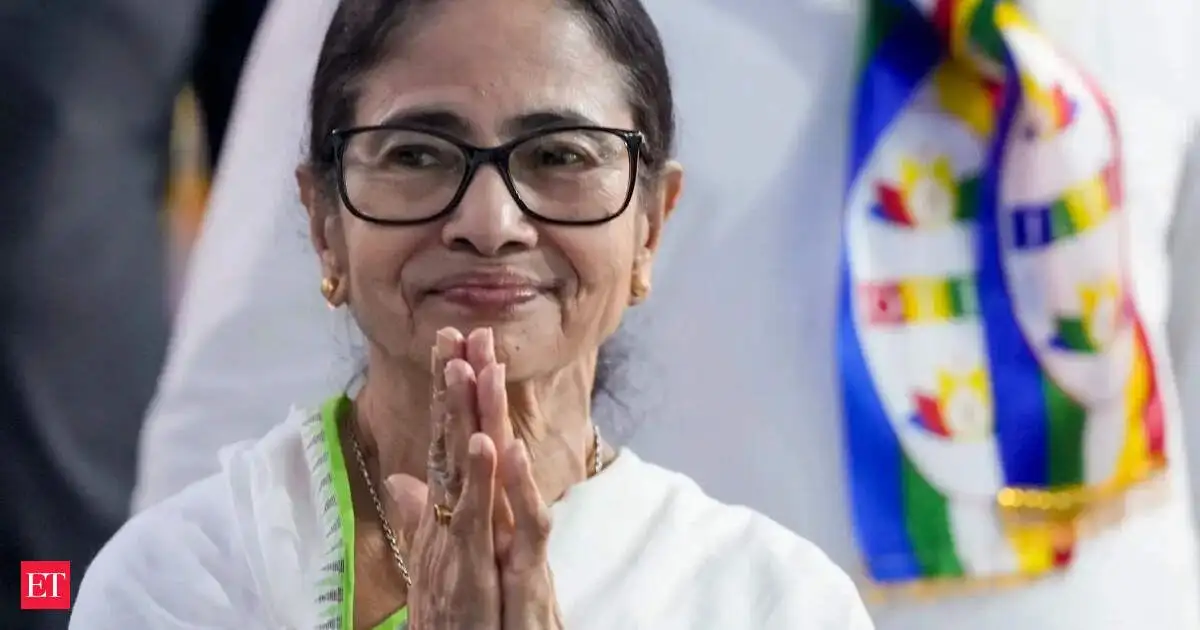
Disputed Figures and Regional Impact
The final voter list, published on February 28, lists 7.04 crore voters. However, this figure is juxtaposed against concerns over approximately 64 lakh voters reportedly deleted and another 60 lakh voters placed "under adjudication" as part of the SIR. These numbers represent a significant portion of the electorate, prompting accusations of a potential "conspiracy" orchestrated by the BJP and the EC.

Specific districts are highlighted as particularly affected:
Murshidabad district reportedly has over 11 lakh voters under adjudication.
Malda district sees over 8 lakh voters in this category.
North 24 Parganas has nearly 6 lakh voters under adjudication.
South 24 Parganas has 5.22 lakh voters under adjudication.
These districts, including those with substantial Matua and Muslim populations, have become focal points of the controversy. Reports indicate that Matua-dominated areas in North Bengal have also experienced a high number of deletions.
Counter-Arguments and Political Framing
The West Bengal BJP unit has criticized Banerjee's protest, framing it as a maneuver to disrupt the electoral roll revision process. Swapan Dasgupta, a former Rajya Sabha MP and BJP leader, suggested the dharna is an effort to create "chaos" and accused the Chief Minister of using the constitution as a "convenient instrument." The BJP contends that the protest is an attempt to obstruct the ongoing administrative process.
Read More: Mamata Banerjee Protests Post-Poll Violence in Kolkata Today
TMC leaders have retorted by alleging that the Election Commission is being influenced by the BJP, with some calling it a deliberate act to undermine democratic fairness. The controversy has become a central theme in the political discourse ahead of the April assembly polls.
Historical Context of Protest
Banerjee's decision to return to street politics is seen as a deliberate evocation of her past political style, which was instrumental in her rise to power. Her earlier agitations against the erstwhile Left Front government frequently utilized public spaces like the pavements of central Kolkata, solidifying her image as a tenacious street fighter. The current protest at the Esplanade is perceived as a strategic re-adoption of this familiar and potent political tactic.