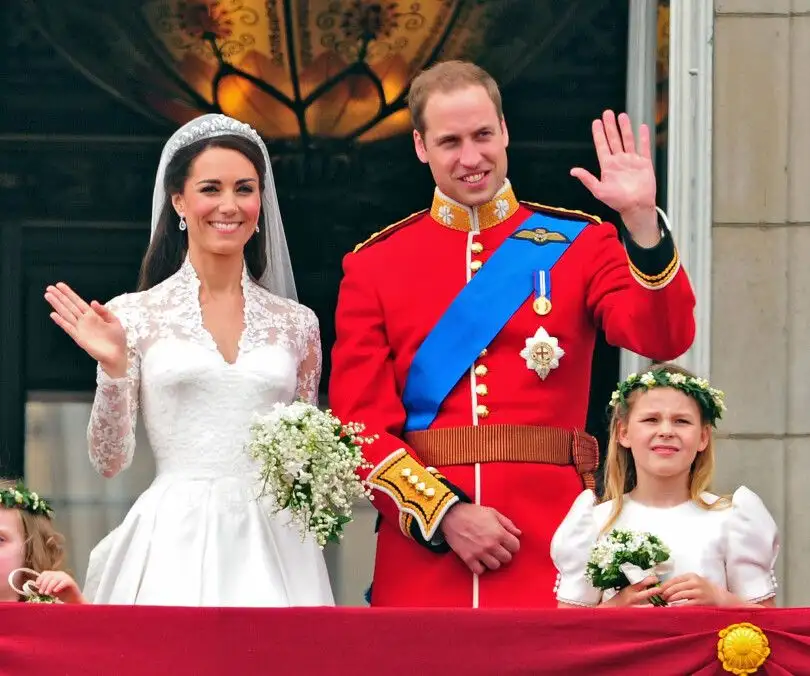
Prince William and Kate are reportedly shelling out £300,000 annually for their "forever home" in Windsor, a financial commitment unveiled in recent documents. This significant expenditure comes as the royal family navigates a period of public scrutiny and familial challenges. The estate, a substantial dwelling for the Prince and Princess of Wales, underscores a considerable personal outlay for the couple, separate from their official duties and public funding.
The revelation of the substantial rent payment offers a glimpse into the financial realities underpinning royal life, even as the institution itself faces questions about its relevance and cost. The details emerge against a backdrop of broader concerns impacting the monarchy, including the health of King Charles III and the ongoing fallout from various scandals, such as the Epstein affair, which has touched upon figures within the extended royal family.
Read More: Princess Kate Returns to Public Events After Cancer Treatment
A Shifting Public Image
Recent years have seen Prince William actively managing his public persona. Long described by some as having a difficult temperament, he appears to be undertaking a modernization of his image. This effort aims to project an image of accessibility and stability, particularly pertinent as he is seen as a figurehead for the future of the monarchy.
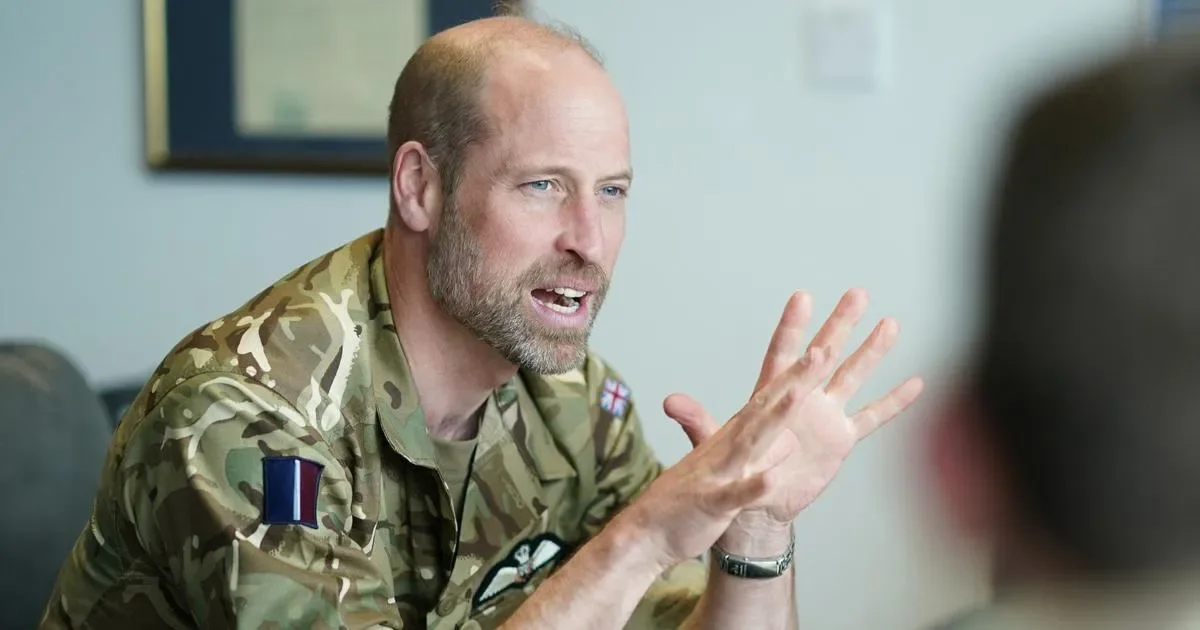
Familial and Personal Strains
The Prince of Wales has himself alluded to recent times being exceptionally challenging. He spoke of the intense pressures of balancing family life, ensuring his children's well-being, and supporting his wife, Kate, during her health struggles, alongside the King's own health concerns. His comments highlight a period of significant personal strain, compounded by his familial background, including the lasting impact of his parents' divorce.
Royal Finances and Commitments
The £300,000 annual rent for the Windsor residence is a considerable sum, prompting consideration of the financial arrangements within the upper echelons of the monarchy. While details of the broader royal finances remain complex and often opaque, this specific expenditure provides a tangible figure for a significant personal commitment. This contrasts with official roles and public funds allocated for royal duties.
Read More: Pressure Washer Mistakes Cost UK Owners More Money
Background:
Prince William, the eldest son of King Charles III and the late Diana, Princess of Wales, has occupied various titles, including Prince of Wales. His public life has been subject to constant observation, from his personal relationships and family life to his evolving role within the British monarchy. The recent period has been marked by significant personal and institutional challenges, including the health issues of both his wife, Catherine, Princess of Wales, and his father, the King.