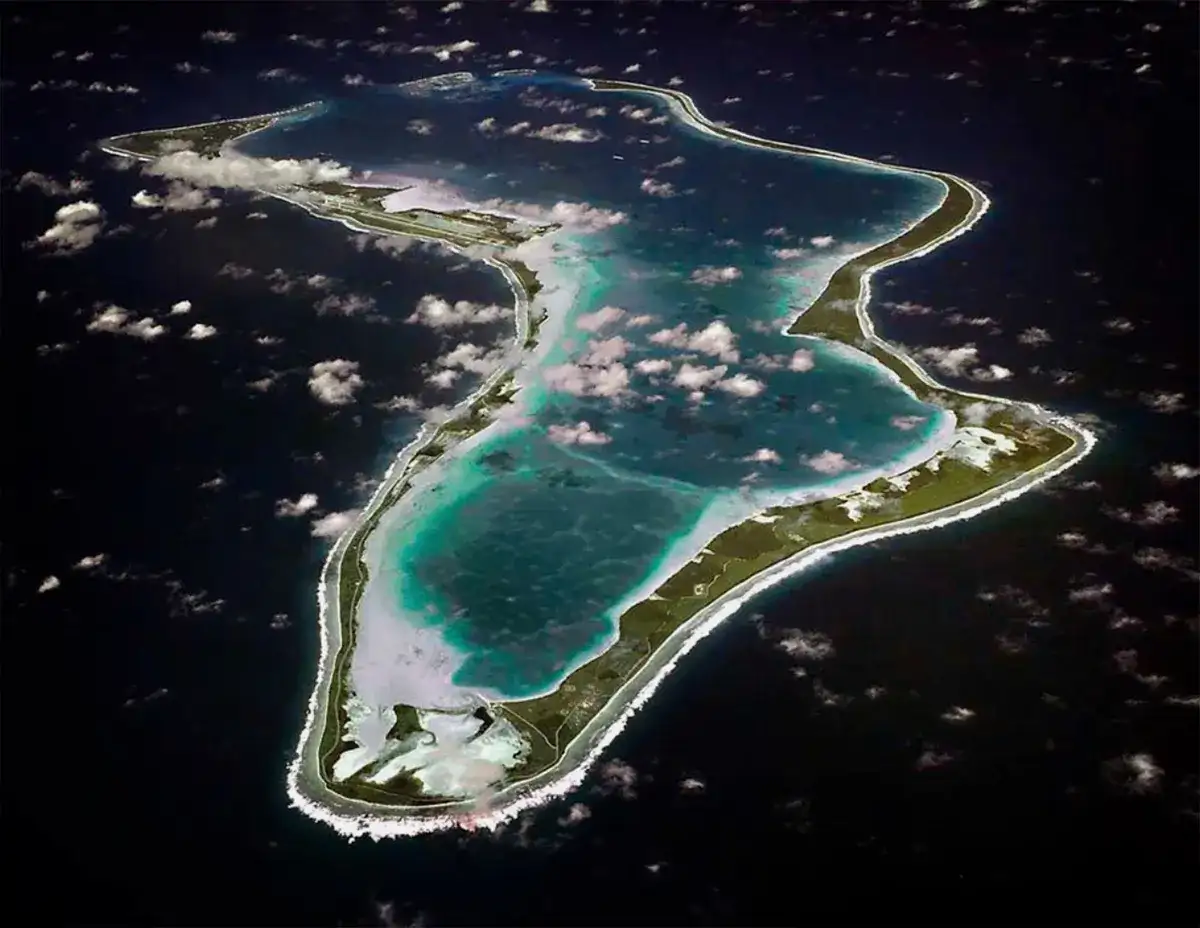
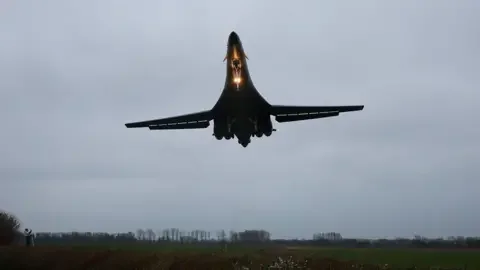
Iran's recent ballistic missile activity, specifically targeting the U.S.-U.K. base on Diego Garcia, indicates a significant extension of its known missile capabilities. The facility, situated nearly 2,500 miles from Iran, was reportedly struck with a missile capable of covering approximately 4,000 kilometers. This distance surpasses the previously acknowledged range limits of Iranian missile systems, which had been officially capped at 2,000 kilometers, with some estimates placing their reach between 1,000-2,000 km or up to 2,500 km.

Strategic Implications of Extended Reach
The successful demonstration of a 4,000 km range missile has shifted Iran's perceived threat profile from a regional actor to a potential inter-regional one. This increased reach theoretically places major European capitals such as Berlin, Paris, and Rome within striking distance. While the missiles did not damage the Diego Garcia base, this event challenges previous assumptions about Iran's missile development, particularly concerning its medium-range ballistic missile programs.
Read More: UK confirms Iran missile attack missed Diego Garcia base on March 21
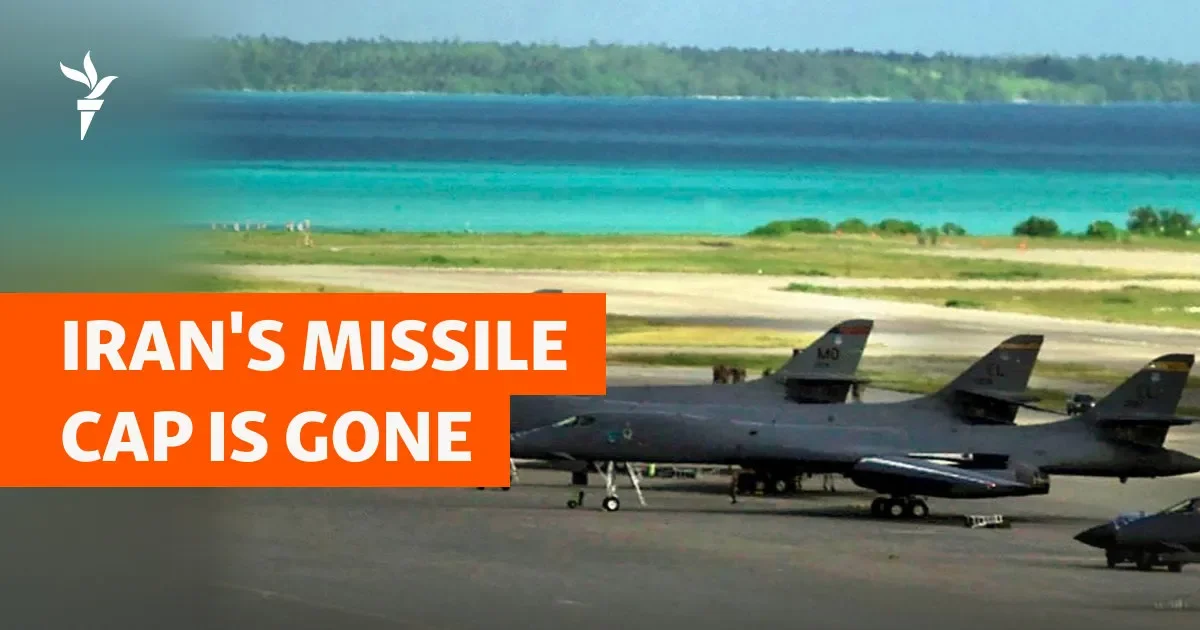
Analysis of Capability
There is discussion among observers that achieving such distances might have involved modifications to existing missiles, such as stripping away warhead weight or reducing payload. This would raise questions about the accuracy of such a modified missile over vast expanses of open ocean. The Khorramshahr-4 missile, identified as a capable long-range system, has been cited as a potential candidate for such modifications.

Shifting Declarations and Historical Context
Previously, Iran had stated its missile range was limited to 2,000 kilometers, a figure interpreted as a signal to Europe that it was not a direct target. This recent launch occurs in the wake of the assassination of Ayatollah Ali Khamenei, following a U.S.-Israeli conflict with Iran.
The range of Iranian missiles, as per past classifications:
| Missile Type | Estimated Range (km) |
|---|---|
| Short-range | Immediate battlefield |
| Medium-range | 1,000–2,000 |
| Previously Known | ~2,000 |
| Demonstrated | ~4,000 |
Background
Diego Garcia serves as a strategic military installation, capable of hosting advanced aircraft like the B-2 stealth bomber. The reported strike attempt on March 21, 2026, was attributed to ballistic missiles fired by Iran. The U.S.-U.K. base is located in the Indian Ocean. Various reports from news outlets like The Spokesman, Army Recognition, The Times of India, RFE/RL, and Hindustan Times detailed the event and its implications on missile ranges. Other sources, such as Vivid Maps, have provided comparative data on missile ranges from different countries.
Read More: Japan May Sweep Mines in Strait of Hormuz If Conflict Ends