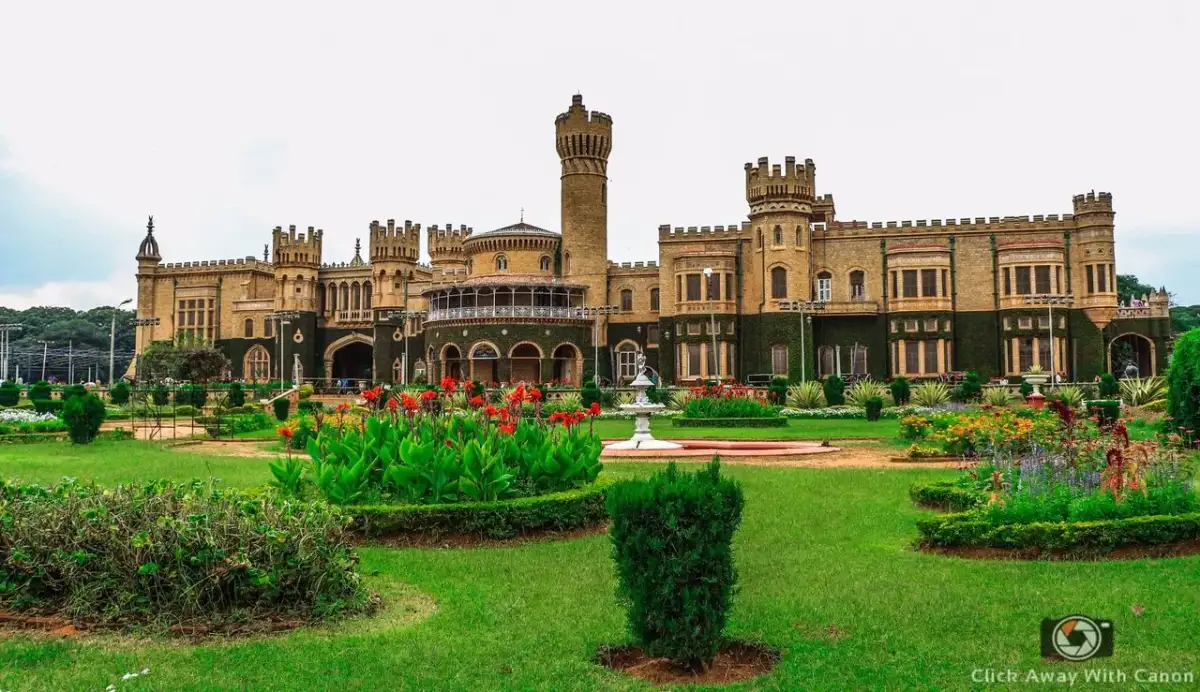
America's vast estates, once glittering symbols of affluence, now stand as monuments to decay. Over a decade, photographer Bryan Sansivero has chronicled these once-grand houses across the nation, finding them utterly abandoned, their opulent interiors succumbing to time and neglect. These aren't just empty houses; they are time capsules of a forgotten prosperity, now left to slowly crumble.
The core of this phenomenon is the sheer scale of abandonment. Sansivero's work reveals a pattern: mansions that cost millions are now simply left behind. He speaks of stumbling upon remnants of lives lived – "one just sitting there, and another one in a room just lying there" – suggesting a sudden departure or a profound loss of connection. The act of photographing these spaces isn't merely documentation; it's an exploration into what remains when wealth, and its owners, vanish.
Read More: North Epping house sells for $2.28 million on 6 April 2026
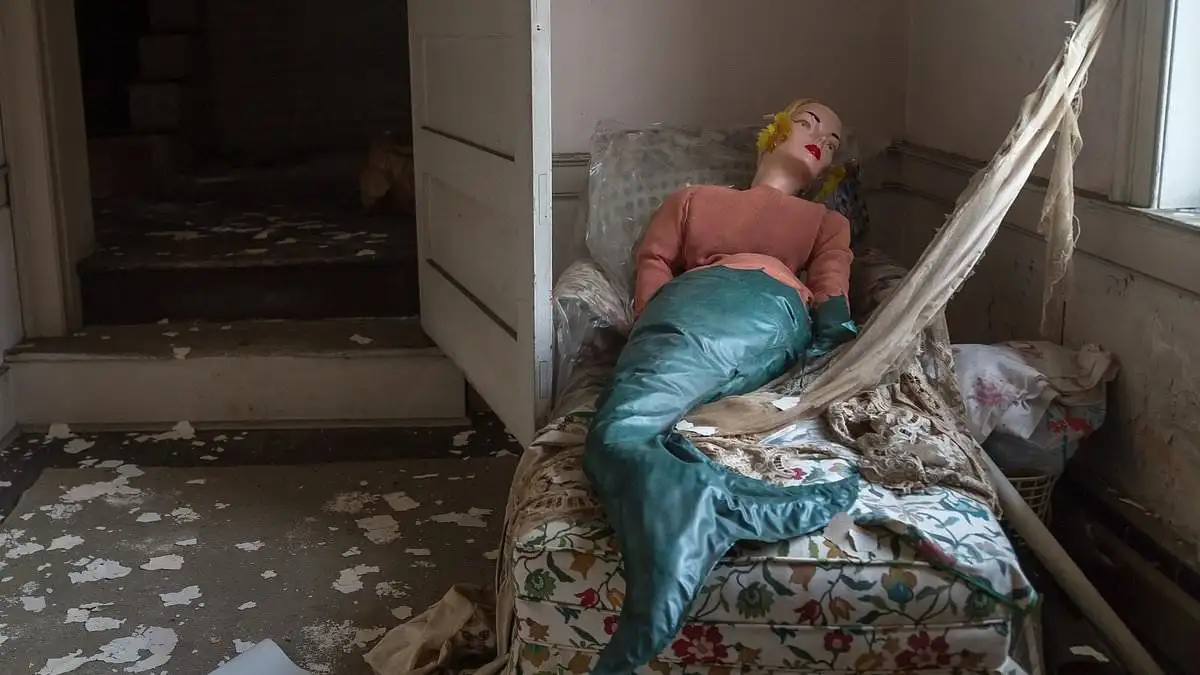
The visuals speak a language of entropy. Verdant overgrowth, a stark contrast to manicured lawns, often reclaims the exteriors. Inside, the narrative shifts from the creeping wild to the insidious dust of neglect. It's a story of 'way, way back', as Sansivero puts it, a poignant reminder that even the most substantial fortunes and the most impressive domiciles are subject to the relentless march of time.
The Photographer's Eye
Bryan Sansivero's decade-long project offers a stark, unflinching look. His photographs, appearing on platforms like AOL and reported by outlets such as the Daily Mail, don't just show dereliction. They hint at the human element – the sudden silences, the unexplained footsteps, the objects left as if their owners might return tomorrow. This exploration is more than just visual record-keeping; it’s an investigation into absence itself.
Read More: Bengaluru Photo Contest Adds 'Urban Wildlife' Category for 2026
Contextualizing Decay
The existence of these forgotten fortresses raises questions about wealth, its transience, and the structures that house it. What societal or economic shifts lead to such extreme abandonment? The sheer value represented by these properties, now decaying, suggests a disconnect between asset and owner, a severance so profound that the physical embodiment of immense wealth is simply left to the elements. The narrative is not one of financial ruin in the traditional sense, but rather a baffling dereliction of stewardship over what should be invaluable assets.