The Growing Threat of Phone-Based Deception
Phone scams, a persistent threat, continue to evolve, presenting new challenges for individuals seeking to protect their personal and financial well-being. These schemes, often initiated via phone calls or text messages, aim to unlawfully acquire money or sensitive data. The ubiquity of smartphones and the deep integration of digital life into these devices make them a prime target for fraudsters, underscoring the need for heightened awareness and vigilance.

Understanding the Landscape of Phone Scams
Phone scams, also referred to as telemarketing fraud, encompass a range of deceptive practices communicated through voice calls and text messages. The core objective of these schemes is consistent: to extract money or personal information from unsuspecting individuals.
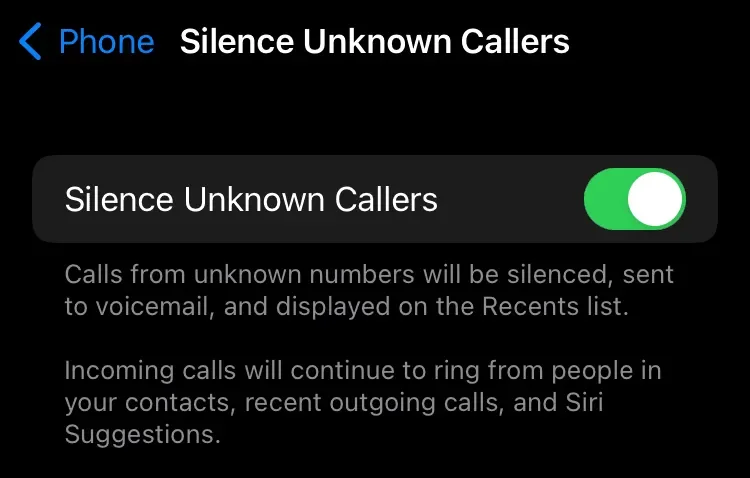
Core Motivation: Scammers seek financial gain or access to personal data that can be used for identity theft or further fraudulent activities.
Communication Channels: Primary methods include direct phone calls and text messages (SMS phishing, or "smishing"). Voice mail scams, or "vishing," also represent a significant vector.
Digital Interdependence: Modern smartphones serve as central hubs for an individual's digital life, containing emails, banking applications, social media accounts, passwords, and security codes. This concentration of sensitive information makes them particularly attractive targets.
Identifying Potential Scammer Tactics
Several patterns and requests are indicative of a potential scam. Recognizing these can serve as an early warning system.

Urgency and Pressure: Scammers often create a sense of urgency, pressuring individuals to act quickly without proper consideration. This can involve claims of compromised accounts or ongoing investigations.
Unexpected Communications: Receiving unexpected calls or messages from unknown individuals or organizations should be met with caution.
Requests for Sensitive Information: Legitimate organizations typically do not solicit personal or financial details unsolicited. Requests for Social Security numbers, bank account details, passwords, or access codes are strong indicators of a scam.
Upfront Payments for Prizes or Services: Demands for money or taxes to receive a prize, gift, or service, especially when the offering is unexpected, are hallmarks of fraudulent schemes.
Links and Downloads: Unsolicited links in text messages or attachments from unknown sources can lead to malicious websites or compromise device security.
Verification Procedures: Banks and legitimate financial institutions generally do not ask for sensitive information over the phone for verification. They will only request such details when an individual initiates the contact.
The "Hang-Up" Deception
A particularly concerning tactic involves technology that allows scammers to remain on the line, even after the recipient believes the call has ended.
Read More: Temu fined $232 million for selling unsafe toys in California

Call Persistence: This technology enables scammers to still hear the individual even if they have initiated a hang-up.
Legitimate Recourse: In contrast, genuine organizations typically welcome customers hanging up and redialing using official contact information to verify a call's authenticity.
The Significance of Answering a Scam Call
The act of answering a suspected scam call, while often done out of curiosity or a desire to clarify, can inadvertently validate a number and increase future contact.
Number Validation: Answering can confirm the phone number is active and belongs to an engaged individual.
Increased Targeting: This validation may lead to the number being added to lists of potential targets for future scams.
Risk of Information Disclosure: Even a brief conversation carries the risk of inadvertently revealing personal information or being persuaded to take actions that compromise security.
Expert Insights on Scammer Behavior
"Scammers are not just online; they’re also making phone calls to trick you." - Trend Micro Help Center
"The fact is, phone and text scams are not going away anytime soon." - SecurityInfoWatch.com
Implications and Protective Measures
The pervasive nature of phone scams necessitates a multi-layered approach to personal security.
Verification is Key: Always independently verify any unexpected communication. Use contact information obtained from official sources, not from the communication itself.
Information Prudence: Exercise extreme caution when asked for personal or financial information. Legitimate entities rarely request this unsolicited.
Link and Download Vigilance: Never click on links or download attachments from unknown senders.
Report Suspected Fraud: Reporting scams to relevant authorities can help prevent others from becoming victims and may aid in investigations.
Secure Accounts: If any sensitive information is shared, immediately take steps to secure affected accounts, such as changing passwords and enabling multi-factor authentication.
Conclusion: A Constant State of Alert
Phone scams represent a persistent and evolving threat, leveraging technological advancements and human psychology to achieve their objectives. The data indicates a clear pattern of deceptive practices centered on extracting financial or personal information. Understanding these tactics, coupled with a proactive approach to verifying communications and safeguarding personal data, is paramount in mitigating the risks associated with these ubiquitous scams. The ongoing nature of this threat suggests that continuous education and adaptation of security practices will be necessary.
Sources:
Equifax UK: https://www.equifax.co.uk/resources/identity-protection/dealing-with-phishing-phone-scams.html
Oamic: https://www.oamic.com/resources/phone-scam-warning-signs-and-how-to-protect-yourself
TruLink Financial: https://www.truelinkfinancial.com/blog/telemarketing-scams-signs-youre-targeted-and-how-to-protect-yourself
Uswitch: https://www.uswitch.com/mobiles/guides/how-to-spot-a-mobile-phone-scam/
Trend Micro Help Center: https://helpcenter.trendmicro.com/en-us/article/tmka-10318
Aura: https://www.aura.com/learn/how-to-identify-a-scammer-on-the-phone
Gen Digital: https://www.gendigital.com/blog/insights/leadership-perspectives/phones-targets-for-scammers
Identity Guard: https://www.identityguard.com/news/what-happens-if-you-answer-a-spam-call
Consumer Financial Protection Bureau: https://www.consumerfinance.gov/ask-cfpb/what-are-some-classic-warning-signs-of-possible-fraud-and-scams-en-2094/
People Driven CU: https://www.peopledrivencu.org/other/safety-and-security/scam-and-fraud-awareness/signs-a-scammer-may-be-targeting-you/
SecurityInfoWatch.com: https://www.securityinfowatch.com/cybersecurity/article/21271492/the-top-3-scams-targeting-mobile-phones
Synchrony: https://www.synchrony.com/blog/bank/6-ways-cybercriminals-can-attack-through-your-phone
Niverville Citizen: https://nivervillecitizen.com/news/local/phone-scams-how-recognize-them-and-protect-yourself
Norton Lifelock: https://lifelock.norton.com/learn/fraud/what-to-do-if-you-have-been-scammed
Kaspersky: https://www.kaspersky.com/resource-center/threats/how-to-avoid-mobile-phone-scams
Federal Trade Commission (FTC): https://www.consumer.ftc.gov/articles/phone-scams