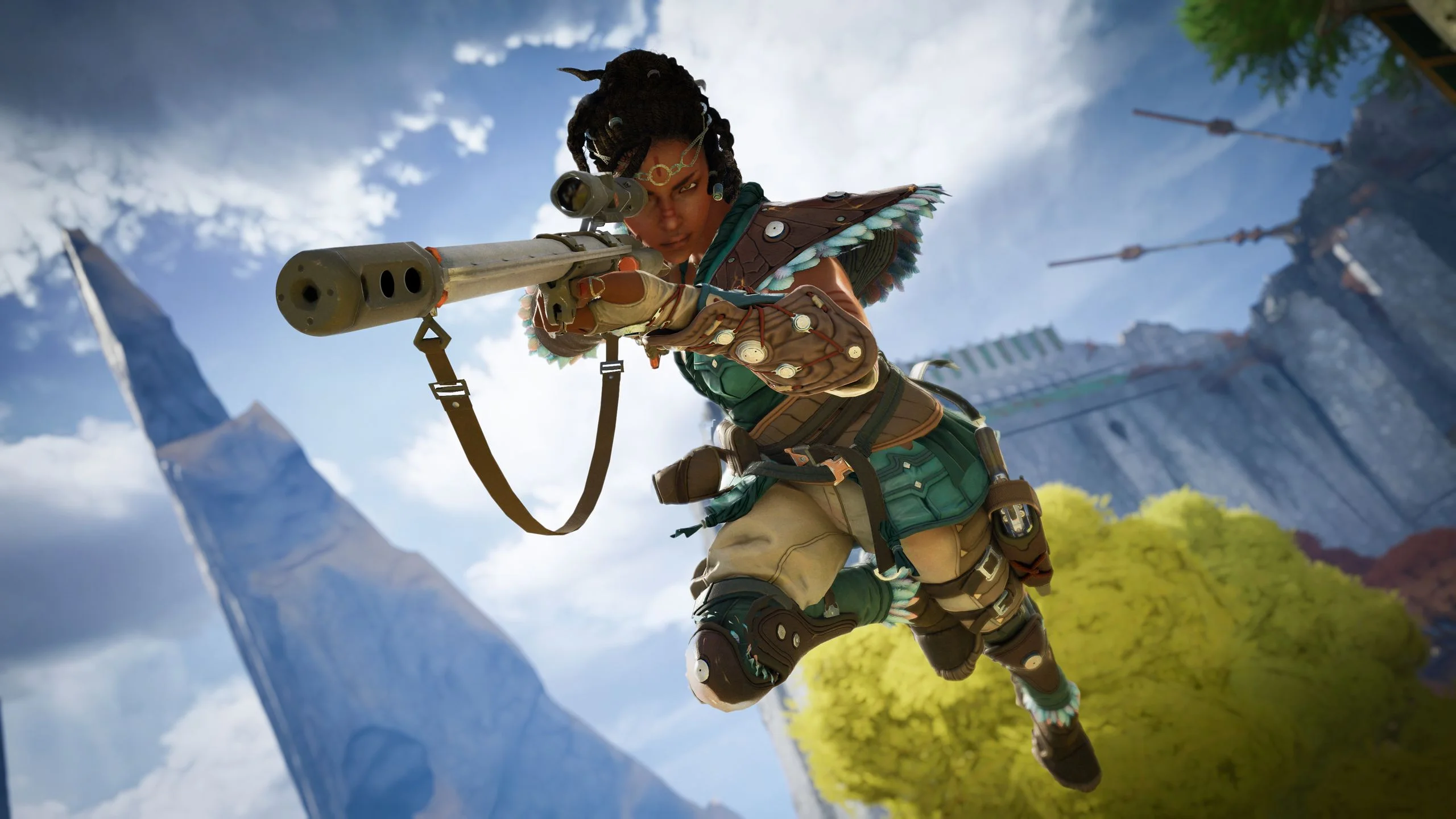
A Shadow Falls Over Highguard's Debut
The unveiling of the video game Highguard was met with immediate and significant backlash, a stark contrast to the internal optimism that pervaded its development. Former lead tech artist Josh Sobel has come forward, detailing a torrent of online abuse and negative commentary that he believes derailed the game from its announcement. This intense public scrutiny, characterized by what Sobel describes as "slander" and a coordinated effort to "turn [Highguard] into a joke," left developers emotionally taxed and contributed to a demonstrably poor launch, including a large volume of "review bombs" from players with minimal playtime. The stark divergence between internal confidence and external reception forms the crux of this unfolding narrative.
Timeline of Events and Key Players
Highguard, a project developed over two and a half years, saw its public debut at The Game Awards 2025. Internal feedback prior to this reveal was reportedly positive, with team members expressing strong confidence in the game's potential.
Read More: Steam Lets You Add PC Specs to Game Reviews
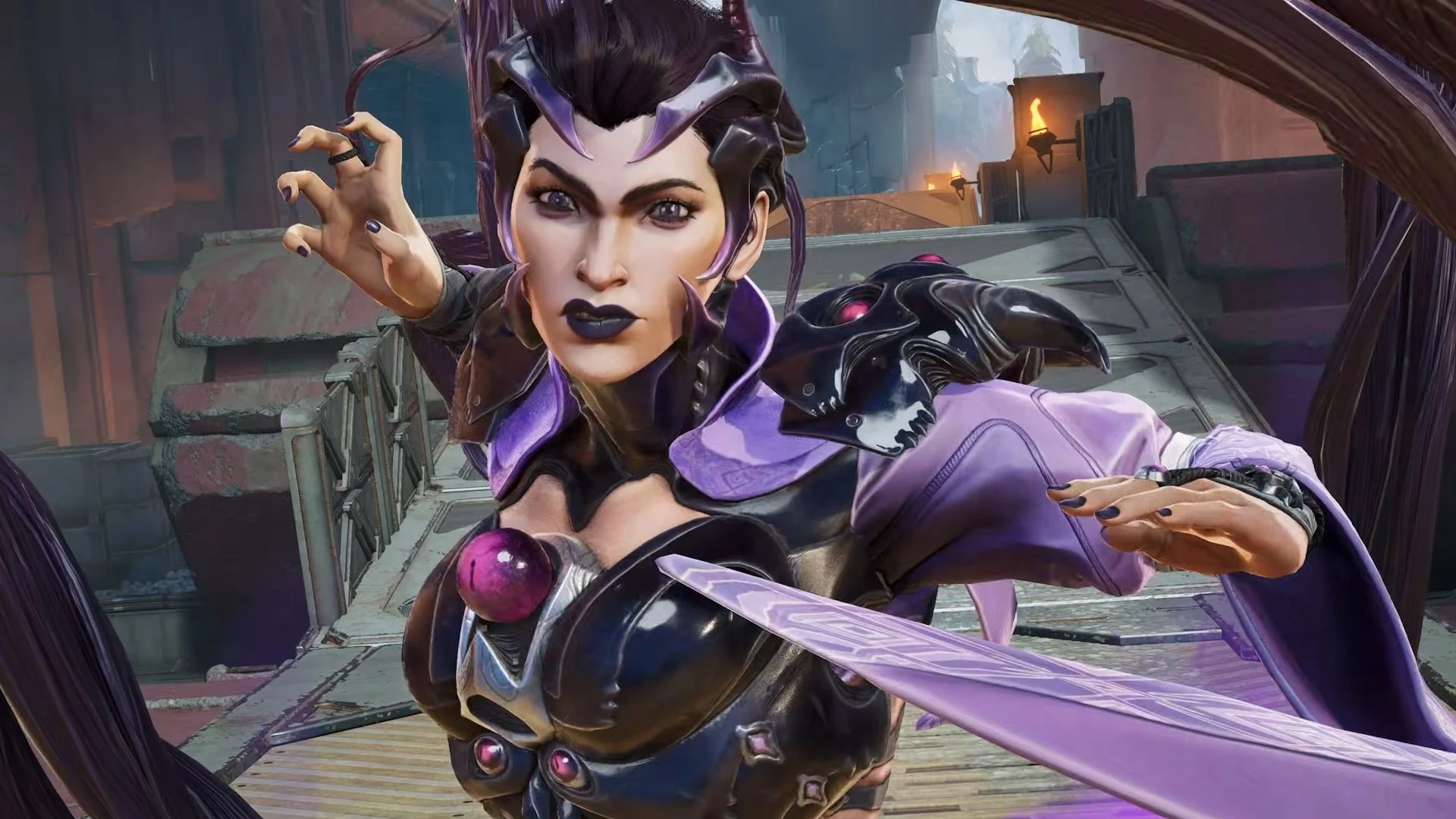
Pre-Reveal: Developers expressed immense optimism, with sentiments like "this is lightning in a bottle" and "there's no way this will flop" being common. Internal feedback was largely constructive and actionable.
The Game Awards 2025 Reveal: The trailer's debut marked a turning point. According to Josh Sobel, "it was all downhill from there."
Post-Reveal and Launch:
The game faced immediate and widespread negative reactions, including "dogpiling on the trailer" and downvotes on social media.
Josh Sobel reported receiving hate mail and content creators producing videos labeling him "cowardly" for temporarily setting his X profile to private.
Some commenters allegedly mocked Sobel's pride in the game and made disparaging remarks about his autism, linking it to perceptions of the game being "woke trash."
The game received over 14,000 review bombs from users with less than an hour of playtime.
Despite the developer's efforts, including addressing player feedback by making a 5v5 mode permanent after initial complaints about slow matches, the overall reception remained negative.
Sobel, along with other developers, was eventually laid off amid cuts at Wildlight Studios.
Evidence of Backlash and Developer Claims
Multiple reports corroborate the intense negative reaction Highguard faced.
Read More: Why is the new game called "Reanimal"?
Review Bombing: Sobel stated that over 14,000 review bombs were received from users with less than an hour of playtime.
Social Media Harassment: Sobel detailed receiving hate on X and experiencing content creators making videos about his "cowardice." Social media videos were consistently "downvoted to hell."
Content Creator Influence: Sobel attributed part of the negative reception to content creators, suggesting that negative coverage often generates more engagement. He noted that some creators publicly mocked him, drawing further harassment.
Internal Confidence vs. External Reaction: Sobel affirmed that prior to the trailer, there were no internal qualms. This stark contrast suggests an external shift in perception directly tied to the public reveal.
Marketing and Announcement Strategy: Some commentators debated the game's marketing, with suggestions that the studio might have paid for a prominent slot at The Game Awards, and that the host's hype may have contributed to expectations. A lack of public betas was also noted as a potential misstep.
The Impact of Online Discourse
The developers of Highguard experienced a significant and arguably disproportionate level of negative attention following the game's announcement.
Read More: New Dangers Online Need New Ways to Stay Safe
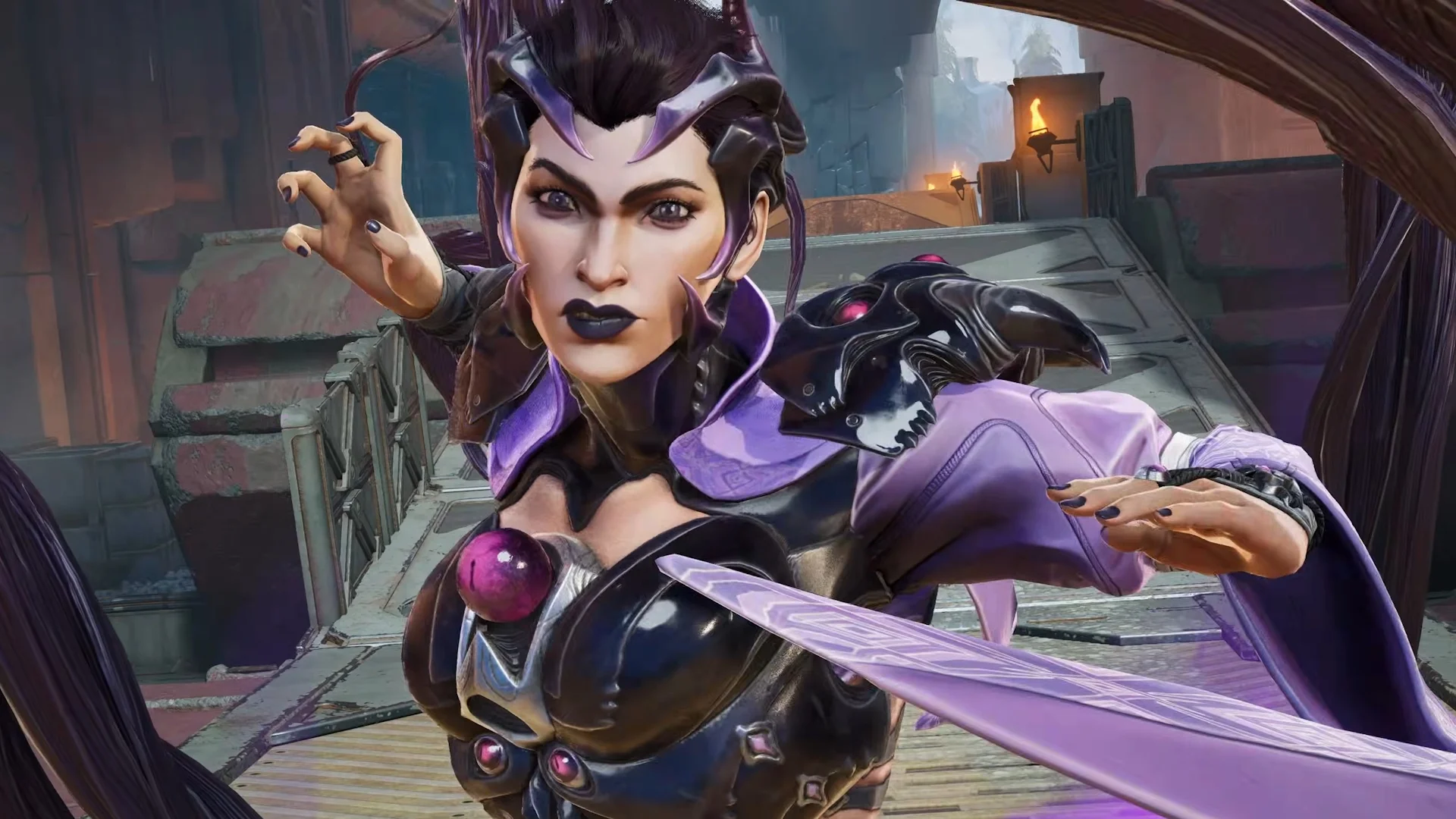
Targeted Harassment: Josh Sobel specifically described being personally attacked, with his autism being used as a basis for disparaging remarks about the game. This suggests a level of discourse that went beyond game mechanics or design.
"Dead on Arrival" Narrative: Sobel stated that the game was "turned into a joke from minute one" and that "within minutes, it was decided: this game was dead on arrival." This indicates a rapid and decisive negative judgment from the online community.
Slander and Disinformation: Sobel's use of the term "slander" suggests a belief that the negative discourse was not merely critical but involved deliberate misrepresentation or defamation of the game and its creators.
Developer Defense and External Support
In the wake of the intense backlash, some members of the game development community rallied in support of Highguard and its creators.
Read More: Highguard Game Launch Troubles and Studio Job Cuts Anger Developers
Industry Support: A number of "high-profile video game developers defended Highguard," emphasizing that "no game is perfect on day one." This indicates that within the industry, there was an understanding of the pressures and challenges of game development and launch.
"Silent Treatment" Justification: One perspective suggested that the developers' subsequent lack of active engagement with the internet could be understood as a response to the overwhelming negativity, positing, "It's hard to fault Highguard for giving the internet the silent treatment—wouldn't you?"
Underlying Perceptions and Criticisms
Beyond the developer's claims of "slander," other observations and criticisms surrounding Highguard's launch provide a broader context for the public's reaction.

Announcement Timing and Hype: The timing of the reveal at The Game Awards and the perceived hype generated by the host were cited by some as factors contributing to the immediate skepticism and subsequent backlash.
Marketing and Mystery: The game experienced a period of "radio silence" before a late marketing push, creating a "largely mysterious aura." This prolonged period of uncertainty may have fueled speculation and anticipation that was not met by the eventual reveal.
Lack of Public Betas: The decision not to conduct public betas was noted as a potential omission, preventing early player feedback and iteration before the official launch.
Analysis of Claims and Community Reaction
The narrative presented by Josh Sobel paints a picture of a development team blindsided by what they perceive as an unfair and malicious online campaign. His emphasis on "slander" and the personal nature of some attacks points to a belief that the criticism transcended legitimate critique.
Read More: New Apple AirTag Helps You Find Things Better
Conversely, the observations regarding the game's announcement strategy, marketing, and lack of public betas suggest that Highguard may have entered the public sphere with factors that, regardless of the development team's intent, contributed to a challenging reception. The sheer volume of review bombs, particularly from players with minimal playtime, indicates a significant disconnect between developer expectations and player engagement or satisfaction from the outset. The subsequent defense from other developers highlights the complexities of public perception in the gaming industry, where intense scrutiny can quickly overshadow a project.

Conclusion and Further Investigation
The public reception of Highguard appears to be a complex interplay of developer intent, marketing execution, and intense community reaction. Josh Sobel's detailed account provides a strong developer perspective, highlighting personal harassment and a perceived coordinated effort to damage the game's reputation. The evidence of review bombing and the influence of online discourse, particularly from content creators, supports the notion of a significant and immediate negative impact.
Read More: Baba Vanga's 2026 AI Predictions Not Proven
However, the broader context of the game's announcement strategy, marketing timeline, and the absence of public betas are factors that also warrant consideration in understanding the full scope of the situation. Whether the backlash was solely due to malicious "slander" or a combination of factors, including pre-launch perceptions and the game's eventual presentation, remains a subject for further examination.
The situation underscores the potent and often unforgiving nature of online communities in shaping the perception and commercial success of video game releases. The impact on the developers themselves, as evidenced by Sobel's testimony and subsequent layoffs, is a significant consequence that warrants acknowledgment.
Sources Used:
Polygon: https://www.polygon.com/highguard-developer-post-failure-gamer-slander/
Context: Detailed account of Josh Sobel's statements regarding the game's reception, internal optimism, and online harassment.
IGN: https://www.ign.com/articles/former-highguard-developer-reflects-on-disastrous-announcement-and-launch-we-were-turned-into-a-joke-from-minute-1
Context: Focuses on Josh Sobel's personal experiences with backlash, including commentary on his autism and the team's emotional toll.
Notebookcheck: https://www.notebookcheck.net/Highguard-dev-blames-content-creators-for-the-game-s-failure-It-was-dead-on-arrival.1225463.0.html
Context: Highlights Sobel's blame directed towards content creators and the online culture surrounding the launch.
GamesRadar: https://www.gamesradar.com/games/fps/theres-no-way-this-will-flop-laid-off-highguard-dev-says-internal-sentiment-was-sky-high-but-then-the-trailer-came-out-and-it-was-all-downhill-from-there/
Context: Provides detailed quotes about internal confidence and the abrupt shift in sentiment after the trailer reveal.
Eurogamer: https://www.eurogamer.net/highguard-developers-defend-as-complaints-pile-up
Context: Reports on other game developers coming to Highguard's defense, framing the situation within broader industry challenges.
PC Gamer: https://www.pcgamer.com/games/fps/highguard-game-awards-marketing/
Context: Discusses the game's marketing strategy, including the lack of public betas, and suggests the developers' subsequent quietude was understandable given the backlash.
LevelUpTalk: https://leveluptalk.com/news/highguard-gamers-worry-flop/
Context: Outlines the pre-launch skepticism and concern among gamers that Highguard might be a commercial failure.
nicholasmcmurray.substack.com: https://nicholasmcmurray.substack.com/p/highguard-backlash
Context: Explores the argument that Highguard's position as the final trailer at The Game Awards, and the associated hype, contributed to its negative reception.