Recent revelations point to Pakistan's Inter-Services Intelligence (ISI) using Chinese-manufactured surveillance equipment, specifically solar-powered CCTV cameras linked to the 'EseeCloud' platform, to gather live intelligence on Indian strategic assets. This alleged operation, spanning several months, involved nine devices reportedly installed near sensitive defense sites and armed police installations across Punjab, Haryana, Rajasthan, and Jammu and Kashmir.
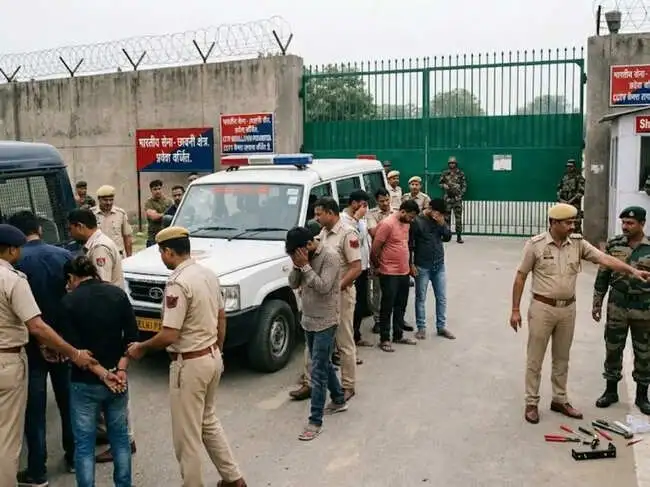
The uncovered network allowed the ISI to receive real-time visual feeds and information, raising significant national security concerns. The findings emerged from an ongoing investigation by the Delhi Police Special Cell, which recently apprehended six individuals—three each from Punjab and Delhi—accused of operating within an espionage module linked to the ISI and Babbar Khalsa International (BKI). Authorities recovered the nine EseeCloud cameras positioned near critical security and defense establishments bordering Pakistan. In response, the Indian government is implementing a new framework, effective from April, to bolster oversight and ensure strict adherence to security protocols for CCTV camera usage.
Read More: Acting DNI Pulte Fires Dozens of Intelligence Officials Starting Thursday

Audit of National CCTV Infrastructure Mandated
The extent of the alleged Pakistani espionage operation has prompted a nationwide audit of India's CCTV camera networks. This directive, issued by central agencies, follows the bust of a Pakistan-linked spy ring in Ghaziabad. The audit will scrutinize cameras across major cities, including Delhi and Mumbai, extending beyond high-security zones to cover arterial routes and strategic corridors. The goal is to bring all surveillance infrastructure under a more formalized oversight, addressing concerns that compromised CCTV systems could directly aid military operations.

The alleged modus operandi involved Pakistani-backed operatives recruiting Indian citizens to install covert, solar-powered cameras. These devices, streamed video over cellular networks, reportedly to handlers in Pakistan.
Broader Context: Technology and Cross-Border Tensions
This alleged surveillance operation is situated within a wider landscape of technological use in the ongoing India-Pakistan dynamic. Reports indicate that other groups, like The Resistance Front (TRF), a LeT proxy, have also utilized Chinese messaging apps and devices to communicate with Pakistan-based handlers and evade Indian intelligence.
Read More: Persian Numbers Radio Broadcasts V32 Raise Spy Speculation in Iran
Beyond surveillance, the cyber domain has also seen increased activity. Pro-India hacktivist groups have reportedly launched counterattacks against Pakistani targets, while dozens of pro-Pakistan hacktivist groups have claimed operations against Indian networks. This escalating digital skirmish highlights the multifaceted nature of the India-Pakistan conflict, extending into the realm of cyber warfare and espionage.
Background and Regulatory Landscape
India's CCTV ecosystem currently operates within a fragmented regulatory framework, lacking a single, definitive law directly governing surveillance infrastructure. The recent espionage revelations underscore the urgency to address these regulatory gaps. Meanwhile, concerns regarding surveillance hardware are not unique to India, pointing to a global challenge in securing digital infrastructure. This situation also arises amid broader geopolitical discussions about the competitiveness of Chinese military hardware against Western platforms, as noted in analyses of potential conflicts.