Service Members' Spiritual Landscape Narrows Under Hegseth Directive
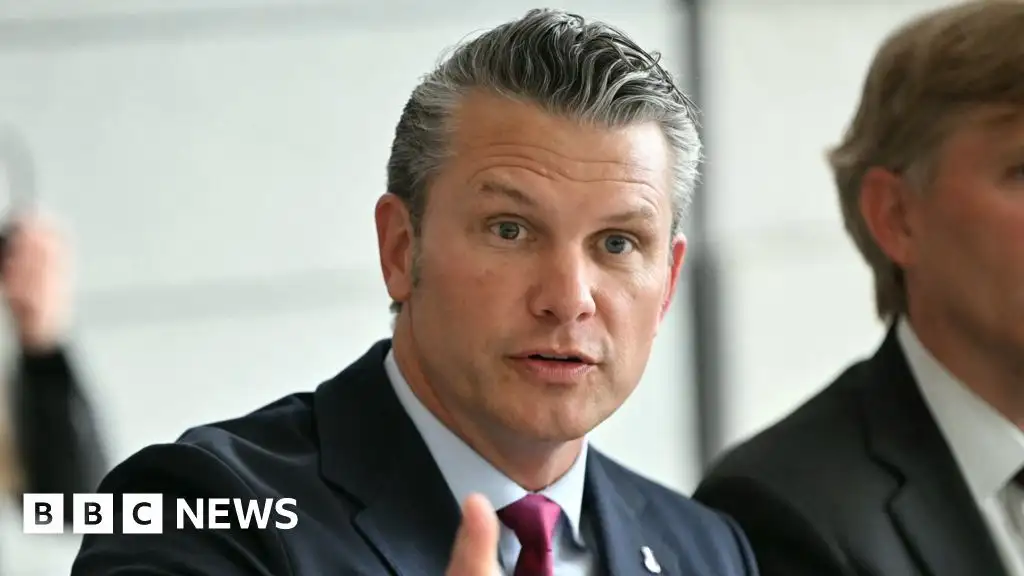
Defense Secretary Pete Hegseth has ordered the Pentagon to remove hundreds of religious traditions from its official list of recognized faiths. This move significantly curtails the spiritual options available to service members seeking chaplain support or accommodation. The directive, enacted recently, trims a sprawling roster of beliefs down to a core set, leaving many faiths unacknowledged by the military establishment.
The secretary’s action targets a broad spectrum of religious expressions. Details regarding the exact number of faiths purged or the specific criteria used for exclusion remain vague. The implications for service members whose beliefs fall outside the narrowed definition are unclear, raising questions about their ability to practice freely while in uniform.
Broader European Context: Hegseth's Rhetoric on 'Invasion'
This internal Pentagon decision unfolds against a backdrop of Hegseth’s recent public pronouncements. Speaking in France on the anniversary of D-Day, the Defense Secretary drew parallels between historical invasions and contemporary migration flows into Europe, labeling the latter an "invasion." This inflammatory language directed at European nations over their handling of migration underscores a hardline stance on border control and national identity.
Read More: Air Force Major Detained for Calling for President's Impeachment
Hegseth's critique of Europe's migration policies highlights a growing political emphasis on immigration as a key domestic and international issue. Reports indicate a surge in support for stricter immigration measures across the continent. The Trump administration, in parallel, has pursued an aggressive agenda on immigration enforcement, seeking substantial increases in funding for related agencies. The backdrop of the D-Day commemoration, a pivotal historical event involving large-scale troop landings, was used by Hegseth to frame his views on contemporary border challenges.